
Cessna P337H Aircraft in South Carolina
The Cessna P337H Pressurized Skymaster is a six-seat, twin-engine, pressurized piston aircraft with the unique push-pull centerline thrust configuration. Burning approximately 22 gallons per hour, the P337H adds pressurization to the Skymasters safe centerline thrust design. It appeals to pilots wanting twin-engine safety and pressurized comfort.
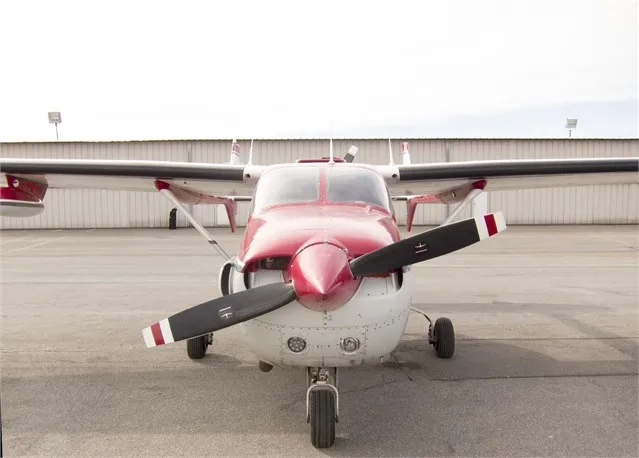
1 used Cessna P337H aircraft for sale in South Carolina · 6-seat · Reference price ~$180,000 ($100,000–$320,000) · updated 2026-06-22
Cessna P337H Specifications
Model specThe Cessna P337H is a 6-seat multi engine piston with a cruise speed of 170–185 kt (315–343 km/h), a range of 900–1,000 nm (1,667–1,852 km), and a useful load of 1,400 lbs (635 kg).
Cessna P337H for Sale
Cessna P337H asking prices range from $129,500 to $129,500, with a median of $129,500 (market reference $180,000).
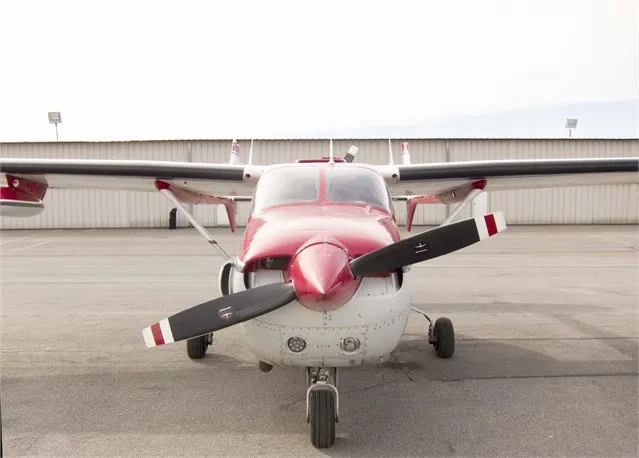
Cessna P337H Variants
| Variant | Years | Seats | Cruise | Range | Useful load | Price range | Best for | Listings for sale |
|---|---|---|---|---|---|---|---|---|
| 337 | 1965–1980 | 6 | 170 kts (315 km/h) | 900 nm (1,667 km) | 1,400 lbs (635 kg) | $99K – $160K | A unique push-pull centerline-thrust twin — for a buyer who wants twin redundancy with far easier engine-out handling than a conventional twin. | 8 |
| 337B | 1967–1968 | 6 | 170 kts (315 km/h) | 900 nm (1,667 km) | 1,400 lbs (635 kg) | — | A push-pull centerline-thrust twin — for a buyer who wants twin redundancy with far easier engine-out handling than a conventional twin. | 3 |
| 337G | 1973–1976 | 6 | 175 kts (324 km/h) | 900 nm (1,667 km) | 1,400 lbs (635 kg) | $110K – $174K | A late push-pull centerline-thrust twin — for a buyer who wants twin redundancy with far easier engine-out handling than a conventional twin. | 5 |
Compare Cessna P337H
Detailed comparisons for the Cessna P337H are being prepared.
Browse all Cessna models →Cessna P337H Price & Cost
How much does a Cessna P337H cost? Used P337H prices: from $129K; market reference $180K, across 1 priced of 1 active listings.
Key price factors: engine time to overhaul, year and airframe hours, avionics, damage history and logbook completeness — see the buying guide below for the full pre-purchase checklist.
The P337H's two TSIO-360s burn approximately 22 gph combined. Annual inspection covers both turbocharged engines and their systems, the pressurization system (seals, differential-pressure check, safety valve), and the push-pull drivetrain - among the most involved piston annuals outside heavy pressurized twins. TSIO-360 overhaul cost is moderate per engine, and pressurization seal replacement is a recurring item. Operating cost is appropriate to a pressurized twin and significantly exceeds single-engine alternatives at the same performance level.
Buying a Used Cessna P337H
Buying a Cessna P337H comes down to a focused pre-purchase checklist — here is what matters most on this model:
What to check before buying
Frequently Asked Questions — Cessna P337H
What is the Cessna P337H Skymaster?
What is special about the Skymaster's layout?
How much does a Cessna P337H cost?
What engines does the Cessna P337H use?
How many seats does the Cessna P337H have?
What is the difference between the 337 and the P337?
Is the Cessna P337H still in production?
Cessna P337H Inventory by Country
| United States | 2 |
Cessna P337H Inventory by State
| Florida | 3 |
| California | 2 |
| South Carolina | 2 |
Cessna P337H by Price
| Under $100k | 3 |
| Under $200k | 19 |
| Under $300k | 19 |
| Under $500k | 20 |
Cessna P337H by Decade
| 1970s | 1 |
Other Cessna Aircraft
| Cessna Citation III / VII | 26 |
| Cessna Citation II | 21 |
| Cessna Citation I | 11 |
| Cessna Caravan | 8 |
Cessna P337H Safety Record
Across all P337H variants, 13 NTSB-recorded events are on file from 1982–2023. As with any aircraft, most outcomes depend on pilot training, maintenance and operating conditions rather than the airframe itself.
13
Total Events
3
Incidents
1
Serious
4
Fatal
Most Recent Events
| Date | Location | Severity | Probable Cause |
|---|---|---|---|
| May 03, 2023 | Laurel, MT | Minor | A partial loss of engine power to the rear engine resulting from cylinder detonation for undetermined reasons, which res… |
| Feb 14, 2023 | Kona, HI | Minor | The failure of the pilot to recognize that the rear engine was not operating during takeoff, which resulted in an attemp… |
| Jul 14, 2022 | Monongahela, PA | Incident | The malfunction of the braking system fluid line, which resulted in an overrun of the runway. |
| Jun 24, 2013 | San Luis Obispo, CA | Fatal (1) | Loss of engine power from the rear engine for reasons that could not be determined because of the postimpact thermal dam… |
| May 30, 2012 | Jerome, ID | Incident | The pilot’s failure to extend the landing gear before landing. Contributing to the accident was the pilot's failure to u… |
NTSB records 1982–2023. Includes all Cessna P337H variants. Events ≠ aircraft fault.