
Cessna 170B Aircraft in South Carolina
The Cessna 170B is the improved variant of the Cessna 170, a four-seat, high-wing, tailwheel aircraft that preceded the ubiquitous 172 Skyhawk. Featuring a Continental C-145 engine and large flaps, the 170B burns approximately 8 gallons per hour and provides classic taildragger flying with practical four-seat utility. The B model introduced the larger rear window and improved flap design over the original 170. Its rugged construction, conventional gear, and high-wing visibility make it equally capable on paved runways, grass strips, and backcountry fields.
The Cessna 170B appeals to tailwheel enthusiasts, vintage aircraft lovers, and backcountry pilots who want an affordable, practical, four-seat airplane with genuine classic character. The type holds its value well due to strong demand from the tailwheel community and limited supply. The International Cessna 170 Association provides excellent resources, annual gatherings, and a welcoming community for owners. Well-maintained examples are prized possessions in the vintage aircraft world.
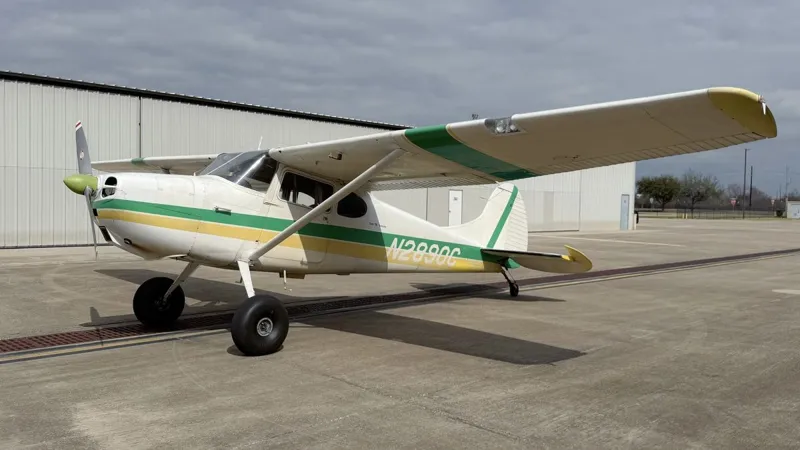
· 4-seat · Used median asking $110,000 · updated recently
Cessna 170B Specifications
Model specThe Cessna 170B is a 4-seat single engine piston with a cruise speed of 105 kt (194 km/h), a range of 500 nm (926 km), and a useful load of 900 lbs (408 kg).
Cessna 170B for Sale
Cessna 170B asking prices range from $89,900 to $206,700, with a median of $110,000 (market reference $95,000).
No Cessna 170B currently listed for sale.
This page updates automatically the moment one is listed — check back soon, or browse the Cessna range.
Cessna 170B Variants
| Variant | Years | Seats | Cruise | Range | Useful load | Price range | Best for | Listings for sale |
|---|---|---|---|---|---|---|---|---|
| 170 | 1948–1956 | 4 | 105 kts (194 km/h) | 500 nm (926 km) | 900 lbs (408 kg) | $70K – $195K | A classic four-seat taildragger — the tailwheel forerunner of the 172, for a buyer wanting vintage character and backcountry capability. | 9 |
Compare Cessna 170B
Detailed comparisons for the Cessna 170B are being prepared.
Browse all Cessna models →Cessna 170B Price & Cost
How much does a Cessna 170B cost? Used 170B prices: $89K – $206K, average $110K (median $110K); market reference $95K, across 9 priced of 0 active listings.
Key price factors: engine time to overhaul, year and airframe hours, avionics, damage history and logbook completeness — see the buying guide below for the full pre-purchase checklist.
The 170B's Continental O-300 is a smooth six-cylinder but a vintage engine - overhaul cost and time-since-overhaul are the leading budget items, with parts support good but not cheap. Fuel burn runs around 8-9 gph. The dominant ownership variable on a 70-year-old airframe is condition: corrosion inspection (spar carry-through, floorboards), control-surface and skin condition, and the quality of any prior restoration matter far more than the low acquisition price. A well-restored, documented 170B costs more up front and less over time than a tired example.
Buying a Used Cessna 170B
Buying a Cessna 170B comes down to a focused pre-purchase checklist — here is what matters most on this model:
What to check before buying
Frequently Asked Questions — Cessna 170B
About the Cessna 170B
Why does the all-metal wing matter?
What to inspect on a used 170B?
170B vs 172 — taildragger or nosewheel?
Is the 170B well-supported?
Cessna 170B Inventory by Country
| United States | 11 |
| Canada | 1 |
Cessna 170B Inventory by State
| California | 3 |
| Oregon | 2 |
| South Carolina | 2 |
Cessna 170B by Price
| Under $100k | 7 |
| Under $200k | 21 |
| Under $300k | 22 |
| Under $500k | 23 |
Other Cessna Aircraft
| Cessna Citation III / VII | 26 |
| Cessna Citation II | 21 |
| Cessna Citation I | 12 |
| Cessna Caravan | 8 |
Cessna 170B Safety Record
Across all 170B variants, 405 NTSB-recorded events are on file from 1982–2025. As with any aircraft, most outcomes depend on pilot training, maintenance and operating conditions rather than the airframe itself.
405
Total Events
311
Incidents
26
Serious
29
Fatal
Most Recent Events
| Date | Location | Severity | Probable Cause |
|---|---|---|---|
| Aug 25, 2025 | Knoxville, TN | Incident | The pilot’s failure to maintain directional control during landing roll in a crosswind, which resulted in a runway excur… |
| Aug 23, 2025 | Livermore Falls, ME | Incident | — |
| Jul 20, 2025 | Faith, SD | Incident | The pilot's failure to maintain directional control during the landing roll with crosswind. |
| Jul 09, 2025 | Homer, AK | Incident | The pilot’s failure to maintain directional control during landing, which resulted in a ground loop. |
| Jun 25, 2025 | Denali Park, AK | Incident | The failure of the left main landing gear spring due to a fatigue fracture during landing on uneven terrain. |
NTSB records 1982–2025. Includes all Cessna 170B variants. Events ≠ aircraft fault.