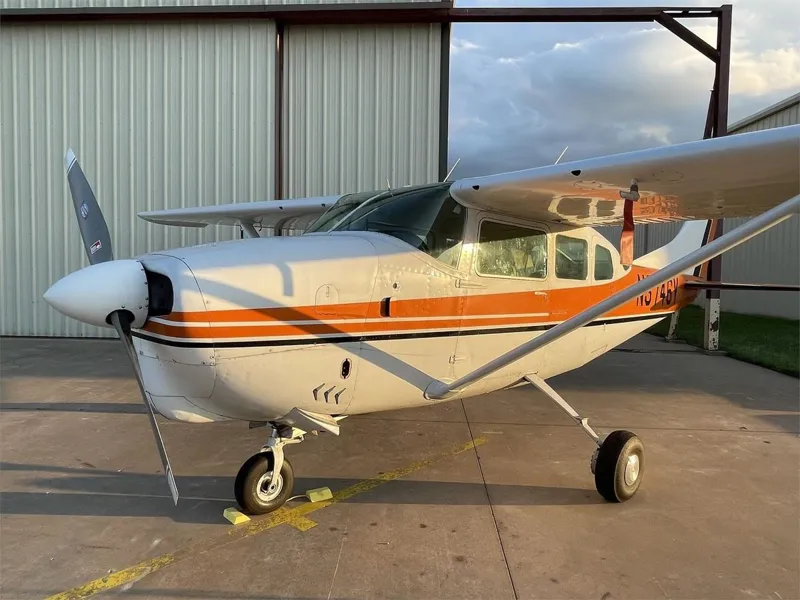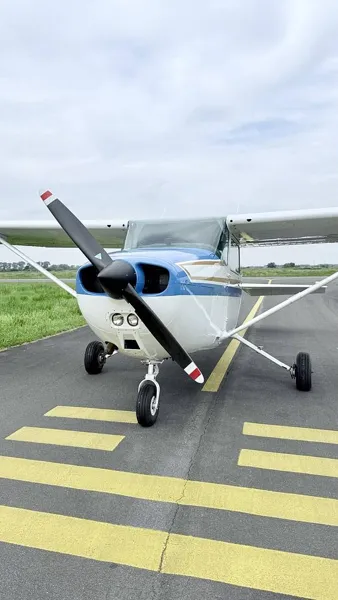
1980 Cessna 172 Skyhawk P 2xG5
Single Engine Piston
Aircraft Details
Seller reportedAvionics & Equipment
Description
Cessna 172P with Garmin Upgrade Low-Time Engine This Cessna 172P is an exceptionally well-equipped example of one of the world's most successful four- seat touring aircraft. Combining the legendary reliability of the Lycoming O-320-D2J engine with a professionally designed Garmin glass cockpit, this aircraft offers an outstanding ownership experience for private pilots, touring enthusiasts and flight schools alike. The 172P is widely regarded as one of the most desirable carbureted Skyhawk models. Compared to the earlier 172N, it benefits from the increased Maximum Take-Off Weight of 2,400 lbs (1,089 kg) while retaining excellent handling characteristics. With a useful load of approximately 400 kg, D-EDDB offers outstanding operational flexibility for four-seat touring. Unlike many earlier 172 aircraft, this Skyhawk is powered by the proven Lycoming O-320-D2J, avoiding the H2AD engine and its single dual-magneto ignition system. The O-320-D2J is renowned for reliability, straightforward maintenance and excellent parts availability. A major highlight is the custom-made laser-cut aluminium instrument panel with flush-mounted Dual Garmin G5 instruments and a Garmin Aera 760 in an AirGizmo panel mount. The heavy vacuum system has been completely eliminated, reducing maintenance while improving reliability. The aircraft has always been maintained by certified maintenance organisations and has never been maintained under Pilot/Owner Maintenance. Cruise performance is approximately 115 KTAS with a fuel burn of around 34 36 L/h. Fresh 100-hour Inspection, Annual Inspection and ARC completed. Ready to fly. Airplane time state: Registration: D-EDDB Year: 1980 Serial Number: 74499 Total Time: 7,819 hours (still flying) Annual / ARC: Fresh 100h/Annual Inspection ARC valid until 06/2027 Home Base: EDWF - Northern Germany Engine: Lycoming O-320-D2J 983 hours since Major Overhaul (2,000-hour TBO) Overhauled in March 2017 (12-year calendar TBO) Sky-Tec lightweight starter Runs smoothly; all cylinder compressions above 70/80. Propeller: McCauley 1C160/DTM 983 hours since overhaul
Engine
1 Engine, Piston
Description and equipment details provided by the seller. AeroGurus does not verify seller-provided information.
Price Comparison
| Source | Price | Location | Listed | Days on Market | Status | Action |
|---|---|---|---|---|---|---|
|
Listing Source
globalplanesearch.com
|
Call for Price
|
— | Jul 07, 2026 | 14 days | Active |
Estimate Monthly Payment
Cessna 172 Skyhawk P 2xG5 loan calculator

AeroGurus Data & Analysis
Independent data from FAA, NTSB, and market analysis
About This Cessna 172 Skyhawk P 2xG5
This 1980 Cessna 172 Skyhawk P 2xG5 (D-EDDB) is a 4-seat single engine piston .
The 172 Skyhawk P 2xG5 cruises at 122 kts (226 km/h) with a range of 585 nm (1,083 km) — ideal for short hops and local flights. Service ceiling of 14,000 ft allows operation above most weather.
Operating costs: Fuel burn is 8.5 GPH (32 L/h), which at current 100LL avgas prices (~$6.20/gal) means approximately $53/hr in fuel alone.
NTSB records show 0 incidents for this airframe — a clean safety record.
Pre-Purchase Checklist
Cessna 172 Skyhawk P 2xG5 — Model Specs
Model specificationStandard specs for this model. Actual aircraft may differ.
Estimated Cost of Ownership
AeroGurus estimateCESSNA 172 O-320 160hp
AeroGurus estimates based on industry averages for the CESSNA 172 O-320 160hp. Actual costs vary by location, usage, maintenance history, and configuration. Not a financial quote.
Ownership & Registration
FAA registry covers US-registered aircraft (N-numbers).
This aircraft (D-EDDB) is registered outside the US.
Location & Ownership
Aircraft Location
Location not available
Title Status
No FAA title records
Available for US-registered aircraft only
Source: FAA Aircraft Registry, FAA Civil Aviation Registry (DocIndex). Title data may be delayed. Always verify with an aviation attorney before purchase.
Safety Record
NTSB safety data coming soon.
We'll check D-EDDB against the NTSB accident database.
Similar Aircraft for Sale