
Cessna 401 Aircraft

The Cessna 401 is an eight-seat cabin-class piston twin - two turbocharged TSIO-520 engines, the executive sibling of the near-identical 402 that launched Cessna's light-twin line.
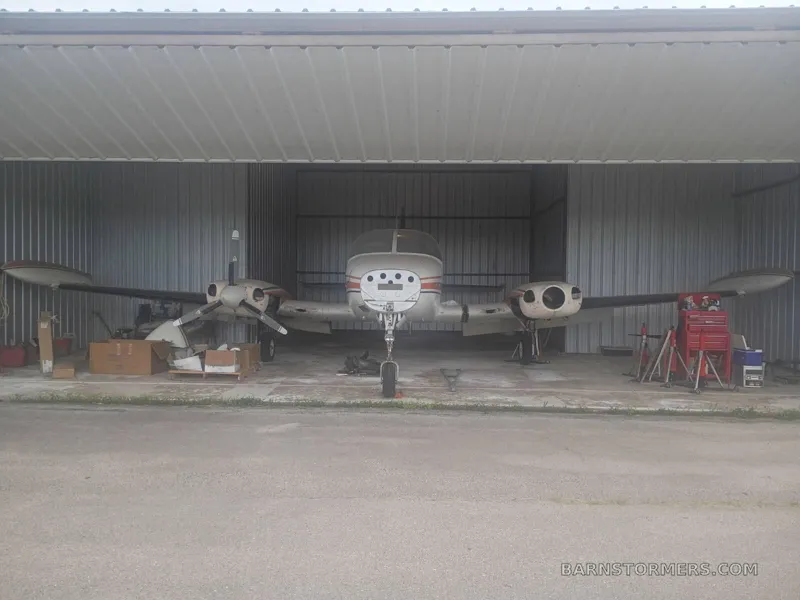
Cessna 401 aircraft for sale

· 8-seat · Reference price ~$170,000 ($90,000–$300,000) · updated 10 hours ago

Cessna 401 Specifications

Model spec

The Cessna 401 is a 8-seat multi engine piston with a cruise speed of 210 kt (389 km/h), a range of 1,000 nm (1,852 km), and a useful load of 2,200 lbs (998 kg).

Performance
Cruise210 kt (389 km/h)
Max Speed225 kt (417 km/h)
Range1,000 nm (1,852 km)
Service Ceiling26,000 ft (7,925 m)
Engine & Fuel
EngineCONTINENTAL TSIO-520-VB
Horsepower300 HP
Fuel Capacity102.0 gal (386 L)
Fuel Burn38.0 GPH (144 L/h)
TBO1,400 hrs
ICAO TypeC402
Weights & Seats
Seats8
Max Gross Weight6,300 lbs (2,858 kg)
Useful Load2,200 lbs (998 kg)
Production1970–1984

Cessna 401 for Sale

$49,000
Project
Total Time 5,700
Reg# N401AK US
Location Galesburg, Illinois
Listed 11d ago

Compare Cessna 401

Detailed comparisons for the Cessna 401 are being prepared.

Browse all Cessna models →

Cessna 401 Price & Cost

Cessna 401 Price Guide

Key price factors: engine time to overhaul, year and airframe hours, avionics, damage history and logbook completeness — see the buying guide below for the full pre-purchase checklist.

Cessna 401 Cost of Ownership estimate
Fuel (38.0 GPH × $6.20, 100 hrs)$23,560/yr
Annual Fixed (hangar, insurance, annual)$35,000/yr
Variable (per hour)$390/hr
Engine Overhaul (every 1,400 hrs)$48,000
Estimates at 100 flight hours/year. Actual costs vary by usage, location and insurance.

The 401's two turbocharged Continental TSIO-520 engines are the dominant operating cost - two overhauls, two turbo and exhaust systems, doubled accessory work, and combined fuel burn around 30 gph. Retractable gear and a cabin-class airframe add maintenance, and insurance reflects the multi-engine cabin-class category. Both engines' condition and turbo health lead the pre-buy; corrosion on commercially operated aircraft is a key variable.

Buying a Used Cessna 401

Buying a Cessna 401 comes down to a focused pre-purchase checklist — here is what matters most on this model:

What to check before buying

The Cessna 401 is an eight-seat twin-engine piston aircraft - the executive-oriented sibling of the near-identical 402, powered by two turbocharged Continental TSIO-520 engines (about 300 hp each) with roughly 200 knots cruise. Built in the late 1960s and early 1970s, it and the 402 launched Cessna's cabin-class light-twin line.

401 versus 402. The 401 and 402 share the same airframe and engines; the difference is configuration and role - the 401 was marketed toward executive and corporate use, the 402 toward commuter and cargo operations. In practice the used market treats them similarly, and buyers should evaluate individual condition and equipment rather than the number.

Cabin-class twin ownership. Two turbocharged engines, retractable gear, and a cabin-class airframe mean higher maintenance than a single or a light twin. Both engines' condition, turbo and exhaust health, and the gear system are the primary pre-buy items, along with corrosion on aircraft with commercial histories.

Buy it if you need a cabin-class, eight-seat twin for business or utility transport, hold a multi-engine rating, and can sustain the operating economics of two turbocharged Continental engines.

Frequently Asked Questions — Cessna 401

What is the Cessna 401?
The Cessna 401 is an unpressurized light twin produced in the late 1960s to early 1970s, powered by two turbocharged Continental TSIO-520 engines (300 hp each) and seating six to eight. It shares its airframe and engines with the closely related Cessna 402 — the two differ mainly in interior configuration and intended role (the 401 was marketed for executive use, the 402 for commuter/cargo utility).
401 vs 402 — what's the difference?
The 401 and 402 are essentially the same airframe with the same turbocharged TSIO-520 engines; the differences are interior fit and marketing role rather than fundamental capability. The 402 (Businessliner/Utililiner) continued in production much longer and is far more common. For a buyer, the 402 — especially the later 402C with its wet wing — generally offers better support and parts availability than the short-run 401.
What should I inspect on a used Cessna 401?
Both turbocharged TSIO-520 engines (compression, turbocharger condition, fuel injection, TBO — tracked independently), the retractable landing gear, fuel-bladder condition, and corrosion on a 50-year-old twin. Given the small 401 fleet, confirm parts availability — most components are shared with the 402 family. Full logbooks for both engines are essential.
Is the Cessna 401 a good buy?
For a buyer who finds a well-maintained example at a low acquisition cost and accepts the small fleet, the 401 delivers cabin-class twin capability. In practice, the more numerous 402 is usually the smarter buy — the same basic aircraft with deeper support. Buy the 401 on condition and engine status, and verify parts sourcing through the 402 community.
Disclaimer: All prices, cost estimates, and market values shown are based on asking prices from third-party sources and are provided for informational purposes only. AeroGurus is not an appraiser, broker, or financial advisor. Always obtain a professional appraisal and independent inspection before making a purchase decision.
Listings last refreshed 10 hours ago · Data: FAA Registry, NTSB · About our data