
Cessna 337E Aircraft (Super Skymaster)
The Cessna 337E is a member of the 337 Skymaster family — Cessna's unique push-pull centerline-thrust twin, with one engine in the nose and one in the tail on twin booms. This layout puts both engines on the centerline rather than the wings, removing the asymmetric-thrust handling of a conventional twin if one engine fails. See the live price range and median above for the Cessna 337E and Skymaster listings currently on the market.
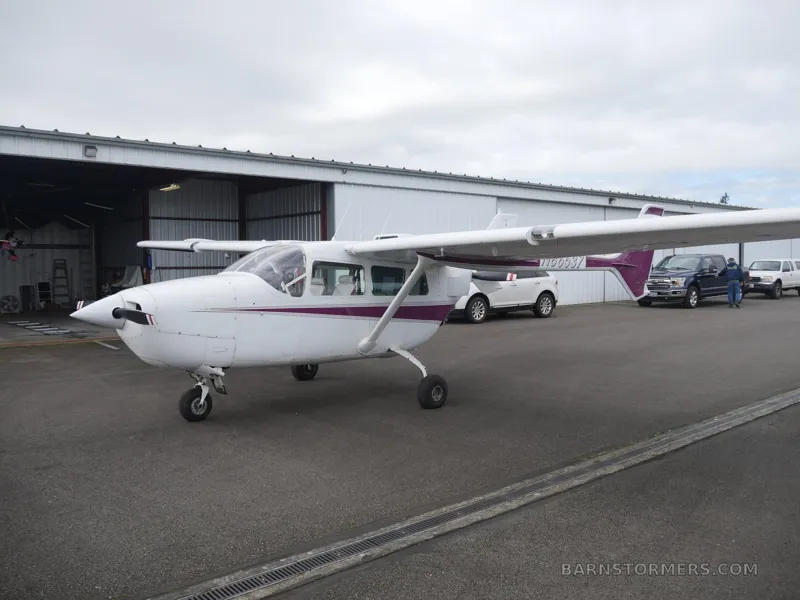
· 6-seat · Reference price ~$160,000 ($90,000–$280,000) · updated recently
Cessna 337E Specifications
Model specThe Cessna 337E is a 6-seat multi engine piston with a cruise speed of 170–185 kt (315–343 km/h), a range of 900–1,000 nm (1,667–1,852 km), and a useful load of 1,400 lbs (635 kg).
Cessna 337E for Sale
No Cessna 337E currently listed for sale.
This page updates automatically the moment one is listed — check back soon, or browse the Cessna range.
Cessna 337E Variants
| Variant | Years | Seats | Cruise | Range | Useful load | Price range | Best for | Listings for sale |
|---|---|---|---|---|---|---|---|---|
| 337 | 1965–1980 | 6 | 170 kts (315 km/h) | 900 nm (1,667 km) | 1,400 lbs (635 kg) | $99K – $160K | A unique push-pull centerline-thrust twin — for a buyer who wants twin redundancy with far easier engine-out handling than a conventional twin. | 8 |
| 337B | 1967–1968 | 6 | 170 kts (315 km/h) | 900 nm (1,667 km) | 1,400 lbs (635 kg) | — | A push-pull centerline-thrust twin — for a buyer who wants twin redundancy with far easier engine-out handling than a conventional twin. | 3 |
| 337G | 1973–1976 | 6 | 175 kts (324 km/h) | 900 nm (1,667 km) | 1,400 lbs (635 kg) | $110K – $174K | A late push-pull centerline-thrust twin — for a buyer who wants twin redundancy with far easier engine-out handling than a conventional twin. | 5 |
| P337H | 1979–1984 | 6 | 185 kts (343 km/h) | 1,000 nm (1,852 km) | 1,400 lbs (635 kg) | — | A pressurised push-pull centerline-thrust twin — for a buyer who wants a pressurised cabin with the Skymaster's easier engine-out handling. | 1 |
Compare Cessna 337E
Detailed comparisons for the Cessna 337E are being prepared.
Browse all Cessna models →Cessna 337E Price & Cost
Key price factors: engine time to overhaul, year and airframe hours, avionics, damage history and logbook completeness — see the buying guide below for the full pre-purchase checklist.
The 337E's two IO-360s burn approximately 22 gph combined - twin-engine cost at light-twin fuel burn. Both engines and their systems are inspected at annual, roughly doubling the engine-related inspection cost versus a single. IO-360 parts are available and well-supported. The fixed-gear push-pull configuration is simpler than a retractable twin, reducing gear-system maintenance. Two-engine operating cost is the primary premium over single-engine alternatives.
Buying a Used Cessna 337E
Buying a Cessna 337E comes down to a focused pre-purchase checklist — here is what matters most on this model:
What to check before buying
Frequently Asked Questions — Cessna 337E
What is the Cessna 337E Skymaster?
What is special about the Skymaster's layout?
How much does a Cessna 337E cost?
What engines does the Cessna 337E use?
How many seats does the Cessna 337E have?
Is the Cessna 337 a good twin?
Is the Cessna 337E still in production?
Cessna 337E Inventory by State
| Florida | 3 |
| California | 2 |
| South Carolina | 2 |
Cessna 337E by Price
| Under $100k | 3 |
| Under $200k | 19 |
| Under $300k | 19 |
| Under $500k | 20 |
Recently Sold Cessna 337E
| 1970 337E | $99,900 |
Other Cessna Aircraft
| Cessna Citation III / VII | 26 |
| Cessna Citation II | 21 |
| Cessna Citation I | 11 |
| Cessna Caravan | 8 |
Cessna 337E Safety Record
Across all 337E variants, 5 NTSB-recorded events are on file from 1984–1988. As with any aircraft, most outcomes depend on pilot training, maintenance and operating conditions rather than the airframe itself.
5
Total Events
2
Incidents
1
Serious
1
Fatal
Most Recent Events
| Date | Location | Severity | Probable Cause |
|---|---|---|---|
| Nov 13, 1988 | KAHULUI, HI | Incident | — |
| Feb 02, 1988 | FRIEDENS, PA | Fatal (1) | — |
| May 08, 1987 | SAN JUAN, PR | Serious | — |
| Mar 08, 1987 | NEW SMYRNA BCH, FL | Incident | — |
| Mar 26, 1984 | TIFTON, GA | Minor | — |
NTSB records 1984–1988. Includes all Cessna 337E variants. Events ≠ aircraft fault.