
Cessna 210 vs Cessna P210
The Cessna 210 Centurion and the Cessna P210 Pressurized Centurion share an airframe and a name, but the P210's pressurization system reframes the aircraft's entire mission envelope. The Cessna 210 (1957–1986) became one of the most successful high-performance singles in general aviation — retractable gear, a cantilever wing from the 210G onward, and Continental IO-520 power producing genuine 165–175 kt cruise in a six-seat cabin. The P210 (1978–1986) added a turbocharger and full cabin pressurization to that airframe: a Continental TSIO-520 engine, a cabin pressurized to approximately 3.5 psi differential, and the ability to cruise above the weather at FL200–FL230 in a shirtsleeve environment without supplemental oxygen. The cross-shop is the oldest trade in pressurized aircraft: is the maintenance overhead of pressurization worth the altitude performance?
Live Market Snapshot
Current asking-price market, aggregated across multiple marketplaces · refreshed daily
- For sale now
- 177
- Median asking
- $249,750
- Range
- $90,200–$695,000
- Model years available
- 1960–2021
- For sale now
- 25
- Median asking
- $557,500
- Range
- $207,750–$956,175
- Model years available
- 1978–1982
Live data from AeroGurus, aggregated daily across the used-aircraft market. Figures are current asking prices, not appraisals — confirm with a pre-buy inspection.
Generations Breakdown
Per-generation specs — engine/weight/performance differ materially across production eras.
Per-era “For sale” counts exclude listings with unspecified year and separate variants (RG retractable, Hawk XP), so they may not sum to the total above.
Cessna 210 — 4 generations
| Generation | Years | Engine | MTOW | Cruise | Range | For sale |
|---|---|---|---|---|---|---|
| 210 IO-470 (260hp) | 1960–1963 | IO-470-E | 2900 | 160 | 700 | 30 |
| 210 IO-520 (NA) | 1964–1986 | IO-520-A/L | 3800 | 171 | 900 | 51 |
| T210 Turbo | 1966–1986 | TSIO-520-R | 3800 | 193 | 950 | 58 |
| P210 Pressurized | 1978–1986 | TSIO-520-P | 4000 | 200 | 1000 | 59 |
Cessna P210 — 0 generations
| Generation | Years | Engine | MTOW | Cruise | Range | For sale |
|---|
Safety Record
Absolute counts scale with fleet size — the most-produced types log more events without being less safe. Compare the % fatal.
| NTSB (1982–now) | Cessna 210 | Cessna P210 |
|---|---|---|
| All events | 819 | 257 |
| Serious | 64 | 39 |
| Fatal | 192 | 73 |
| Fatalities | 413 | 152 |
| % Fatal | 23% | 28% |
Full Specs Comparison
| Spec / Model | Cessna 210 | Cessna P210 |
|---|---|---|
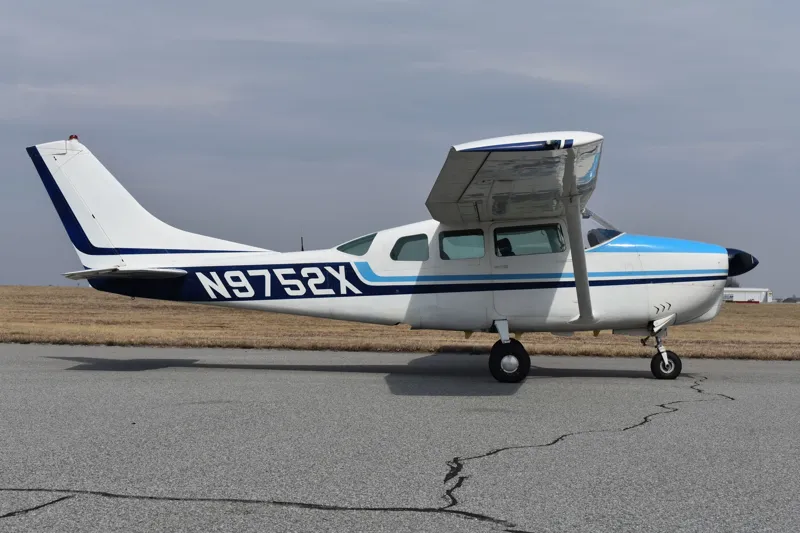
|
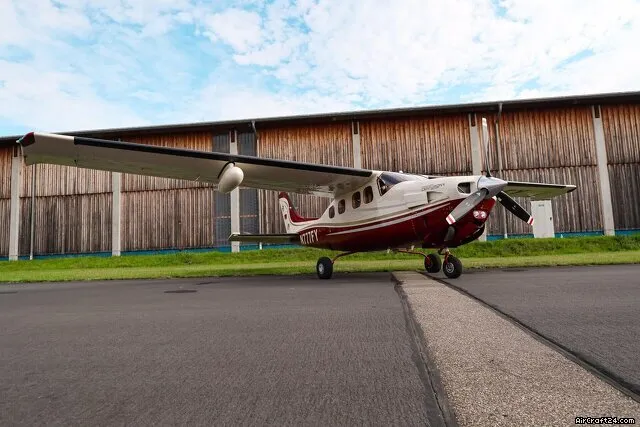
|
|
| Price Range | $90,200 – $695,000 | $207,750 – $956,175 |
| Category | Single Engine Piston | Single Engine Piston |
| Model Specifications | ||
| Seats | 6 | 6 |
| Horsepower | 260–325 HP | 310 HP |
| Cruise Speed | 160–200 kts (370 km/h) | 180 kts (333 km/h) |
| Range | 700–1,000 nm (1,852 km) | 850 nm (1,574 km) |
| Service Ceiling | 17,300 ft (5,273 m) | 23,000 ft (7,010 m) |
| Max Gross Weight | 2900–4,000 lbs (1,814 kg) | 4,000 lbs (1,814 kg) |
| Useful Load | 1,310 lbs (594 kg) | 1,200 lbs (544 kg) |
| Fuel Capacity | 90.0 gal (341 L) | 90.0 gal (341 L) |
| Fuel Burn | 14.5 GPH (55 L/h) | 16.0 GPH (61 L/h) |
| TBO | 1,700 hrs | 1,800 hrs |
| Overhaul Cost | $35,000 | $35,000 |
| Annual Fixed | $22,000 | $22,000 |
| Hourly Variable | $175 | $190 |
| Engines | 1 x Piston | 1 x Piston (Turbocharged) |
Cost of Ownership
EstimateCessna 210
Cessna P210
Which Should You Buy: Cessna 210 or Cessna P210?
Bottom line: Choose the Cessna 210 Centurion for lower acquisition cost, simpler systems, and a larger mechanic base — the normally aspirated 210 with a sound Continental IO-520 is a well-understood airplane that any competent GA shop can maintain. For missions at or below 12,000 feet and under 400 nm, the 210 does everything the P210 does at lower total cost of ownership. Choose the Cessna P210 when cabin altitude management is the deciding factor — flying FL200 with a comfortable cabin eliminates hypoxia risk, oxygen cylinder logistics, and the judgment degradation that affects unprotected occupants at altitude. For serious IFR operators who routinely fly above icing layers or in winter weather, the P210's altitude access is a genuine operational advantage. Safety axis: hypoxia is insidious above 10,000 feet — it impairs judgment before the pilot recognizes it. An unpressurized 210 at FL180 with supplemental oxygen managed imperfectly places the pilot in a physiologically degraded state. The P210 removes this variable by design: the cabin stays at a comfortable altitude regardless of where the aircraft flies.
Pick the 210 if…
- Budget matters — from $90,200 vs $207,750, you save ~$117,550.
- Lower operating cost — ~$175/hr vs $190/hr.
- More inventory — 31 listings vs 13.
Pick the P210 if…
- Faster cruise — 180 kts vs 160 kts.
- Longer range — 850 nm vs 700 nm.
- Newer design — production from 1978 vs 1960.
Auto-generated from current market data and published specs. Confirm with a pre-buy inspection and professional appraisal.