
1974 CESSNA 337G SOLD
No longer listed as of March 2026. The price below is the last asking price — the final sale price is not disclosed.
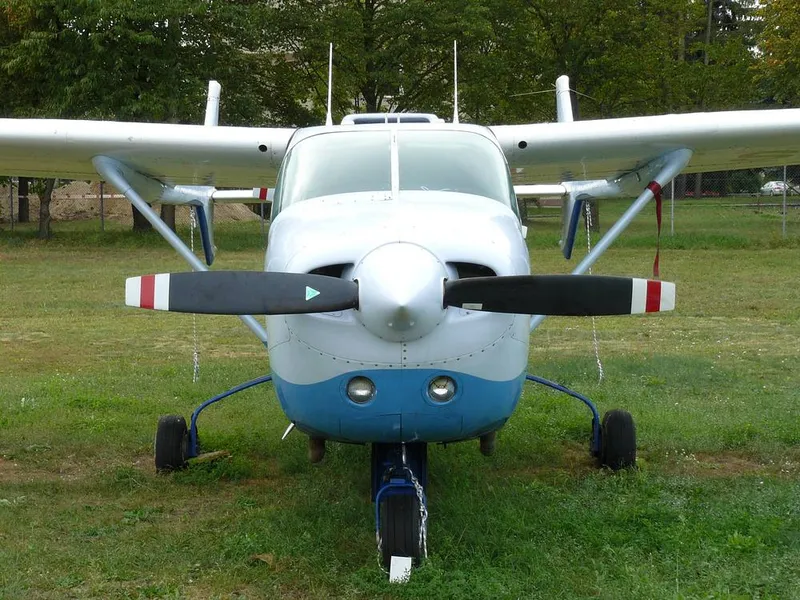
SOLD · Mar 2026
Call for Price
- Year
- 1974
- Make
- Cessna
- Model
- 337G
- Total Time
- 3,233 hr
- Location
- Private, Poland
- Seller
- Garmin Avionics
- Source
- globalplanesearch.com
Listing closed
View similar 337G for sale →
Performance & Capacity
- Seats
- 6
- Cruise
- 175 kts
- Max Speed
- 142 kts
- Range
- 900 nm
- Useful Load
- 1,400 lbs
- Burn
- 18.0 gph
- Engines
- 2 · Reciprocating
- Power
- 210 hp
- MTOW
- 12,500 lbs
- ICAO Type
- C337
Manufacturer-published specs for the Cessna 337G model. Actual aircraft may vary by configuration / modifications.
Operating Cost (est.)
- Hourly Variable
- $260
- Annual Fixed
- $25,000
- Engine Overhaul
- $25,000
- TBO
- 1,500 hrs
AeroGurus estimates based on industry averages for the Cessna 337G. Actual costs vary by location, usage, maintenance history, and configuration.
Market price band
Cessna 337G typical:
$110,000 – $174,900
median $111,999
across 7 active listings
Description
Aerosix AG - Broker. Our client has for sale this great and fast airplane. Very well-equipped aircraft after a major overhaul in 2004, during which the highest-quality materials were used. The aircraft has been used exclusively for private purposes and has never been used for training. A safe and excellent twin-engine aircraft to fly. Our Client have a complete set of documents with the full history of the aircraft. Airplane time state: TTAF: 3233h Reims Aviation / Cessna Textron Engines 2x Teledyne Continental IO-360-GB (New Injection Gami) Propellers 2x McCauley (hot Prop) There are still many flight hours remaining on the engines and propellers.
About the Cessna 337G
The Cessna 337G Skymaster is a six-seat, twin-engine piston aircraft with the unique push-pull centerline thrust configuration. Burning approximately 18 gallons per hour total, the 337G eliminates asymmetric thrust hazards in an engine failure, making it the safest conventional twin for single-engine operations. It appeals to practical pilots who value twin-engine safety without the complexity of managing critical engines.
Produced 1973–1976.