
Vans RV-8 vs Vans RV-9
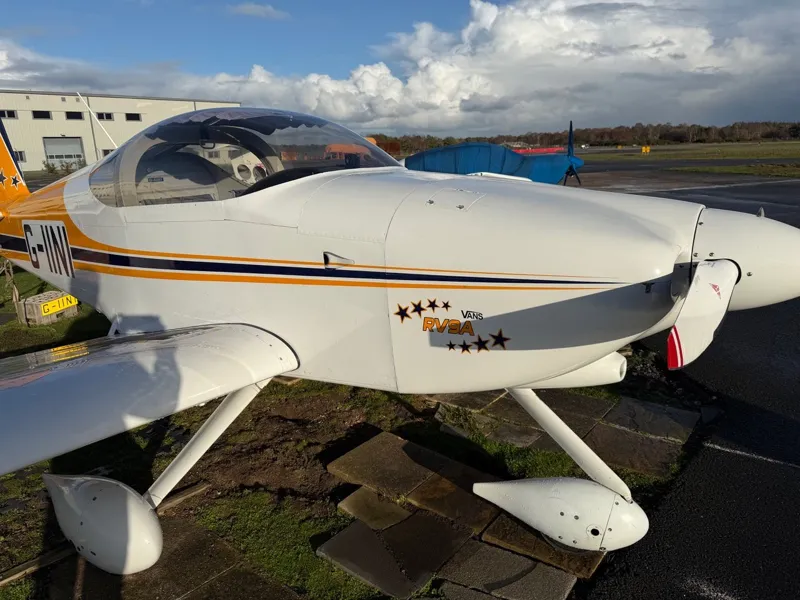
The Van's RV-8 and RV-9 are both two-seat kit aircraft from Van's Aircraft, but they differ in both seating and purpose. The RV-8 is a tandem-seat sport aircraft — the two seats are arranged one behind the other on the centreline — and it is aerobatic, meeting +6/-3G standards at its aerobatic gross weight and accepting engines from about 150 up to 210 horsepower. The RV-9 is a side-by-side tourer: it is not aerobatic and uses a longer, higher-aspect-ratio wing with a Roncz airfoil designed for efficient cross-country cruising and docile handling on lower-power engines, roughly 118 to 160 horsepower.
As with any amateur-built RV, exact performance depends on the builder's engine and equipment. In practice the RV-8 suits pilots who want tandem seating, aerobatics and sporty performance, while the RV-9 suits those who prioritise comfortable side-by-side seating and efficient, stable cross-country flying. Both are quick and capable for their power.
Live Market Snapshot
Current asking-price market, aggregated across multiple marketplaces · refreshed daily
- For sale now
- 12
- Median asking
- $165,000
- Range
- $125,360–$239,615
- Model years available
- 2001–2021
- For sale now
- 3
- Model years available
- 2004–2004
Live data from AeroGurus, aggregated daily across the used-aircraft market. Figures are current asking prices, not appraisals — confirm with a pre-buy inspection.
Safety Record
Absolute counts scale with fleet size — the most-produced types log more events without being less safe. Compare the % fatal.
| NTSB (1982–now) | Van's RV-8 | Van's RV-9 |
|---|---|---|
| All events | 5 | 1 |
| Serious | 0 | 0 |
| Fatal | 2 | 1 |
| Fatalities | 3 | 1 |
| % Fatal | 40% | 100% |
Full Specs Comparison
| Spec / Model | Van's RV-8 | Van's RV-9 |
|---|---|---|

|
|
|
| Price Range | $125,360 – $239,615 | $142,264 – $193,650 |
| Category | Experimental | Experimental |
| Model Specifications | ||
| Seats | 2 | 2 |
| Horsepower | 180 HP | 160 HP |
| Cruise Speed | 173 kts (320 km/h) | 160 kts (296 km/h) |
| Range | 686 nm (1,270 km) | 700 nm (1,296 km) |
| Service Ceiling | 22,000 ft (6,706 m) | 18,000 ft (5,486 m) |
| Max Gross Weight | 1,800 lbs (816 kg) | — |
| Useful Load | 640 lbs (290 kg) | 650 lbs (295 kg) |
| Fuel Burn | 9.0 GPH (34 L/h) | 6.0 GPH (23 L/h) |
| TBO | 2,000 hrs | 2,000 hrs |
| Overhaul Cost | $25,000 | $20,000 |
| Annual Fixed | $10,000 | $10,000 |
| Hourly Variable | $100 | $85 |
| Engines | 1 x Piston | 1 x Piston |
Cost of Ownership
EstimateVan's RV-8
Van's RV-9
Which Should You Buy: Van's RV-8 or Van's RV-9?
Bottom line: The decision is about seating and mission. Choose the RV-8 for tandem seating, aerobatic capability and sportier performance with larger engines. Choose the RV-9 for side-by-side seating and efficient, stable cross-country flying without aerobatics. Since both are amateur-built, each aircraft's specific engine, avionics and build quality also matter. Buyers usually decide based on whether they want a tandem aerobatic sport aircraft or a side-by-side tourer.
Pick the RV-8 if…
- Budget matters — from $125,360 vs $142,264, you save ~$16,904.
- Faster cruise — 173 kts vs 160 kts.
- More inventory — 14 listings vs 3.
Pick the RV-9 if…
- Lower operating cost — ~$85/hr vs $100/hr.
- Longer range — 700 nm vs 686 nm.
- Newer design — production from 1997 vs 1979.
Auto-generated from current market data and published specs. Confirm with a pre-buy inspection and professional appraisal.