
Robinson R44 Astro vs Robinson R44 Raven I
The Robinson R44 Astro and R44 Raven I are successive versions of the same four-seat piston helicopter. The Astro is the original R44, introduced in the early 1990s, with a carbureted Lycoming O-540 engine. The Raven I, introduced in 2000, is the updated model: it added factory hydraulic flight controls as standard — making the controls lighter and smoother — along with upgraded elastomeric tail-rotor bearings and other refinements. Both share the same basic airframe, four-seat cabin and carbureted O-540 engine.
For a buyer, the Raven I represents the more refined, later version, and its standard hydraulic controls are the most noticeable advantage over the earlier Astro. The Astro can be a more economical entry point into R44 ownership. Many Astros have also been retrofitted over the years, so individual aircraft should be assessed on their specific equipment and condition.
Live Market Snapshot
Current asking-price market, aggregated across multiple marketplaces · refreshed daily
- For sale now
- 5
- Model years available
- 1994–1999
- For sale now
- 110
- Median asking
- $229,000
- Range
- $99,000–$496,350
- Model years available
- 1998–2026
Live data from AeroGurus, aggregated daily across the used-aircraft market. Figures are current asking prices, not appraisals — confirm with a pre-buy inspection.
Safety Record
Absolute counts scale with fleet size — the most-produced types log more events without being less safe. Compare the % fatal.
| NTSB (1982–now) | Robinson R44 Astro | Robinson R44 Raven I |
|---|---|---|
| All events | — | 4 |
| Serious | — | 0 |
| Fatal | — | 2 |
| Fatalities | — | 3 |
| % Fatal | — | 50% |
Full Specs Comparison
| Spec / Model | Robinson R44 Astro | Robinson R44 Raven I |
|---|---|---|
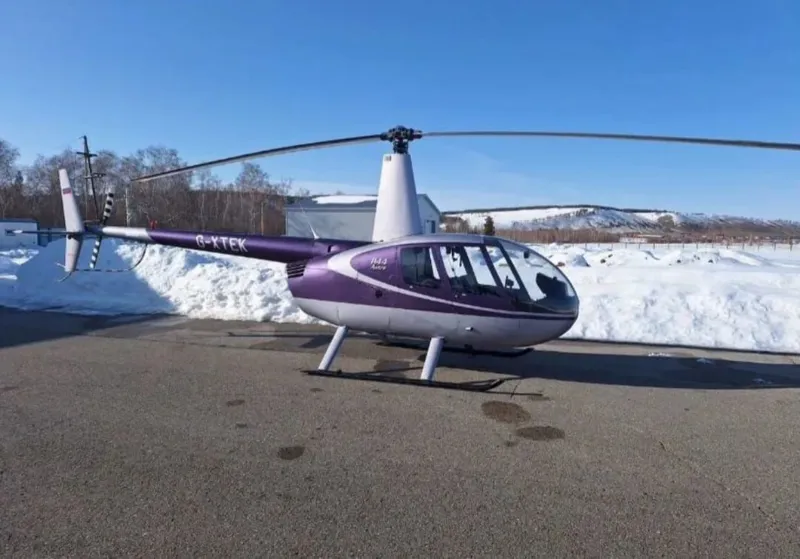
|
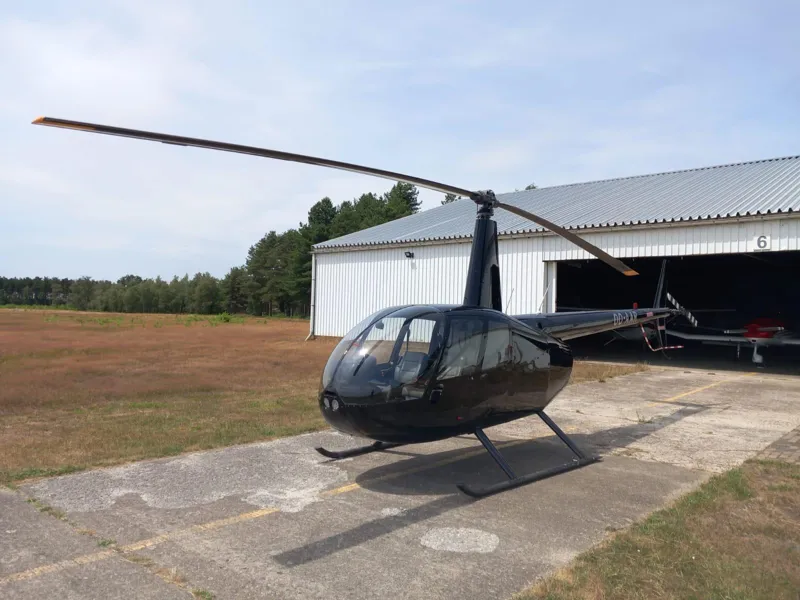
|
|
| Price Range | $26,237 – $130,900 | $99,000 – $496,350 |
| Category | Piston Helicopters | Piston Helicopters |
| Model Specifications | ||
| Seats | 4 | 4 |
| Horsepower | 225 HP | 225 HP |
| Cruise Speed | 110 kts (204 km/h) | 109 kts (202 km/h) |
| Range | 300 nm (556 km) | 300 nm (556 km) |
| Service Ceiling | 14,000 ft (4,267 m) | 14,000 ft (4,267 m) |
| Max Gross Weight | 2,400 lbs (1,089 kg) | 2,400 lbs (1,089 kg) |
| Useful Load | 882 lbs (400 kg) | 882 lbs (400 kg) |
| Fuel Capacity | 31.0 gal (117 L) | 31.0 gal (117 L) |
| Fuel Burn | 15.0 GPH (57 L/h) | 15.0 GPH (57 L/h) |
| TBO | 2,200 hrs | 2,200 hrs |
| Overhaul Cost | $150,000 | $150,000 |
| Annual Fixed | $25,000 | $25,000 |
| Hourly Variable | $180 | $200 |
| Engines | 1 x Piston | 1 x Piston |
Cost of Ownership
EstimateRobinson R44 Astro
Robinson R44 Raven I
Which Should You Buy: Robinson R44 Astro or Robinson R44 Raven I?
Bottom line: These are essentially the same helicopter a generation apart, so the decision is about refinement and price rather than a class difference. Choose the R44 Raven I for factory-standard hydraulic controls and the later refinements, which most buyers prefer. Choose the R44 Astro if a more economical, earlier R44 suits the budget, keeping in mind that some Astros may have been upgraded. Both are four-seat, carbureted O-540 helicopters at heart.
Pick the R44 Astro if…
- Budget matters — from $26,237 vs $99,000, you save ~$72,763.
- Lower operating cost — ~$180/hr vs $200/hr.
- Faster cruise — 110 kts vs 109 kts.
Pick the R44 Raven I if…
- Newer design — production from 2000 vs 1993.
- More inventory — 113 listings vs 7.
Auto-generated from current market data and published specs. Confirm with a pre-buy inspection and professional appraisal.