
Piper Pacer vs Piper Super Cub
Two fabric-and-steel Pipers from the same postwar generation, the Pacer and the Super Cub answer completely different questions. The Piper PA-20 Pacer (1950–1954) was a practical four-seat touring aircraft for the family that had outgrown the J-3 Cub but couldn't step up to a Cessna 170 — conventional gear, a 125–135 hp Lycoming, and enough cabin for four adults on a weekend cross-country. It was honest and sufficient, and it is largely forgotten outside the vintage community. The Piper PA-18 Super Cub (1949–1994) became one of the longest-running and most useful working aircraft in piston aviation — a two-seat tube-and-fabric airplane with a 150 hp Lycoming O-320, a high-lift wing that produces astonishing short-field performance, and the rugged adaptability that made it the foundation of Alaskan bush operations, glider towing, banner work, and aerial surveying across four decades of production. The cross-shop doesn't happen often, but when it does, mission is everything.
Live Market Snapshot
Current asking-price market, aggregated across multiple marketplaces · refreshed daily
- For sale now
- 1
- Source marketplaces
- 1
- Model years available
- 1950–1950
- For sale now
- 48
- Median asking
- $136,875
- Range
- $63,716–$223,750
- Listed on 2+ marketplaces
- 15
- Source marketplaces
- 9
- Model years available
- 1944–2024
Live data from AeroGurus, aggregated daily across the used-aircraft market. Figures are current asking prices, not appraisals — confirm with a pre-buy inspection.
Full Specs Comparison
| Spec / Model | Piper Pacer | Piper Super Cub |
|---|---|---|
|
|
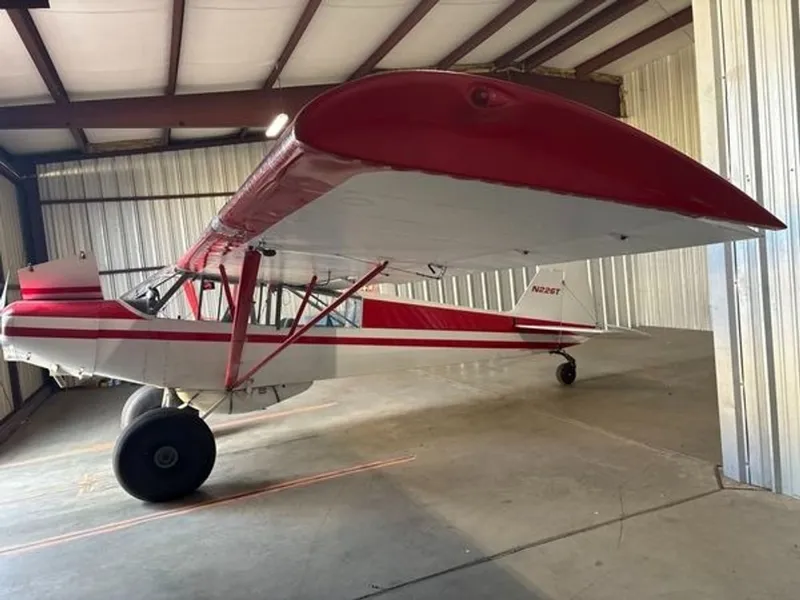
|
|
| Price Range | $4,500 | $63,716 – $223,750 |
| Category | Single Engine Piston | Single Engine Piston |
| Model Specifications | ||
| Seats | 4 | 2 |
| Horsepower | 135 HP | 150 HP |
| Cruise Speed | 109 kts (202 km/h) | 100 kts (185 km/h) |
| Range | 504 nm (933 km) | 400 nm (741 km) |
| Service Ceiling | 15,000 ft (4,572 m) | 19,000 ft (5,791 m) |
| Max Gross Weight | 1,950 lbs (885 kg) | 1,750 lbs (794 kg) |
| Useful Load | 800 lbs (363 kg) | 800 lbs (363 kg) |
| Fuel Burn | 8.0 GPH (30 L/h) | 7.7 GPH (29 L/h) |
| Engines | 1 x Piston | 1 x Piston |
Which Should You Buy: Piper Pacer or Piper Super Cub?
Bottom line: Choose the Piper Pacer for four-seat vintage touring that fits a family's budget — the Pacer's extra seats, accessible useful load, and modest cross-country performance make it a practical all-around aircraft at prices that represent genuine value in the vintage market. Choose the Piper Super Cub when the mission demands it — for bush flying, float operations, short-strip work, or towing, no production piston aircraft of comparable weight has matched the Super Cub's combination of slow-flight capability and adaptability. Safety axis: the Super Cub's low stall speed and high-lift wing make it meaningfully more tolerant of soft-field and short-field operations where a lapse in approach judgment becomes an accident in a faster aircraft — a Pacer flown into a Super Cub's environment requires more precision than the strip offers room for. The Pacer is an honest touring airplane; the Super Cub is purpose-built for exactly the conditions that are unforgiving.
Pick the Pacer if…
- Budget matters — from $4,500 vs $63,716, you save ~$59,216.
- More seats — 4 vs 2.
- Faster cruise — 109 kts vs 100 kts.
- Longer range — 504 nm vs 400 nm.
Pick the Super Cub if…
- More inventory — 53 listings vs 1.
Auto-generated from current market data and published specs. Confirm with a pre-buy inspection and professional appraisal.