
Piper J-3 Cub vs Piper Super Cub
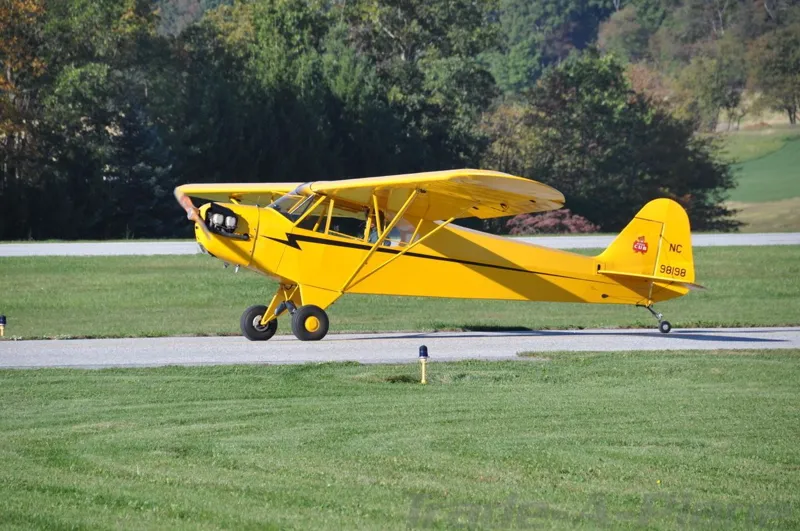
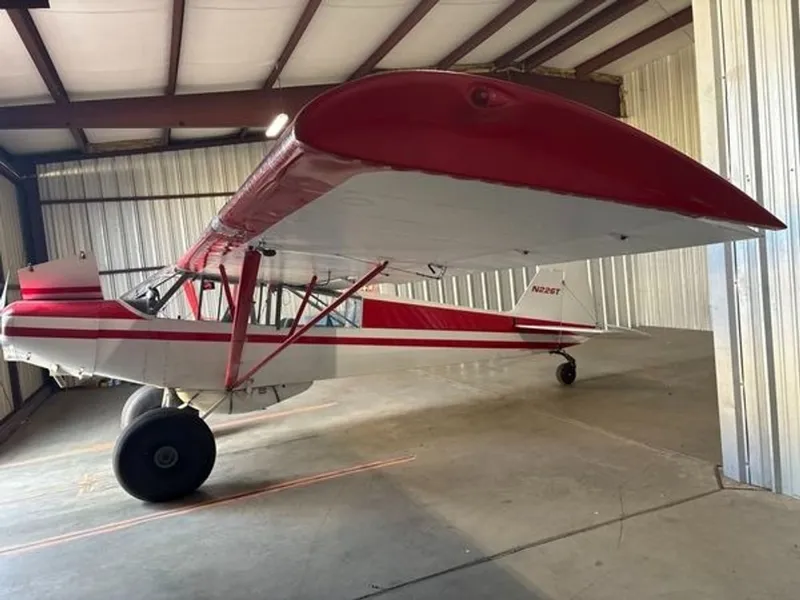
The Piper J-3 Cub is one of the most important aircraft ever built — a 65 hp Continental-engined two-seater that put America in the air from 1938 to 1947 and established the visual language of light aviation that the world still uses. The Piper PA-18 Super Cub arrived in 1949 as the working evolution: twice the engine options (up to 150 hp Lycoming), heavy-duty airframe, and honest bush-flying capability that the original J-3 never claimed. The cross-shop isn't really a cross-shop at all — it's an exploration of what the Cub meant, and what the Super Cub became.
Live Market Snapshot
Current asking-price market, aggregated across multiple marketplaces · refreshed daily
- For sale now
- 26
- Median asking
- $63,100
- Range
- $34,050–$88,500
- Listed on 2+ marketplaces
- 7
- Source marketplaces
- 8
- Model years available
- 1939–1947
- For sale now
- 48
- Median asking
- $136,875
- Range
- $63,716–$223,750
- Listed on 2+ marketplaces
- 15
- Source marketplaces
- 9
- Model years available
- 1944–2024
Live data from AeroGurus, aggregated daily across the used-aircraft market. Figures are current asking prices, not appraisals — confirm with a pre-buy inspection.
Safety Record
Absolute counts scale with fleet size — the most-produced types log more events without being less safe. Compare the % fatal.
| NTSB (1982–now) | Piper J-3 Cub | Piper Super Cub |
|---|---|---|
| All events | 3 | — |
| Serious | 0 | — |
| Fatal | 0 | — |
| Fatalities | 0 | — |
| % Fatal | 0% | — |
Full Specs Comparison
| Spec / Model | Piper J-3 Cub | Piper Super Cub |
|---|---|---|
|
|
|
| Price Range | $34,050 – $88,500 | $63,716 – $223,750 |
| Category | Single Engine Piston | Single Engine Piston |
| Model Specifications | ||
| Seats | 2 | 2 |
| Horsepower | 65 HP | 150 HP |
| Cruise Speed | 65 kts (120 km/h) | 100 kts (185 km/h) |
| Range | 191 nm (354 km) | 400 nm (741 km) |
| Service Ceiling | 11,500 ft (3,505 m) | 19,000 ft (5,791 m) |
| Max Gross Weight | 1,220 lbs (553 kg) | 1,750 lbs (794 kg) |
| Useful Load | 455 lbs (206 kg) | 800 lbs (363 kg) |
| Fuel Burn | 4.0 GPH (15 L/h) | 7.7 GPH (29 L/h) |
| Engines | 1 x Piston | 1 x Piston |
Which Should You Buy: Piper J-3 Cub or Piper Super Cub?
Bottom line: Choose the J-3 Cub for the purest analog flying experience available in a certified aircraft, and for training missions where slow-speed discipline and minimal cockpit abstraction are the curriculum. The J-3's tandem seating (instructor in back, student in front), constant visibility challenges, and stick-and-rudder primacy have trained generations of pilots. It's a museum piece that flies beautifully. Choose the Super Cub when you need the J-3 to actually do work — float planes, mountain operations, backcountry access, FAA Part 135 operations requiring useful payload, or any mission where 65 hp leaves you without margin. The Super Cub's 150 hp, reinforced airframe, and STOL performance make it the working pilot's Cub; the J-3 is the philosophical one. Safety axis: the Super Cub's additional power provides meaningful safety margin in critical phases — go-around from a short strip at density altitude, float takeoff with a passenger, or climbing out of a canyon. The J-3's 65 hp is correct and sufficient for its original envelope; exceed that envelope and the engine's limits leave no reserve.
Pick the J-3 Cub if…
- Budget matters — from $34,050 vs $63,716, you save ~$29,666.
Pick the Super Cub if…
- Faster cruise — 100 kts vs 65 kts.
- Longer range — 400 nm vs 191 nm.
- More inventory — 53 listings vs 31.
Auto-generated from current market data and published specs. Confirm with a pre-buy inspection and professional appraisal.