
Piper Saratoga vs Piper Seneca
Both the Piper PA-32 Saratoga and PA-34 Seneca occupy the serious IFR touring ramp — large-cabin, well-equipped aircraft capable of moving a small group on a long cross-country with reasonable speed and payload. The Saratoga is a high-performance single with a 300 hp Lycoming IO-540, seating six, and a useful load that bests many light twins. The Seneca is the twin-engine alternative at a similar cabin size, trading some cruise speed for the second engine. The buyer who walks away from an avionics shop with 170 knots, six seats, and a checklist of options can be found test-flying both.
Live Market Snapshot
Current asking-price market, aggregated across multiple marketplaces · refreshed daily
- For sale now
- 170
- Median asking
- $226,400
- Range
- $115,250–$495,525
- Listed on 2+ marketplaces
- 64
- Source marketplaces
- 15
- Model years available
- 1965–2007
- For sale now
- 111
- Median asking
- $227,990
- Range
- $89,465–$640,128
- Listed on 2+ marketplaces
- 39
- Source marketplaces
- 11
- Model years available
- 1967–2023
Live data from AeroGurus, aggregated daily across the used-aircraft market. Figures are current asking prices, not appraisals — confirm with a pre-buy inspection.
Safety Record
Absolute counts scale with fleet size — the most-produced types log more events without being less safe. Compare the % fatal.
| NTSB (1982–now) | Piper Saratoga | Piper Seneca |
|---|---|---|
| All events | 1 | 2 |
| Serious | 0 | 0 |
| Fatal | 0 | 0 |
| Fatalities | 0 | 0 |
| % Fatal | 0% | 0% |
Full Specs Comparison
| Spec / Model | Piper Saratoga | Piper Seneca |
|---|---|---|
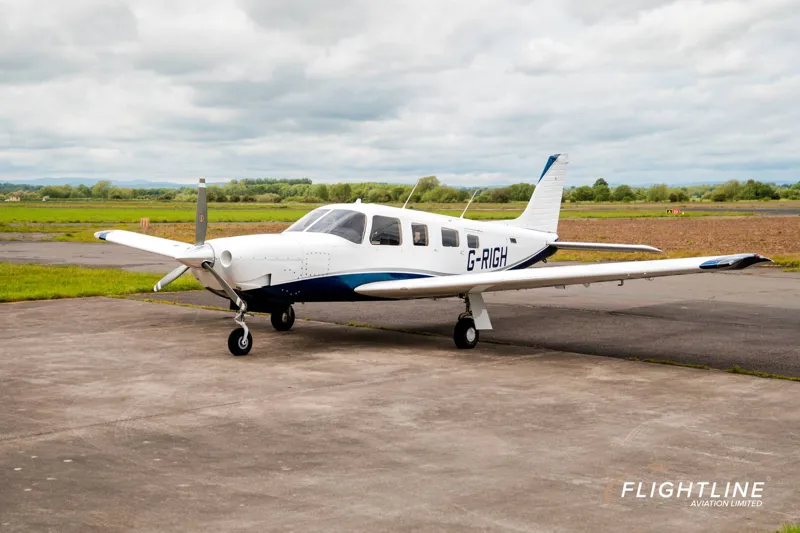
|
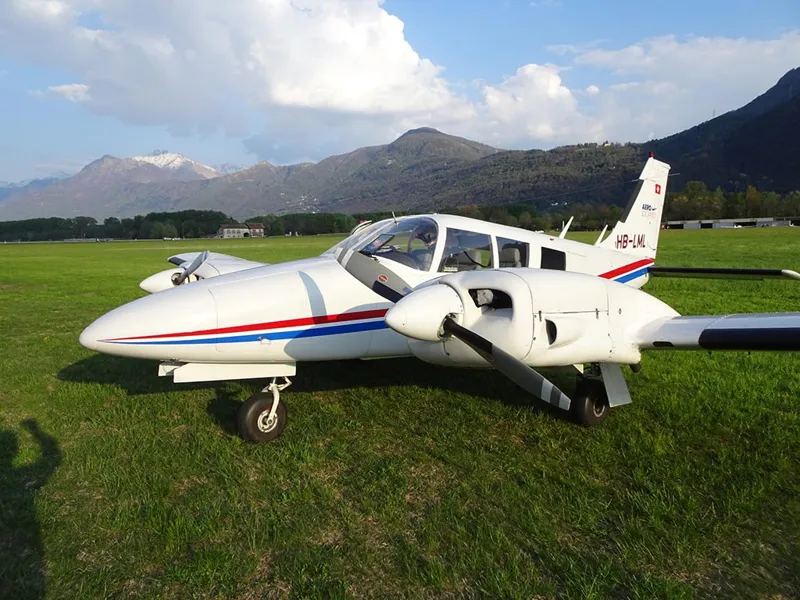
|
|
| Price Range | $115,250 – $495,525 | $89,465 – $640,128 |
| Category | Single Engine Piston | Multi Engine Piston |
| Model Specifications | ||
| Seats | 6 | 6 |
| Horsepower | 300 HP | 220 HP |
| Cruise Speed | 163 kts (302 km/h) | 180 kts (333 km/h) |
| Range | 950 nm (1,759 km) | 750 nm (1,389 km) |
| Service Ceiling | 20,000 ft (6,096 m) | 25,000 ft (7,620 m) |
| Max Gross Weight | 3,600 lbs (1,633 kg) | 4,750 lbs (2,155 kg) |
| Useful Load | 1,360 lbs (617 kg) | 1,590 lbs (721 kg) |
| Fuel Capacity | 102.0 gal (386 L) | 123.0 gal (466 L) |
| Fuel Burn | 15.0 GPH (57 L/h) | 22.0 GPH (83 L/h) |
| TBO | 2,000 hrs | 1,800 hrs |
| Overhaul Cost | $32,000 | $40,000 |
| Annual Fixed | $20,000 | $25,000 |
| Hourly Variable | $170 | $280 |
| Engines | 1 x Piston | 2 x Piston (Turbocharged) |
Cost of Ownership
EstimatePiper Saratoga
Piper Seneca
Which Should You Buy: Piper Saratoga or Piper Seneca?
Bottom line: Choose the Saratoga for lowest total operating cost with the greatest useful load in its class — the IO-540's economics, ~14 gph fuel burn, and simpler systems make it cheaper per nm than the Seneca by a meaningful margin. A turbocharged Saratoga TC adds altitude performance while keeping single-engine economics. Choose the Seneca if Part 135 twin requirements, the peace of mind of two engines in regular IMC, or multi-engine currency maintenance drive the choice. The Seneca's twin redundancy is real insurance at low altitude in IMC — but demands proficient VMC training to unlock that insurance rather than compound risk. Safety axis: the Seneca's twin advantage is most real at low altitude in IMC where a single-engine emergency has little altitude margin. Above 10,000 ft in VMC, the single-engine IFR record of well-maintained Saratogas is strong; the "choose a twin for safety" calculus reverses for pilots without genuine twin-engine training currency.
Pick the Saratoga if…
- Lower operating cost — ~$170/hr vs $280/hr.
- Longer range — 950 nm vs 750 nm.
- Newer design — production from 1980 vs 1972.
- More inventory — 119 listings vs 114.
Pick the Seneca if…
- Budget matters — from $89,465 vs $115,250, you save ~$25,785.
- Faster cruise — 180 kts vs 163 kts.
Auto-generated from current market data and published specs. Confirm with a pre-buy inspection and professional appraisal.