
Piper Arrow vs Piper Seneca
The Piper PA-28R Arrow and PA-34 Seneca share the PA-28 bloodline but diverge sharply at engine count. The Arrow is Piper's retractable-gear single — a 200 hp complex aircraft that represents the first real step beyond fixed-gear training in the Piper world. The Seneca is a twin-engine hauler with five- to six-seat capacity and the redundancy that comes from having two engines versus one. The cross-shop surfaces precisely where it should: the IFR pilot ready to step up, choosing between a faster single or the psychological and practical comfort of the twin.
Live Market Snapshot
Current asking-price market, aggregated across multiple marketplaces · refreshed daily
- For sale now
- 196
- Median asking
- $134,945
- Range
- $79,053–$243,250
- Listed on 2+ marketplaces
- 71
- Source marketplaces
- 15
- Model years available
- 1967–2015
- For sale now
- 111
- Median asking
- $227,990
- Range
- $89,465–$640,128
- Listed on 2+ marketplaces
- 39
- Source marketplaces
- 11
- Model years available
- 1967–2023
Live data from AeroGurus, aggregated daily across the used-aircraft market. Figures are current asking prices, not appraisals — confirm with a pre-buy inspection.
Safety Record
Absolute counts scale with fleet size — the most-produced types log more events without being less safe. Compare the % fatal.
| NTSB (1982–now) | Piper Arrow | Piper Seneca |
|---|---|---|
| All events | — | 2 |
| Serious | — | 0 |
| Fatal | — | 0 |
| Fatalities | — | 0 |
| % Fatal | — | 0% |
Full Specs Comparison
| Spec / Model | Piper Arrow | Piper Seneca |
|---|---|---|
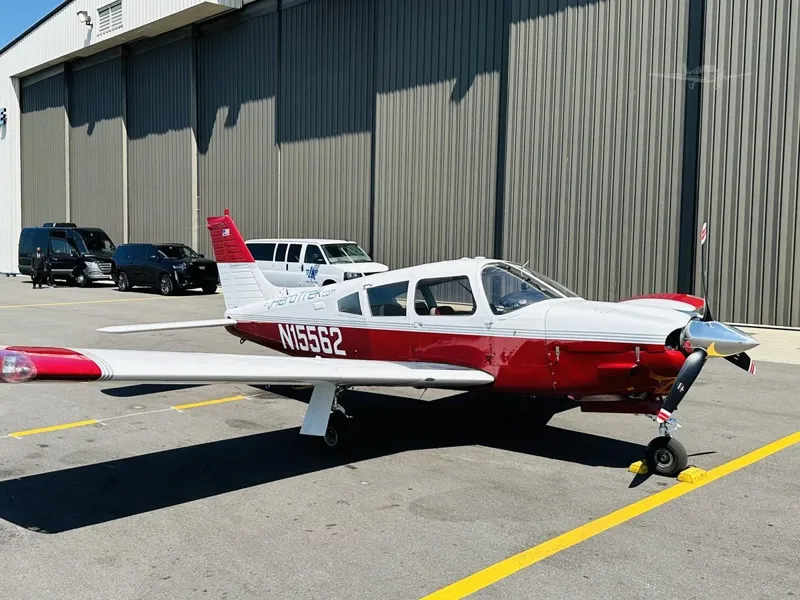
|
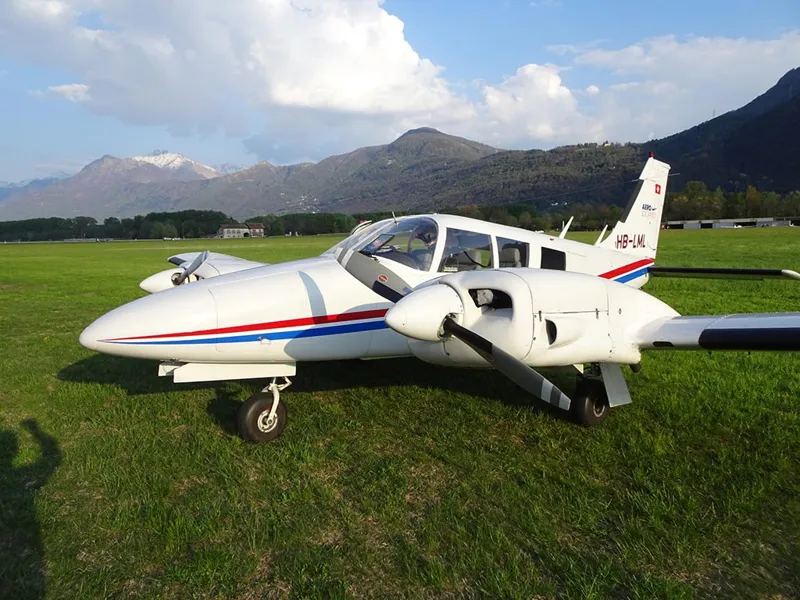
|
|
| Price Range | $79,053 – $243,250 | $89,465 – $640,128 |
| Category | Single Engine Piston | Multi Engine Piston |
| Model Specifications | ||
| Seats | 4 | 6 |
| Horsepower | 200 HP | 220 HP |
| Cruise Speed | 135 kts (250 km/h) | 180 kts (333 km/h) |
| Range | 720 nm (1,333 km) | 750 nm (1,389 km) |
| Service Ceiling | 15,400 ft (4,694 m) | 25,000 ft (7,620 m) |
| Max Gross Weight | 2,750 lbs (1,247 kg) | 4,750 lbs (2,155 kg) |
| Useful Load | 940 lbs (426 kg) | 1,590 lbs (721 kg) |
| Fuel Capacity | 72.0 gal (273 L) | 123.0 gal (466 L) |
| Fuel Burn | 10.5 GPH (40 L/h) | 22.0 GPH (83 L/h) |
| TBO | 2,000 hrs | 1,800 hrs |
| Overhaul Cost | $30,000 | $40,000 |
| Annual Fixed | $18,000 | $25,000 |
| Hourly Variable | $145 | $280 |
| Engines | 1 x Piston | 2 x Piston (Turbocharged) |
Cost of Ownership
EstimatePiper Arrow
Piper Seneca
Which Should You Buy: Piper Arrow or Piper Seneca?
Bottom line: Choose the Arrow if you're building complex and high-performance experience, want a capable IFR single on a manageable budget, and will commit to proficiency. The Arrow's operating cost runs roughly half the Seneca's — fuel, engine reserves, and maintenance all favor the single. Choose the Seneca when twin redundancy, larger cabin, or charter operations under Part 135 (which frequently require twins for IMC) drive the decision. The Seneca III and later variants have solid payload and a well-established charter history. Safety axis: the "twin safety" argument deserves nuance here. In a Seneca, a single-engine failure demands immediate, correct pilot response — Vmc control, engine identification, securing the failed engine — and a poorly-trained Seneca pilot can lose control faster than an Arrow pilot making a single-engine emergency landing. Single-pilot IFR twins at low altitude carry a different risk profile than the intuitive "two engines = safer" framing suggests. Know your training before choosing the twin.
Pick the Arrow if…
- Budget matters — from $79,053 vs $89,465, you save ~$10,412.
- Lower operating cost — ~$145/hr vs $280/hr.
- More inventory — 223 listings vs 114.
Pick the Seneca if…
- More seats — 6 vs 4.
- Faster cruise — 180 kts vs 135 kts.
- Longer range — 750 nm vs 720 nm.
- Newer design — production from 1972 vs 1967.
Auto-generated from current market data and published specs. Confirm with a pre-buy inspection and professional appraisal.