
Piper Comanche vs Piper Saratoga
Both the Piper Saratoga and Piper Comanche are high-performance retractable singles capable of serious cross-country IFR work — but they represent very different eras of Piper engineering. The Comanche (PA-24) is a late-1950s design with a laminar-flow wing, vintage aerodynamics, and the efficiency mystique that comes from doing more with less. The Saratoga (PA-32R) is the 1980s mature touring platform — bigger cabin, 300 hp, and the support network of Piper's most successful touring era. The cross-shop appeals to buyers who want the most capable Piper single they can find, and who don't assume "newer" automatically means "better."
Live Market Snapshot
Current asking-price market, aggregated across multiple marketplaces · refreshed daily
- For sale now
- 57
- Median asking
- $115,000
- Range
- $71,900–$174,495
- Model years available
- 1958–1992
- For sale now
- 170
- Median asking
- $226,400
- Range
- $115,250–$495,525
- Model years available
- 1965–2007
Live data from AeroGurus, aggregated daily across the used-aircraft market. Figures are current asking prices, not appraisals — confirm with a pre-buy inspection.
Safety Record
Absolute counts scale with fleet size — the most-produced types log more events without being less safe. Compare the % fatal.
| NTSB (1982–now) | Piper Comanche | Piper Saratoga |
|---|---|---|
| All events | — | 1 |
| Serious | — | 0 |
| Fatal | — | 0 |
| Fatalities | — | 0 |
| % Fatal | — | 0% |
Full Specs Comparison
| Spec / Model | Piper Comanche | Piper Saratoga |
|---|---|---|
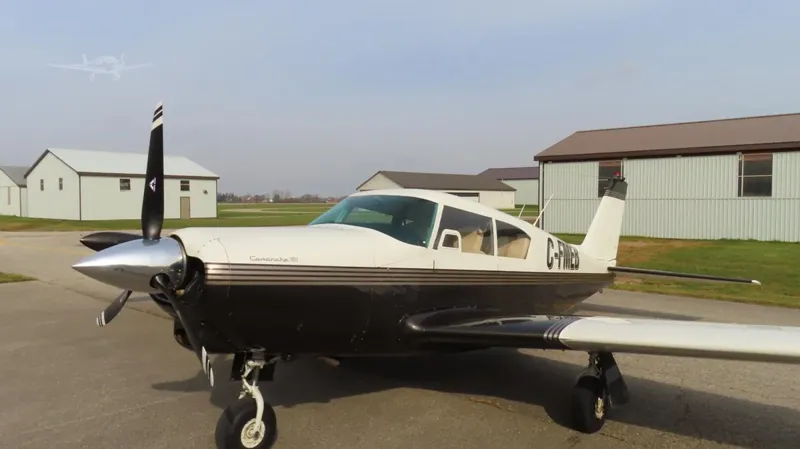
|
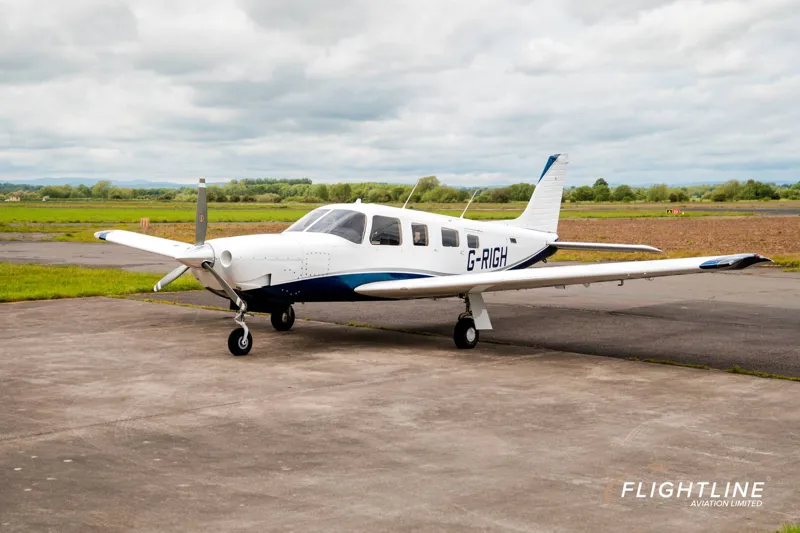
|
|
| Price Range | $71,900 – $174,495 | $115,250 – $495,525 |
| Category | Single Engine Piston | Single Engine Piston |
| Model Specifications | ||
| Seats | 4 | 6 |
| Horsepower | 250 HP | 300 HP |
| Cruise Speed | 157 kts (291 km/h) | 163 kts (302 km/h) |
| Range | 956 nm (1,771 km) | 950 nm (1,759 km) |
| Service Ceiling | 20,000 ft (6,096 m) | 20,000 ft (6,096 m) |
| Max Gross Weight | 2,900 lbs (1,315 kg) | 3,600 lbs (1,633 kg) |
| Useful Load | 1,200 lbs (544 kg) | 1,360 lbs (617 kg) |
| Fuel Capacity | — | 102.0 gal (386 L) |
| Fuel Burn | 14.0 GPH (53 L/h) | 15.0 GPH (57 L/h) |
| TBO | — | 2,000 hrs |
| Overhaul Cost | — | $32,000 |
| Annual Fixed | — | $20,000 |
| Hourly Variable | — | $170 |
| Engines | 1 x Piston | 1 x Piston |
Cost of Ownership
EstimatePiper Comanche
Piper Saratoga
Which Should You Buy: Piper Comanche or Piper Saratoga?
Bottom line: Choose the Saratoga for the larger cabin, active maintenance ecosystem, and the additional 40–50 hp that makes density-altitude operations more comfortable. The PA-32R's 300 hp IO-540 rewards pilots who routinely operate in challenging conditions or need true six-seat useful load. Choose the Comanche for aerodynamic efficiency — the Comanche 260 or 260C genuinely outpaces the Saratoga in cruise for less fuel, a combination that's hard to argue against for the pilot who flies solo or with one or two passengers. The Comanche's tactile, sports-car handling is legendary among retractable-single pilots. Safety axis: both are retractable-gear singles with similar gear-up landing risk profiles. The Comanche's production ended in 1972 (Hurricane Agnes/Lock Haven flood) — all flying examples are 50+ year-old aircraft requiring thorough pre-purchase inspection, airframe fatigue awareness, and a Comanche-familiar mechanic. Buyers should treat vintage certification compliance (ADs, SBs) as a non-negotiable pre-purchase step.
Pick the Comanche if…
- Budget matters — from $71,900 vs $115,250, you save ~$43,350.
- Longer range — 956 nm vs 950 nm.
Pick the Saratoga if…
- More seats — 6 vs 4.
- Faster cruise — 163 kts vs 157 kts.
- More inventory — 121 listings vs 65.
Auto-generated from current market data and published specs. Confirm with a pre-buy inspection and professional appraisal.