
Piper Chieftain vs Piper Navajo
The Piper PA-31 Navajo and PA-31-350 Chieftain occupy the same fuselage but pull in different directions with it. The Navajo (from 1967) started as a six-seat piston twin with 310–350 hp engines, evolving through several variants to serve charter, air taxi, and corporate transport. The Chieftain (1973) took the same PA-31 airframe, extended the fuselage 24 inches, added up to ten seats, and became a workhorse of Part 135 commuter operations throughout the 1970s and 1980s. The cross-shop is contextual: buyers who need the PA-31's bones are choosing between the Navajo's versatility and the Chieftain's raw capacity.
Live Market Snapshot
Current asking-price market, aggregated across multiple marketplaces · refreshed daily
- For sale now
- 29
- Median asking
- $234,826
- Range
- $119,925–$584,423
- Listed on 2+ marketplaces
- 11
- Source marketplaces
- 6
- Model years available
- 1973–1984
- For sale now
- 40
- Median asking
- $262,250
- Range
- $123,300–$552,867
- Listed on 2+ marketplaces
- 10
- Source marketplaces
- 12
- Model years available
- 1967–1984
Live data from AeroGurus, aggregated daily across the used-aircraft market. Figures are current asking prices, not appraisals — confirm with a pre-buy inspection.
Safety Record
Absolute counts scale with fleet size — the most-produced types log more events without being less safe. Compare the % fatal.
| NTSB (1982–now) | Piper Chieftain | Piper Navajo |
|---|---|---|
| All events | — | 1 |
| Serious | — | 0 |
| Fatal | — | 0 |
| Fatalities | — | 0 |
| % Fatal | — | 0% |
Full Specs Comparison
| Spec / Model | Piper Chieftain | Piper Navajo |
|---|---|---|
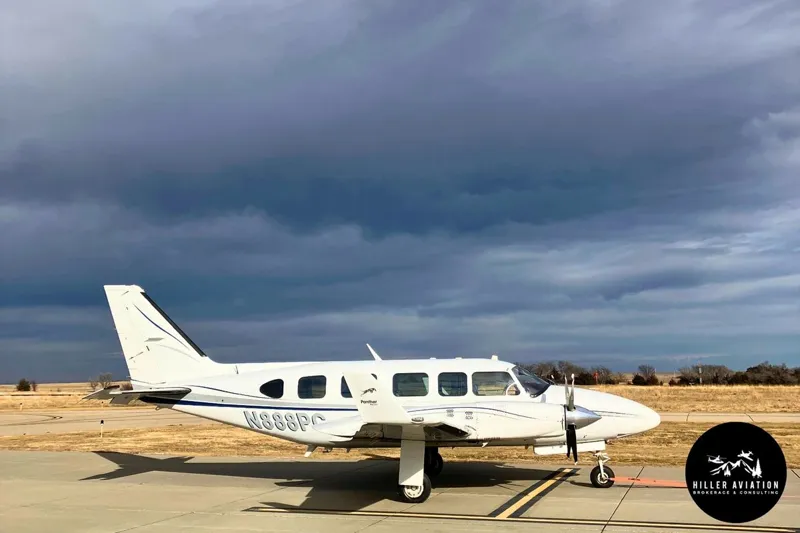
|
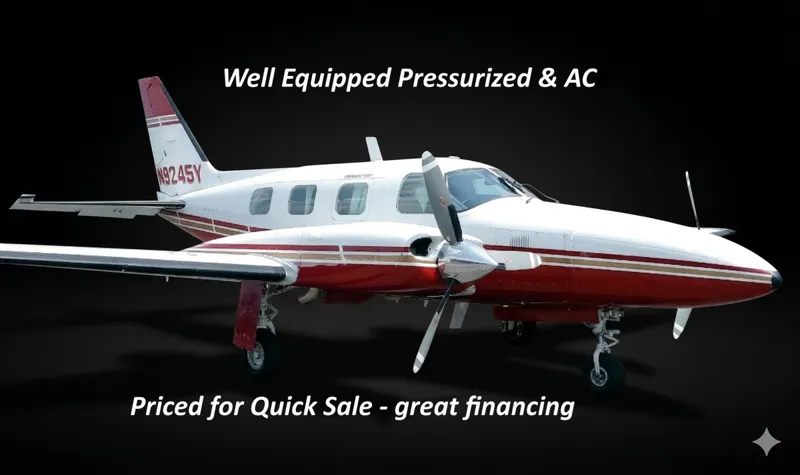
|
|
| Price Range | $119,925 – $584,423 | $123,300 – $552,867 |
| Category | Multi Engine Piston | Multi Engine Piston |
| Model Specifications | ||
| Seats | 10 | 8 |
| Horsepower | 350 HP | — |
| Cruise Speed | 205 kts (380 km/h) | 206 kts (382 km/h) |
| Range | 950 nm (1,759 km) | 1,065 nm (1,972 km) |
| Service Ceiling | 24,000 ft (7,315 m) | 24,000 ft (7,315 m) |
| Max Gross Weight | 7,000 lbs (3,175 kg) | 6,500 lbs (2,948 kg) |
| Useful Load | 2,350 lbs (1,066 kg) | 2,800 lbs (1,270 kg) |
| Fuel Capacity | — | 182.0 gal (689 L) |
| Fuel Burn | 38.0 GPH (144 L/h) | 32.0 GPH (121 L/h) |
| TBO | — | 1,800 hrs |
| Overhaul Cost | — | $42,000 |
| Annual Fixed | — | $30,000 |
| Hourly Variable | — | $350 |
| Engines | 2 x Piston (Turbocharged) | 2 x Piston (Turbocharged) |
Cost of Ownership
EstimatePiper Chieftain
Piper Navajo
Which Should You Buy: Piper Chieftain or Piper Navajo?
Bottom line: Choose the Navajo for smaller group transport, corporate use where a six-to-seven seat interior is appropriate, and the slightly simpler airframe that comes from a shorter fuselage. Several Navajo variants (the Navajo C/R with counter-rotating engines, the Pressurized Navajo) offer specific mission enhancements. Choose the Chieftain for capacity — the Chieftain's stretched fuselage and up to ten seats make it the default choice for charter, air taxi, and commercial operations under Part 135 that need to move larger groups economically. The Chieftain was so dominant in regional air taxi that it defined the economics of short-haul charter for a generation. Safety axis: both aircraft use Lycoming TIO-540-series engines running counter-rotating in the standard configuration, which eliminates the "critical engine" problem that makes single-engine emergencies particularly dangerous in conventionally-configured twins. Know your specific aircraft's engine configuration before training for single-engine emergencies.
Pick the Chieftain if…
- Budget matters — from $119,925 vs $123,300, you save ~$3,375.
- More seats — 10 vs 8.
Pick the Navajo if…
- Faster cruise — 206 kts vs 205 kts.
- Longer range — 1065 nm vs 950 nm.
- More inventory — 40 listings vs 35.
Auto-generated from current market data and published specs. Confirm with a pre-buy inspection and professional appraisal.