
Piper Aztec vs Piper Twin Comanche
Piper built two light twin families simultaneously in the 1960s and never quite resolved which one was which. The Twin Comanche (PA-30/PA-39 family, 1963–1972) was the performance twin — the Comanche airframe stretched to accommodate two Lycoming IO-320 engines, producing a sleek, economical airplane that outran much more expensive alternatives at cruise. The PA-39 variant, built from 1970 to 1972, went further: counter-rotating engines that eliminated the critical-engine problem inherent in standard twins. The Aztec (PA-23-250, 1959–1981) was the utility twin — six seats, 250 hp Lycoming IO-540 engines, load-hauling useful load, and a twin reputation as a reliable IFR workhorse. Both trace lineage to the PA-23 Apache; both ended production before 1982. The cross-shop turns on whether you need speed or seats.
Live Market Snapshot
Current asking-price market, aggregated across multiple marketplaces · refreshed daily
- For sale now
- 30
- Median asking
- $152,000
- Range
- $52,467–$313,500
- Model years available
- 1965–1979
- For sale now
- 23
- Median asking
- $143,000
- Range
- $105,000–$210,000
- Model years available
- 1964–1973
Live data from AeroGurus, aggregated daily across the used-aircraft market. Figures are current asking prices, not appraisals — confirm with a pre-buy inspection.
Safety Record
Absolute counts scale with fleet size — the most-produced types log more events without being less safe. Compare the % fatal.
| NTSB (1982–now) | Piper Aztec | Piper Twin Comanche |
|---|---|---|
| All events | 2 | — |
| Serious | 0 | — |
| Fatal | 0 | — |
| Fatalities | 0 | — |
| % Fatal | 0% | — |
Full Specs Comparison
| Spec / Model | Piper Aztec | Piper Twin Comanche |
|---|---|---|
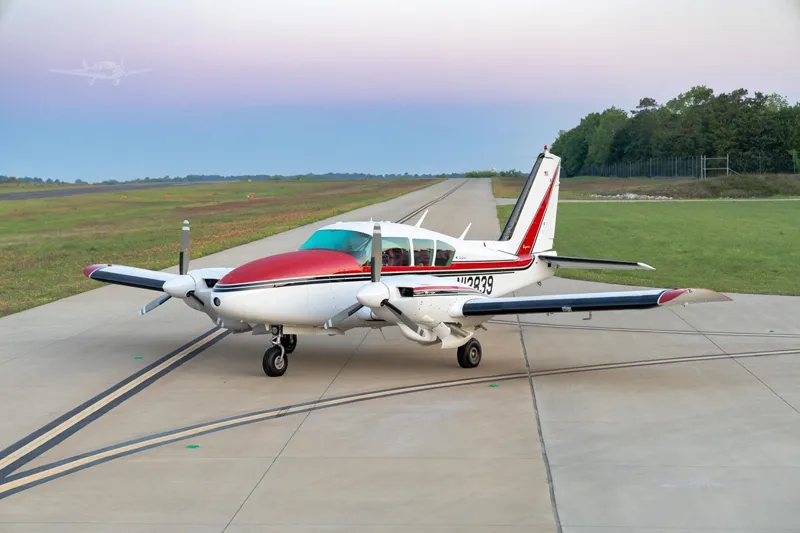
|
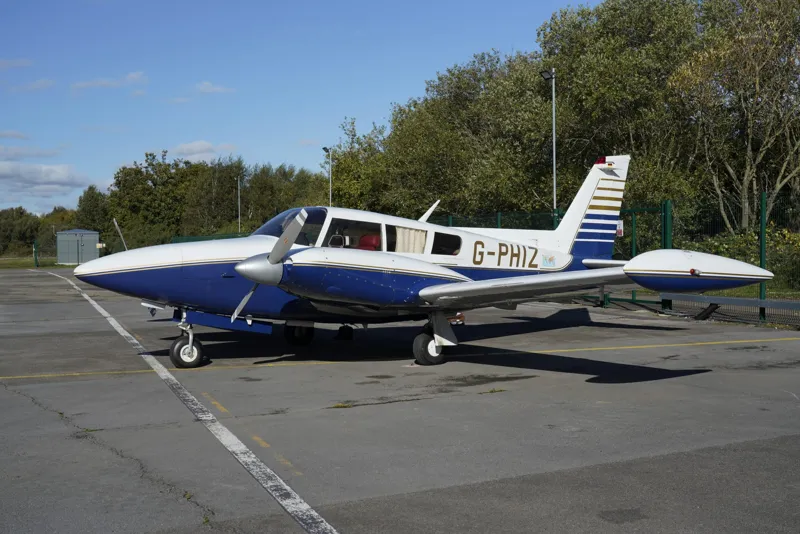
|
|
| Price Range | $52,467 – $313,500 | $105,000 – $210,000 |
| Category | Multi Engine Piston | Multi Engine Piston |
| Model Specifications | ||
| Seats | 6 | 4 |
| Horsepower | 250 HP | 160 HP |
| Cruise Speed | 149 kts (276 km/h) | 155 kts (287 km/h) |
| Range | 1,320 nm (2,445 km) | 1,000 nm (1,852 km) |
| Service Ceiling | 17,600 ft (5,364 m) | 18,600 ft (5,669 m) |
| Max Gross Weight | 5,200 lbs (2,359 kg) | 3,725 lbs (1,690 kg) |
| Useful Load | 1,900 lbs (862 kg) | 1,450 lbs (658 kg) |
| Fuel Burn | 24.0 GPH (91 L/h) | 16.0 GPH (61 L/h) |
| Engines | 2 x Piston | 2 x Piston |
Which Should You Buy: Piper Aztec or Piper Twin Comanche?
Bottom line: Choose the Piper Twin Comanche for speed and economy — the IO-320 engines burn roughly 10–12 gph per side at cruise, meaningfully less than the Aztec's 13–15 gph, while delivering comparable cruise speed. For two or three passengers on typical VFR or light IFR missions, the Twin Comanche is an efficient, quick classic. Choose the Piper Aztec for load, range, and IFR confidence — the IO-540 engines provide better single-engine climb performance at max gross weight, six-seat capacity, and a larger, more workmanlike cabin that absorbed the hard IFR trips that light twins were actually used for in charter and corporate work. Safety axis: VMC — the minimum speed at which directional control can be maintained with one engine inoperative — is the fundamental discipline in any light twin. The Aztec's more powerful IO-540 engines generate better single-engine climb margins than the Twin Comanche, particularly at higher gross weights on a hot day. The PA-39 Twin Comanche's counter-rotating engines mitigate the critical-engine problem (no "worse" engine to lose), but both types demand current multi-engine training and genuine engine-out proficiency — a lapsed multi-engine pilot in either aircraft is operating above their actual capability.
Pick the Aztec if…
- Budget matters — from $52,467 vs $105,000, you save ~$52,533.
- More seats — 6 vs 4.
- Longer range — 1320 nm vs 1000 nm.
- More inventory — 32 listings vs 29.
Pick the Twin Comanche if…
- Faster cruise — 155 kts vs 149 kts.
Auto-generated from current market data and published specs. Confirm with a pre-buy inspection and professional appraisal.