
Piper Arrow vs Piper Comanche
The Piper PA-24 Comanche predates the Arrow by nearly a decade, and within the retractable-gear Piper lineage it occupies a peculiar prestige position: aerodynamically refined, fuel-efficient, and capable of cruise speeds that embarrass aircraft with bigger engines. The Comanche 260C can genuinely approach 165–170 kt at economy cruise on 10–12 gph — numbers that made it the go-to cross-country tool for Piper owners in the 1960s. The Arrow arrived in 1967 as the accessible retractable — the same basic PA-28 fuselage with gear that retracts and an engine developing 200 hp. The cross-shop happens when a pilot seeks a vintage retractable with genuine efficiency and runs into the question of which lineage to buy into.
Live Market Snapshot
Current asking-price market, aggregated across multiple marketplaces · re-checked on a rolling daily cycle
- For sale now
- 196
- Median asking
- $134,945
- Range
- $79,053–$243,250
- Model years available
- 1967–2015
- For sale now
- 57
- Median asking
- $115,000
- Range
- $71,900–$174,495
- Model years available
- 1958–1992
Live data from AeroGurus, aggregated daily across the used-aircraft market. Figures are current asking prices, not appraisals — confirm with a pre-buy inspection.
Full Specs Comparison
| Spec / Model | Piper Arrow | Piper Comanche |
|---|---|---|
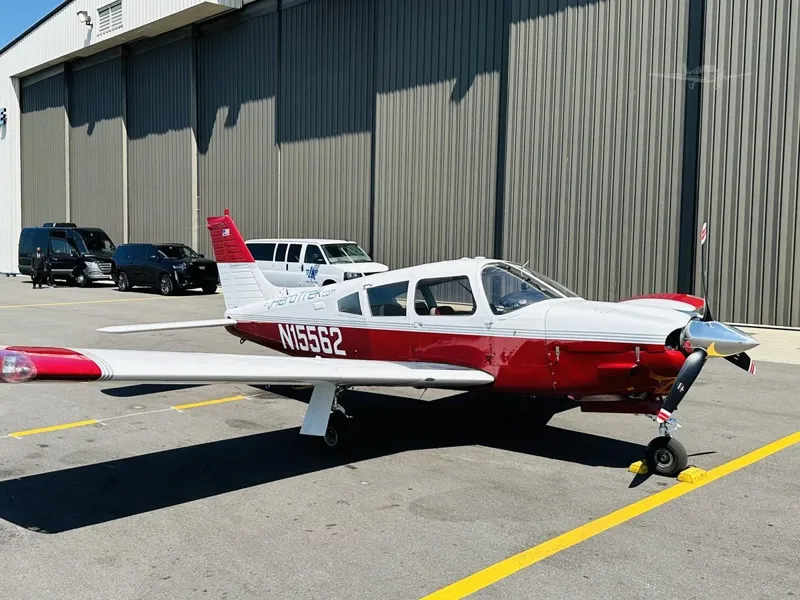
|
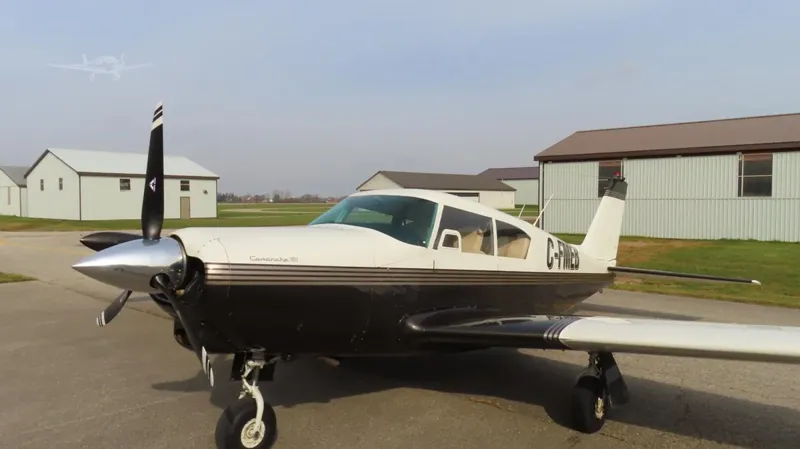
|
|
| Price Range | $79,053 – $243,250 | $71,900 – $174,495 |
| Category | Single Engine Piston | Single Engine Piston |
| Model Specifications | ||
| Seats | 4 | 4 |
| Horsepower | 200 HP | 250 HP |
| Cruise Speed | 135 kts (250 km/h) | 157 kts (291 km/h) |
| Range | 720 nm (1,333 km) | 956 nm (1,771 km) |
| Service Ceiling | 15,400 ft (4,694 m) | 20,000 ft (6,096 m) |
| Max Gross Weight | 2,750 lbs (1,247 kg) | 2,900 lbs (1,315 kg) |
| Useful Load | 940 lbs (426 kg) | 1,200 lbs (544 kg) |
| Fuel Capacity | 72.0 gal (273 L) | — |
| Fuel Burn | 10.5 GPH (40 L/h) | 14.0 GPH (53 L/h) |
| TBO | 2,000 hrs | — |
| Overhaul Cost | $30,000 | — |
| Annual Fixed | $18,000 | — |
| Hourly Variable | $145 | — |
| Engines | 1 x Piston | 1 x Piston |
Cost of Ownership
EstimatePiper Arrow
Piper Comanche
Which Should You Buy: Piper Arrow or Piper Comanche?
Bottom line: Choose the Arrow for easier parts availability, a more active service network, and the training-market connection that keeps knowledge and mechanics current. The PA-28 platform is one of the most supported in general aviation; an Arrow owner rarely struggles to find a mechanic who knows the type. Later Arrow IV models offer a modern avionics upgrade path. Choose the Comanche if you're an aeronautically-minded buyer who wants the efficiency advantage and the airframe's unusual handling precision — Comanche owners describe a sports-car quality to the controls versus the Arrow's workmanlike feel. The 260-hp variants are particularly fast. Safety axis: both aircraft share the general retractable-gear risk of gear-up landings. The Arrow partially mitigated this with an automatic gear extension system on early models (speed-sensing automatic extension) — both a safety feature and an occasional surprise. The Comanche uses a manually-operated backup extension system. Know your specific aircraft cold before departure.
Pick the Arrow if…
- More inventory — 217 listings vs 65.
Pick the Comanche if…
- Budget matters — from $71,900 vs $79,053, you save ~$7,153.
- Faster cruise — 157 kts vs 135 kts.
- Longer range — 956 nm vs 720 nm.
Auto-generated from current market data and published specs. Confirm with a pre-buy inspection and professional appraisal.