
Mooney 201 vs Piper Arrow
The Piper PA-28R Arrow and Mooney M20J are head-to-head competitors in the retractable-gear four-seat piston single segment — both 200 hp, both retractable, both IFR capable. The comparison should be close. It isn't. The Mooney M20J (Mooney 201) cruises at 175 kt on 10 gph; the Arrow typically delivers 130–140 kt at the same power setting on 10–11 gph. The gap is not engine power — it's aerodynamics. The Mooney's laminar-flow profile, retractable gear that truly disappears, and fuselage optimization extract 35–40 kt more from the same basic engine package. The cross-shop attracts buyers who have been told "they're both 200 hp retractables" and want to know what they're actually buying.
Live Market Snapshot
Current asking-price market, aggregated across multiple marketplaces · re-checked on a rolling daily cycle
- For sale now
- 57
- Median asking
- $139,450
- Range
- $96,250–$234,955
- Model years available
- 1977–1998
- For sale now
- 196
- Median asking
- $134,945
- Range
- $79,053–$243,250
- Model years available
- 1967–2015
Live data from AeroGurus, aggregated daily across the used-aircraft market. Figures are current asking prices, not appraisals — confirm with a pre-buy inspection.
Safety Record
Absolute counts scale with fleet size — the most-produced types log more events without being less safe. Compare the % fatal.
| NTSB (1982–now) | Mooney 201 | Piper Arrow |
|---|---|---|
| All events | 1 | — |
| Serious | 0 | — |
| Fatal | 0 | — |
| Fatalities | 0 | — |
| % Fatal | 0% | — |
Full Specs Comparison
| Spec / Model | Mooney 201 | Piper Arrow |
|---|---|---|
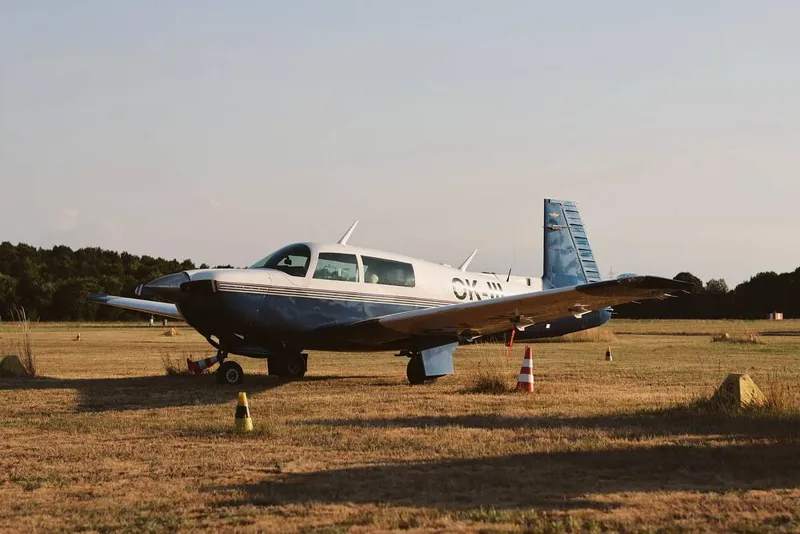
|
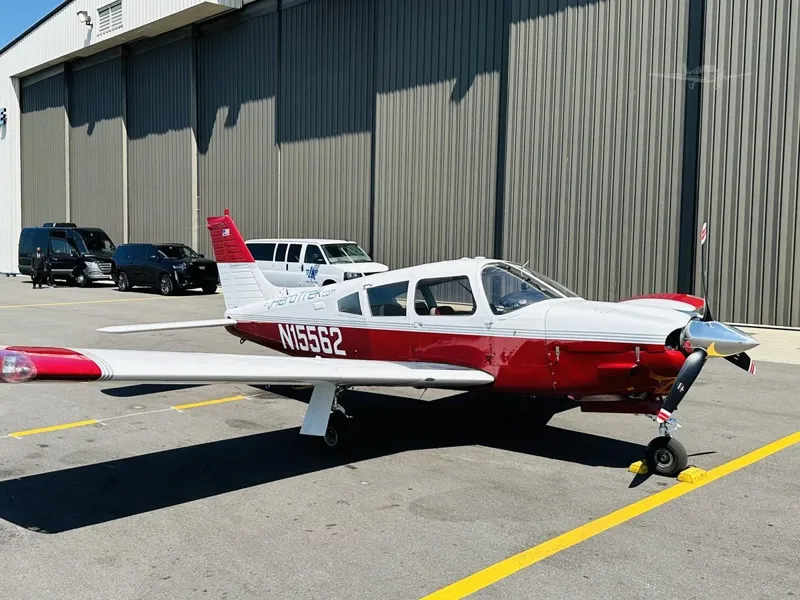
|
|
| Price Range | $96,250 – $234,955 | $79,053 – $243,250 |
| Category | Single Engine Piston | Single Engine Piston |
| Model Specifications | ||
| Seats | 4 | 4 |
| Horsepower | 200 HP | 200 HP |
| Cruise Speed | 161 kts (298 km/h) | 135 kts (250 km/h) |
| Range | 820 nm (1,519 km) | 720 nm (1,333 km) |
| Service Ceiling | 18,800 ft (5,730 m) | 15,400 ft (4,694 m) |
| Max Gross Weight | 2,740 lbs (1,243 kg) | 2,750 lbs (1,247 kg) |
| Useful Load | 900 lbs (408 kg) | 940 lbs (426 kg) |
| Fuel Capacity | 64.0 gal (242 L) | 72.0 gal (273 L) |
| Fuel Burn | 10.0 GPH (38 L/h) | 10.5 GPH (40 L/h) |
| TBO | 2,000 hrs | 2,000 hrs |
| Overhaul Cost | $30,000 | $30,000 |
| Annual Fixed | $18,000 | $18,000 |
| Hourly Variable | $140 | $145 |
| Engines | 1 x Piston | 1 x Piston |
Cost of Ownership
EstimateMooney 201
Piper Arrow
Which Should You Buy: Mooney 201 or Piper Arrow?
Bottom line: Choose the Arrow for a lower entry cost, a more active training-and-rental ecosystem, and the PA-28 platform's vastly larger maintenance base. Arrow mechanics exist at nearly every FBO; Mooney specialists are concentrated in certain regions and shops. The Arrow's automatic gear extension system (on early models) also reduces the gear-up risk for infrequent fliers. Choose the M20J if the 35 kt cruise speed advantage is worth the premium in purchase price, the Mooney-specific maintenance network, and the more demanding landing characteristics. Over a 500 nm trip the M20J arrives 25 minutes earlier at similar fuel cost. For a pilot who flies 300+ hours per year, that gap compounds quickly. Safety axis: the M20J's gear warning system (which sounds on power reduction below a certain RPM with gear up) is a well-designed gear-up prevention feature; the Arrow's early-model automatic gear extension is similar in concept but different in implementation. Both systems aim at the same problem — the Mooney's solution is simpler and less prone to unintended activation.
Pick the 201 if…
- Lower operating cost — ~$140/hr vs $145/hr.
- Faster cruise — 161 kts vs 135 kts.
- Longer range — 820 nm vs 720 nm.
- Newer design — production from 1977 vs 1967.
Pick the Arrow if…
- Budget matters — from $79,053 vs $96,250, you save ~$17,197.
- More inventory — 217 listings vs 9.
Auto-generated from current market data and published specs. Confirm with a pre-buy inspection and professional appraisal.