Cessna 177 vs Piper Arrow

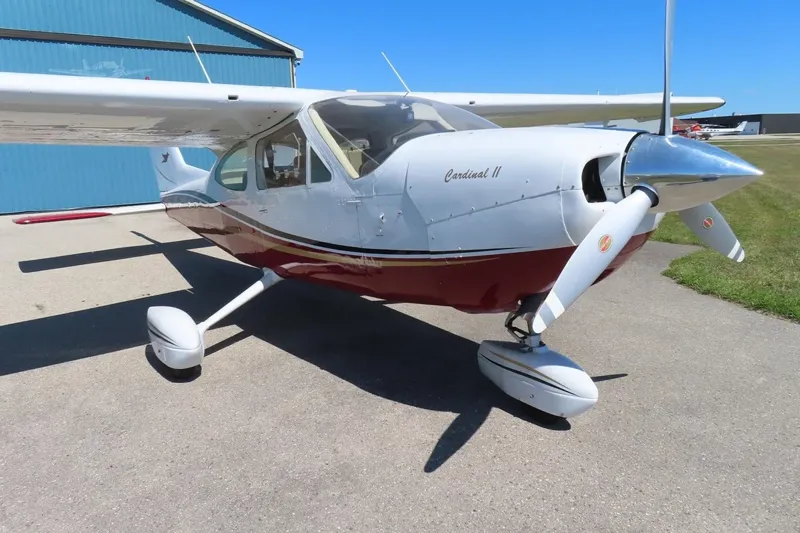
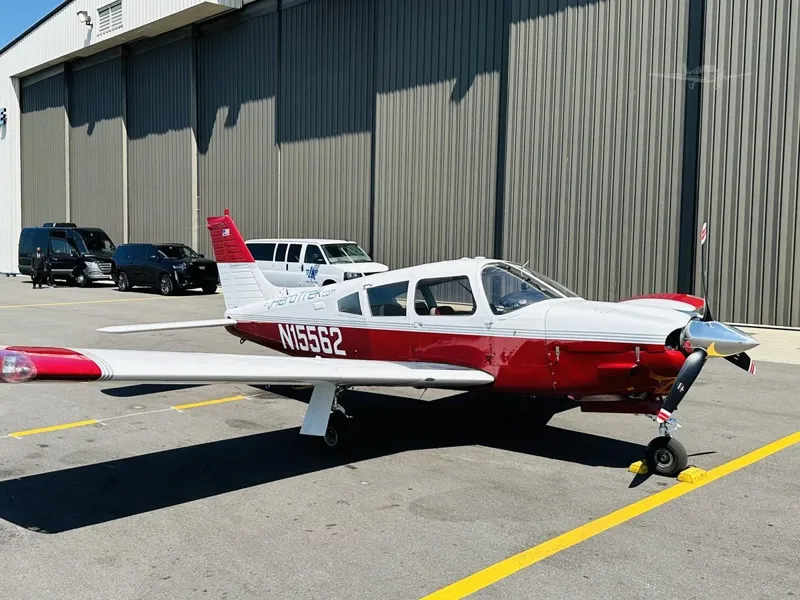
The Cessna 177 Cardinal (four-seat high-wing, ~135 kt depending on variant) and Piper Arrow PA-28R (four-seat low-wing retractable, ~135-140 kt) are similar-cruise but different-design four-seaters — the Cardinal is the cantilever-wing Cessna; the Arrow is the retractable Piper.

Live Market Snapshot

Current asking-price market, aggregated across multiple marketplaces · refreshed daily

Cessna 177
For sale now
71
Median asking
$134,500
Range
$91,273–$189,850
Listed on 2+ marketplaces
19
Source marketplaces
11
Model years available
1967–1978
Piper Arrow
For sale now
196
Median asking
$134,945
Range
$79,053–$243,250
Listed on 2+ marketplaces
71
Source marketplaces
15
Model years available
1967–2015

Live data from AeroGurus, aggregated daily across the used-aircraft market. Figures are current asking prices, not appraisals — confirm with a pre-buy inspection.

Safety Record

Absolute counts scale with fleet size — the most-produced types log more events without being less safe. Compare the % fatal.

NTSB (1982–now)Cessna 177Piper Arrow
All events766
Serious84
Fatal141
Fatalities281
% Fatal18%

Full Specs Comparison

Swipe to see all specs
Spec / Model Cessna 177 Piper Arrow
Cessna 177
View 34 listings →
Median $134,500
Piper Arrow
View 223 listings →
Median $134,945
Price Range $91,273 – $189,850 $79,053 – $243,250
Category Single Engine Piston Single Engine Piston
Model Specifications
Seats 4 4
Horsepower 150 HP 200 HP
Cruise Speed 120 kts (222 km/h) 135 kts (250 km/h)
Range 600 nm (1,111 km) 720 nm (1,333 km)
Service Ceiling 14,600 ft (4,450 m) 15,400 ft (4,694 m)
Max Gross Weight 2,350 lbs (1,066 kg) 2,750 lbs (1,247 kg)
Useful Load 900 lbs (408 kg) 940 lbs (426 kg)
Fuel Capacity 50.0 gal (189 L) 72.0 gal (273 L)
Fuel Burn 9.0 GPH (34 L/h) 10.5 GPH (40 L/h)
TBO 2,000 hrs 2,000 hrs
Overhaul Cost $32,000 $30,000
Annual Fixed $18,000 $18,000
Hourly Variable $150 $145
Engines 1 x Piston 1 x Piston

Cost of Ownership

Estimate

Cessna 177

Fuel$50/hr
Variable$150/hr
Annual Fixed$18,000/yr
Total (200 hrs/yr) $48,000/yr

Piper Arrow

Fuel$58/hr
Variable$145/hr
Annual Fixed$18,000/yr
Total (200 hrs/yr) $47,000/yr

Which Should You Buy: Cessna 177 or Piper Arrow?

Bottom line: Choose the Cardinal RG for the unique cantilever-wing Cessna character and high-wing visibility. Choose the Arrow for the Piper low-wing handling and the much larger Arrow support network (more units produced).

Pick the 177 if…

  • Newer design — production from 1968 vs 1967.

Pick the Arrow if…

  • Budget matters — from $79,053 vs $91,273, you save ~$12,220.
  • Lower operating cost — ~$145/hr vs $150/hr.
  • Faster cruise — 135 kts vs 120 kts.
  • Longer range — 720 nm vs 600 nm.
  • More inventory — 223 listings vs 34.

Auto-generated from current market data and published specs. Confirm with a pre-buy inspection and professional appraisal.

Frequently Asked Questions

What's the key difference between the Cessna 177 Cardinal and Piper Arrow?
Wing configuration and retractable-gear implementation. The Cessna 177RG Cardinal RG uses a Lycoming IO-360 (200 hp), a cantilever high wing (no struts), retractable gear, four seats, approximately 140–150 kt cruise. The Piper Arrow (PA-28R) uses a Lycoming IO-360 (~200 hp), a low wing, retractable gear with a semi-automatic extension system, four seats, approximately 140–145 kt cruise. Performance is similar; the defining difference is high-wing versus low-wing and the Arrow's automatic gear-extension feature.
Cardinal RG or Piper Arrow — which retractable?
Buy the Cardinal RG if the high-wing visibility, the cleaner strut-free wing, and the slightly different flight characteristics appeal. Buy the Arrow if its semi-automatic landing gear (which extends below a set speed/power threshold, helping prevent gear-up landings) is a valued safety feature, or the low-wing Piper handling tradition is preferred.
How significant is the Piper Arrow's automatic gear feature?
The Arrow's gear-extension interconnect was designed to reduce gear-up landing incidents — a common retractable-gear accident — by lowering the gear when airspeed and/or power drop below set thresholds. This is a genuine safety advantage over manual retractable systems including the Cardinal RG. For pilots transitioning to retractable gear, the Arrow's semi-automatic system provides a meaningful safety margin.
How do specs compare?
Cessna 177RG: Lycoming IO-360 (~200 hp), four seats, high-wing, retractable, ~140–150 kt. Piper Arrow II/III: Lycoming IO-360 (~200 hp), four seats, low-wing, retractable, ~140–145 kt.
Which is cheaper to maintain?
Both use similar Lycoming IO-360 engines and similar retractable-gear systems — annual maintenance costs are broadly comparable. The Cardinal RG's strut-free cantilever wing is structurally different but not specifically more expensive to maintain. Spare parts for both are available; the Arrow's higher production numbers give it slightly wider parts availability.
Which should I buy?
Arrow for the semi-automatic gear-extension safety feature, low-wing handling preference, and wider parts availability. Cardinal RG for the high-wing visibility, clean strut-free aesthetic, and a less common aircraft that stands out from the Arrow/Cherokee lineage. Performance is essentially equivalent — choose on handling preference and safety-feature priorities.
Which is better, Cessna 177 or Piper Arrow?
It depends on your mission and budget. The 177 cruises at 120 kts with 600 nm range. The Arrow cruises at 135 kts with 720 nm range. Review the specs table above to find which fits your flying profile.
How do prices compare?
Cessna 177: from $139,500. Piper Arrow: from $119,000. Prices vary by year, hours, avionics, and condition. Always get a pre-buy inspection.
What's the difference between Cessna 177 and Piper Arrow?
177 engine: LYCOMING O-320 (150 hp). Cruise: 120 vs 135 kts. Range: 600 vs 720 nm.
Which is cheaper to operate per hour?
177: about $150/hr variable cost. Arrow: about $145/hr variable cost. Variable cost includes fuel, reserves and overhaul accruals. Annual fixed costs (hangar, insurance, annual inspection) add to the total.
Which has more seats and useful load?
177: 4 seats / 900 lb useful load. Arrow: 4 seats / 940 lb useful load. Useful load = max gross weight minus empty weight; it determines how much fuel plus payload you can carry.
How does maintenance compare — TBO and overhaul cost?
177: 2,000-hour TBO, overhaul ~$32,000. Arrow: 2,000-hour TBO, overhaul ~$30,000. Reaching the time-between-overhaul (TBO) triggers a mandatory engine/airframe rebuild that affects resale value.
Disclaimer: All prices and cost estimates are from third-party sources for informational purposes only. Always obtain professional appraisal and inspection before purchase.
Prices updated daily · Data: FAA Registry, NTSB · About our data