
Learjet 55 vs Learjet 60
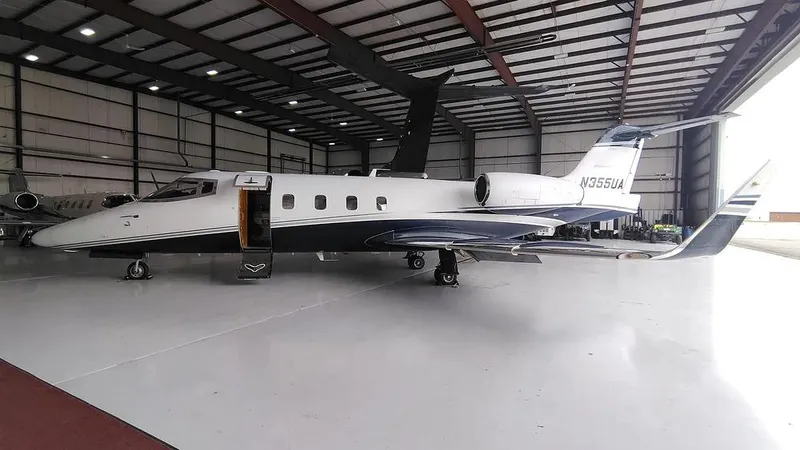
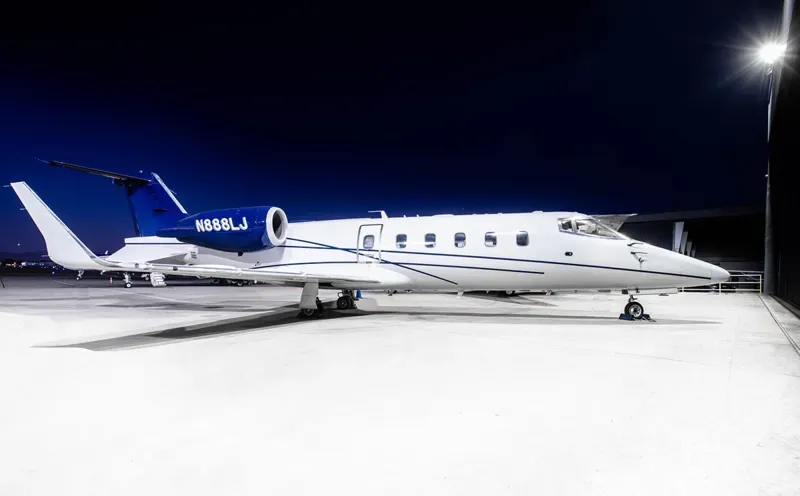
The Learjet 55 and the Learjet 60 represent two generations of the same design ambition: a Learjet with enough cabin for passengers to sit comfortably and enough range for serious cross-country missions. The Learjet 55 (1981–1986) broke from the classic narrow tube that defined the Learjet brand — introducing a wider cabin, stand-up headroom for average-height adults, and Garrett TFE731-3 turbofan engines in an aircraft that was genuinely bigger than anything Learjet had offered before. Its production run was short, ending in 1986; the 55C final variant addressed early service concerns but the program was discontinued. The Learjet 60 (1993) carried the 55's ambition forward — a stretched, re-engined design with Pratt & Whitney Canada PW305A turbofans, more range, improved cabin volume, and the 60 XR extended-range variant that refined it further through a production run lasting until approximately 2012. The 60 is the aircraft the 55 was trying to be.
Live Market Snapshot
Current asking-price market, aggregated across multiple marketplaces · re-checked on a rolling daily cycle
- For sale now
- 12
- Model years available
- 1981–1990
- For sale now
- 44
- Median asking
- $3,650,000
- Range
- $2,331,500–$4,975,000
- Model years available
- 1994–2013
Live data from AeroGurus, aggregated daily across the used-aircraft market. Figures are current asking prices, not appraisals — confirm with a pre-buy inspection.
Safety Record
Absolute counts scale with fleet size — the most-produced types log more events without being less safe. Compare the % fatal.
| NTSB (1982–now) | Learjet 55 | Learjet 60 |
|---|---|---|
| All events | 14 | 8 |
| Serious | 0 | 0 |
| Fatal | 4 | 0 |
| Fatalities | 18 | 0 |
| % Fatal | 29% | 0% |
Full Specs Comparison
| Spec / Model | Learjet 55 | Learjet 60 |
|---|---|---|
|
|
|
| Price Range | $431,000 – $1,055,000 | $2,331,500 – $4,975,000 |
| Category | Midsize Jet | Midsize Jet |
| Model Specifications | ||
| Seats | 10 | 10 |
| Cruise Speed | 430 kts (796 km/h) | 438 kts (811 km/h) |
| Range | 1,850 nm (3,426 km) | 2,405 nm (4,454 km) |
| Service Ceiling | 51,000 ft (15,545 m) | 51,000 ft (15,545 m) |
| Max Gross Weight | 21,500 lbs (9,752 kg) | 23,500 lbs (10,660 kg) |
| Useful Load | 5,200 lbs (2,359 kg) | 5,800 lbs (2,631 kg) |
| Fuel Capacity | 530.0 gal (2006 L) | 635.0 gal (2403 L) |
| Fuel Burn | 165.0 GPH (625 L/h) | 185.0 GPH (700 L/h) |
| TBO | 5,000 hrs | 5,000 hrs |
| Overhaul Cost | $400,000 | $450,000 |
| Annual Fixed | $350,000 | $380,000 |
| Hourly Variable | $2,600 | $2,800 |
| Engines | 2 x Turbofan | 2 x Turbofan |
Cost of Ownership
EstimateLearjet 55
Learjet 60
Which Should You Buy: Learjet 55 or Learjet 60?
Bottom line: Choose the Learjet 55 for the lowest acquisition cost into Learjet's wide-body family — 55s trade at a significant discount to Learjet 60s and offer the same basic wide-cabin proposition for owner-operators who fly shorter domestic routes and don't need the 60's extended range. The TFE731-3's MRO support infrastructure is mature and widespread. Choose the Learjet 60 for the complete package — PW305A engines with more thrust, more range, a larger preowned fleet with better parts availability than the discontinued 55, and a production history that provides more airframes in better average maintenance condition. Safety axis: the Learjet 55 fleet has a specific service bulletin and airworthiness directive history related to elevator control characteristics in certain conditions — Learjet issued SBs addressing these, and the vast majority of the surviving fleet is compliant. Any Learjet 55 purchase requires independent verification of full AD and SB compliance through pre-purchase inspection by a Learjet 55-qualified shop. This is not a casual due-diligence item; it is a type-specific requirement.
Pick the 55 if…
- Budget matters — from $431,000 vs $2,331,500, you save ~$1,900,500.
- Lower operating cost — ~$2600/hr vs $2800/hr.
Pick the 60 if…
- Faster cruise — 438 kts vs 430 kts.
- Longer range — 2405 nm vs 1850 nm.
- Newer design — production from 1993 vs 1981.
- More inventory — 43 listings vs 11.
Auto-generated from current market data and published specs. Confirm with a pre-buy inspection and professional appraisal.