
Learjet 45 vs Learjet 55
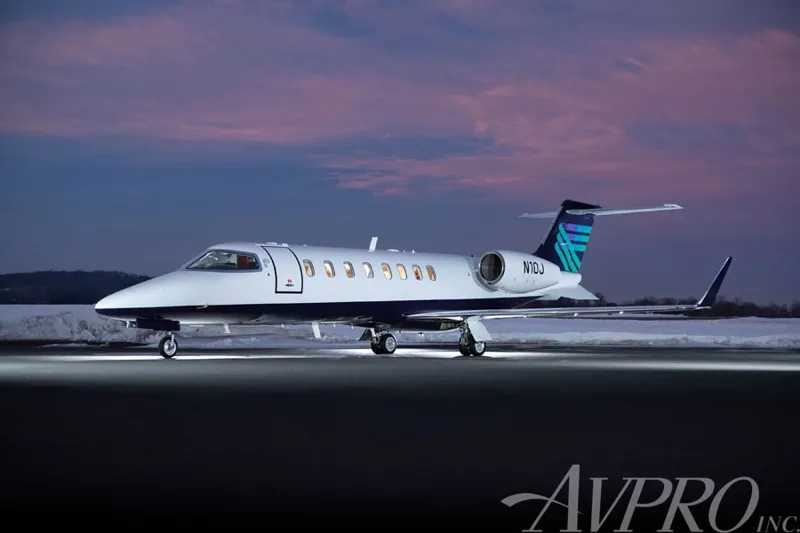
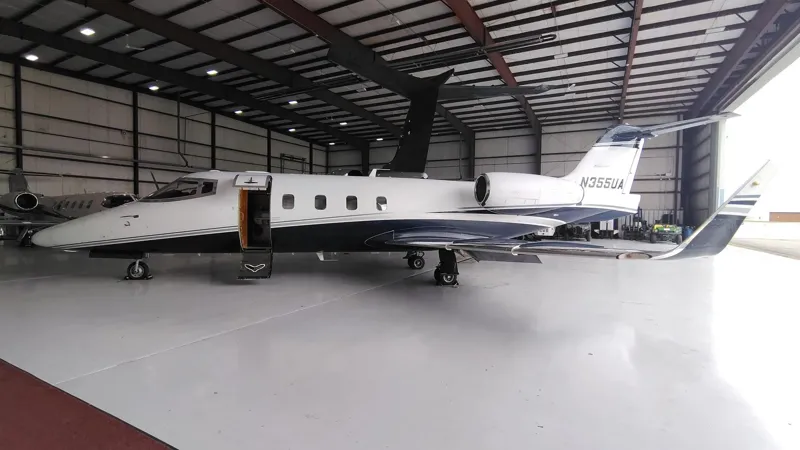
The Learjet 55 (1980) and Learjet 45 (1998) share nothing but the name and the spirit of flying fast. The Learjet 55 was the first large-cabin Learjet — an intentional departure from the brand's small-and-fast heritage — with a stretched fuselage (approximately 5'1" of headroom — generous by Learjet standards, 9-seat capacity), Garrett TFE731-3B-100B engines, and a range around 2,100 nm. It set Learjet on a path toward competing with the Falcon 50 and Hawker 700 in the medium cabin segment. The 45 arrived eighteen years later with a more modern fuselage, better avionics, and Honeywell engines — but with a cabin that's actually modestly smaller than the 55's. The cross-shop is old large-cabin versus new smaller-but-younger.
Live Market Snapshot
Current asking-price market, aggregated across multiple marketplaces · re-checked on a rolling daily cycle
- For sale now
- 75
- Median asking
- $2,347,500
- Range
- $1,796,750–$6,475,000
- Model years available
- 1999–2012
- For sale now
- 13
- Model years available
- 1981–1990
Live data from AeroGurus, aggregated daily across the used-aircraft market. Figures are current asking prices, not appraisals — confirm with a pre-buy inspection.
Safety Record
Absolute counts scale with fleet size — the most-produced types log more events without being less safe. Compare the % fatal.
| NTSB (1982–now) | Learjet 45 | Learjet 55 |
|---|---|---|
| All events | 16 | 14 |
| Serious | 1 | 0 |
| Fatal | 3 | 4 |
| Fatalities | 15 | 18 |
| % Fatal | 19% | 29% |
Full Specs Comparison
| Spec / Model | Learjet 45 | Learjet 55 |
|---|---|---|
|
|
|
| Price Range | $1,796,750 – $6,475,000 | $484,500 – $1,065,000 |
| Category | Light Jet | Midsize Jet |
| Model Specifications | ||
| Seats | 9 | 10 |
| Cruise Speed | 438 kts (811 km/h) | 430 kts (796 km/h) |
| Range | 2,120 nm (3,926 km) | 1,850 nm (3,426 km) |
| Service Ceiling | 51,000 ft (15,545 m) | 51,000 ft (15,545 m) |
| Max Gross Weight | 21,500 lbs (9,752 kg) | 21,500 lbs (9,752 kg) |
| Useful Load | 5,200 lbs (2,359 kg) | 5,200 lbs (2,359 kg) |
| Fuel Capacity | 575.0 gal (2176 L) | 530.0 gal (2006 L) |
| Fuel Burn | 170.0 GPH (643 L/h) | 165.0 GPH (625 L/h) |
| TBO | 5,000 hrs | 5,000 hrs |
| Overhaul Cost | $400,000 | $400,000 |
| Annual Fixed | $350,000 | $350,000 |
| Hourly Variable | $2,500 | $2,600 |
| Engines | 2 x Turbofan | 2 x Turbofan |
Cost of Ownership
EstimateLearjet 45
Learjet 55
Which Should You Buy: Learjet 45 or Learjet 55?
Bottom line: Choose the Learjet 55 for stand-up cabin access — the 55's approximately 5'1" cabin height lets shorter adults stand without the full crouch of a traditional Learjet — a real comfort differentiator the 45 cannot match. For executive transport where appearance and passenger experience matter, the 55's larger cabin presence is real. Choose the Learjet 45 for a more modern aircraft with better avionics, stronger engine support, and a newer design philosophy that reflects late-1990s certification standards rather than 1980 ones. The 45's Honeywell TFE731-20 engines also have a broader current-support ecosystem than the 55's Garrett TFE731-3. Safety axis: the Learjet 45's 1998 design incorporates crew-alerting standards and avionics integration that simply weren't required in 1980. Both require type ratings; both demand current proficiency. The 55's age means airframe inspection discipline — structural compliance for any 40+ year-old jet requires thorough pre-purchase review.
Pick the 45 if…
- Lower operating cost — ~$2500/hr vs $2600/hr.
- Faster cruise — 438 kts vs 430 kts.
- Longer range — 2120 nm vs 1850 nm.
- Newer design — production from 1997 vs 1981.
- More inventory — 65 listings vs 11.
Pick the 55 if…
- Budget matters — from $484,500 vs $1,796,750, you save ~$1,312,250.
- More seats — 10 vs 9.
Auto-generated from current market data and published specs. Confirm with a pre-buy inspection and professional appraisal.