
Learjet 45 vs Learjet 60
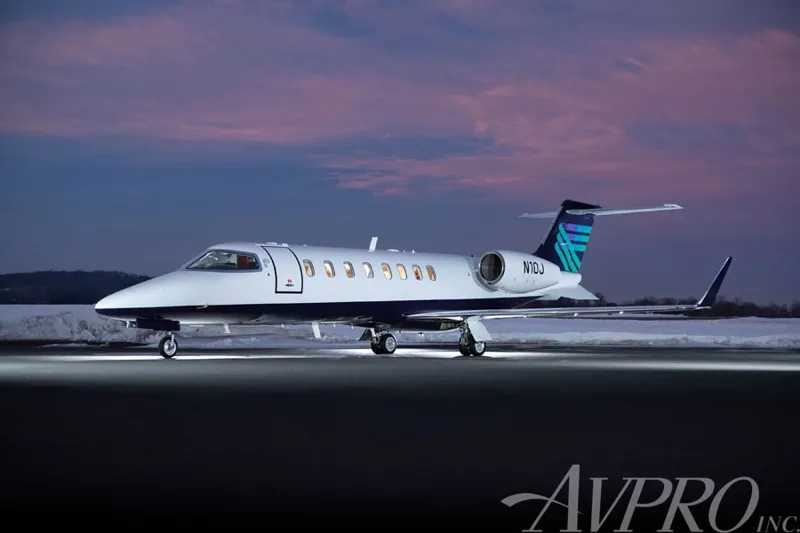
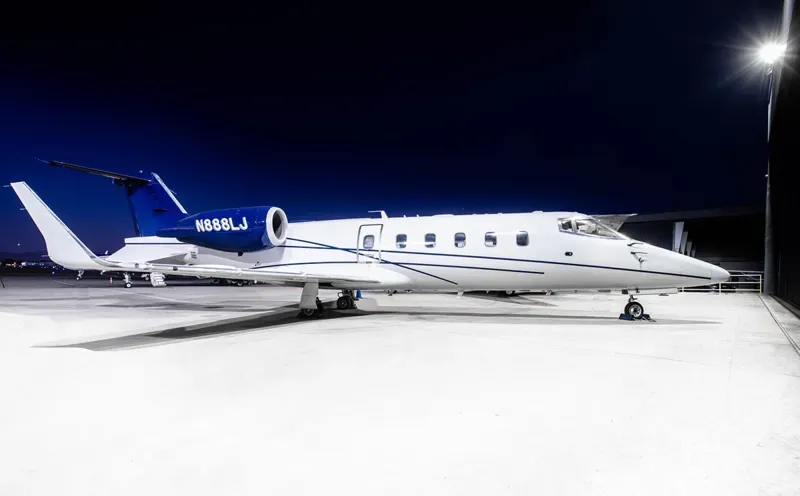
The Learjet 45 and the Learjet 60 are two of the last original Learjet designs — not variants of each other, but separate aircraft that Bombardier developed and produced under the same storied name. The Learjet 45 (1998 certification) was designed from a clean sheet to update the Learjet proposition: a wider cabin than the classic narrow-tube Learjets, two Honeywell TFE731-20 engines, and a certified range approaching 2,000 nm. It was intended to make the Learjet relevant to buyers who had grown weary of the original cabin's tight quarters. The Learjet 60 (1993 certification) took a different path — a re-engined and stretched Learjet 55 with Pratt & Whitney Canada PW305A engines, a longer-range fuel system, and the ability to complete coast-to-coast U.S. nonstop with a real payload. Both are midsize jets with the Learjet performance pedigree, but they serve different operator profiles and have distinct maintenance stories. The cross-shop is legitimate.
Live Market Snapshot
Current asking-price market, aggregated across multiple marketplaces · refreshed daily
- For sale now
- 61
- Median asking
- $2,345,000
- Range
- $1,761,250–$7,125,000
- Model years available
- 1999–2012
- For sale now
- 44
- Median asking
- $3,650,000
- Range
- $2,331,500–$4,975,000
- Model years available
- 1994–2013
Live data from AeroGurus, aggregated daily across the used-aircraft market. Figures are current asking prices, not appraisals — confirm with a pre-buy inspection.
Safety Record
Absolute counts scale with fleet size — the most-produced types log more events without being less safe. Compare the % fatal.
| NTSB (1982–now) | Learjet 45 | Learjet 60 |
|---|---|---|
| All events | 16 | 8 |
| Serious | 1 | 0 |
| Fatal | 3 | 0 |
| Fatalities | 15 | 0 |
| % Fatal | 19% | 0% |
Full Specs Comparison
| Spec / Model | Learjet 45 | Learjet 60 |
|---|---|---|
|
|
|
| Price Range | $1,761,250 – $7,125,000 | $2,331,500 – $4,975,000 |
| Category | Light Jet | Midsize Jet |
| Model Specifications | ||
| Seats | 9 | 10 |
| Cruise Speed | 438 kts (811 km/h) | 438 kts (811 km/h) |
| Range | 2,120 nm (3,926 km) | 2,405 nm (4,454 km) |
| Service Ceiling | 51,000 ft (15,545 m) | 51,000 ft (15,545 m) |
| Max Gross Weight | 21,500 lbs (9,752 kg) | 23,500 lbs (10,660 kg) |
| Useful Load | 5,200 lbs (2,359 kg) | 5,800 lbs (2,631 kg) |
| Fuel Capacity | 575.0 gal (2176 L) | 635.0 gal (2403 L) |
| Fuel Burn | 170.0 GPH (643 L/h) | 185.0 GPH (700 L/h) |
| TBO | 5,000 hrs | 5,000 hrs |
| Overhaul Cost | $400,000 | $450,000 |
| Annual Fixed | $350,000 | $380,000 |
| Hourly Variable | $2,500 | $2,800 |
| Engines | 2 x Turbofan | 2 x Turbofan |
Cost of Ownership
EstimateLearjet 45
Learjet 60
Which Should You Buy: Learjet 45 or Learjet 60?
Bottom line: Choose the Learjet 45 (or 45 XR extended range variant) for the TFE731 engine's extensive MRO support, the wider parts and maintenance base, and the ergonomics that made the 45's cabin more practical than the original Learjet experience. The 45's Primus 1000 avionics (or upgraded Garmin systems on many preowned aircraft) are supported by an active community, and the TFE731 has a massive installed base across business aviation that makes MRO access straightforward. Choose the Learjet 60 for more range — the PW305A engines and 60's fuel system give it the coast-to-coast capability that the 45 approaches but the 60 accomplishes more reliably — and for the seven-to-eight seat cabin that handles full loads more comfortably on longer missions. Safety axis: both the 45 and 60 are Part 25 twin jets with strong safety records requiring two pilots and type ratings. The Learjet 60 requires a separate type rating from the 45 — a pilot current on the 45 cannot legally fly the 60 without additional training and a separate practical test. Confirm type currency before evaluating either aircraft for acquisition.
Pick the 45 if…
- Budget matters — from $1,761,250 vs $2,331,500, you save ~$570,250.
- Lower operating cost — ~$2500/hr vs $2800/hr.
- Newer design — production from 1997 vs 1993.
- More inventory — 61 listings vs 43.
Pick the 60 if…
- More seats — 10 vs 9.
- Longer range — 2405 nm vs 2120 nm.
Auto-generated from current market data and published specs. Confirm with a pre-buy inspection and professional appraisal.