
Cirrus Vision SF50 vs Honda HondaJet
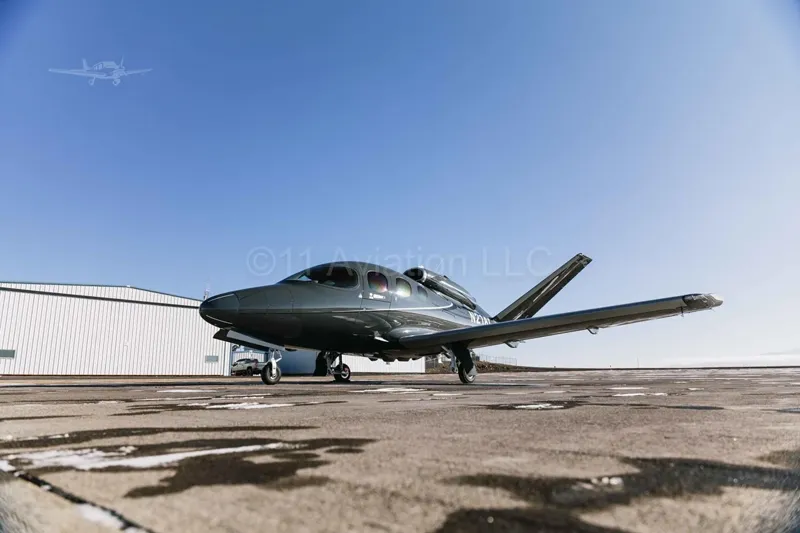
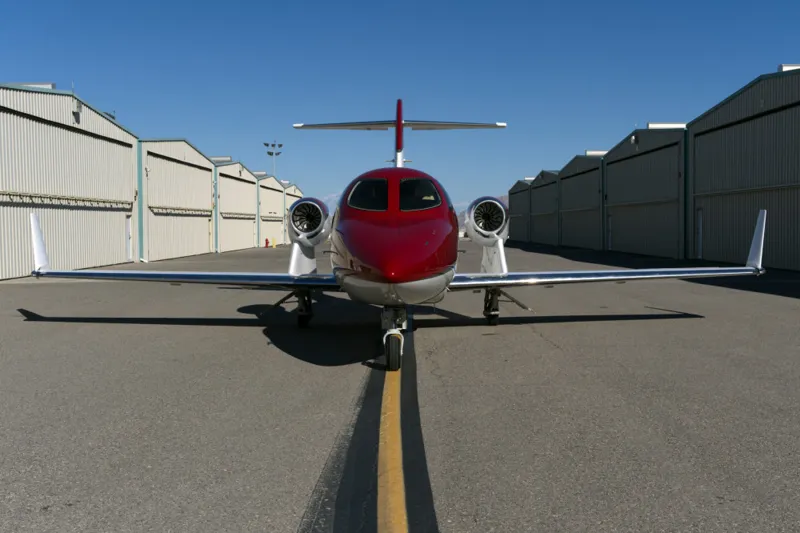
The HondaJet and the Cirrus Vision Jet (SF50) are the two single-pilot personal jets owner-flyers actually put side by side — and the Honda jet and the Cirrus jet answer the same brief in opposite ways. The HondaJet is a twin-engine speedster with distinctive over-the-wing turbofans and a cruise among the fastest in the very-light-jet class; the Vision Jet is a single-engine jet built around a whole-airframe parachute, and the natural step up for a Cirrus piston owner. One leans on raw performance and a second engine, the other on a safety net no twin offers and lower running costs. See what each is selling for, and how many, below.
Live Market Snapshot
Current asking-price market, aggregated across multiple marketplaces · refreshed daily
- For sale now
- 42
- Median asking
- $2,999,950
- Range
- $1,035,000–$3,599,965
- Listed on 2+ marketplaces
- 24
- Source marketplaces
- 10
- Model years available
- 2016–2025
- For sale now
- 39
- Listed on 2+ marketplaces
- 18
- Source marketplaces
- 6
- Model years available
- 2016–2023
Live data from AeroGurus, aggregated daily across the used-aircraft market. Figures are current asking prices, not appraisals — confirm with a pre-buy inspection.
Full Specs Comparison
| Spec / Model | Cirrus Vision SF50 | Honda HondaJet |
|---|---|---|
|
|
|
| Price Range | $1,035,000 – $3,599,965 | $2,779,000 – $4,539,000 |
| Category | Very Light Jet | Very Light Jet |
| Model Specifications | ||
| Seats | 7 | 7 |
| Cruise Speed | 311 kts (576 km/h) | 422 kts (782 km/h) |
| Range | 1,200 nm (2,222 km) | 1,437 nm (2,661 km) |
| Service Ceiling | 31,000 ft (9,449 m) | 43,000 ft (13,106 m) |
| Max Gross Weight | 6,040 lbs (2,740 kg) | 10,700 lbs (4,854 kg) |
| Useful Load | 2,180 lbs (989 kg) | 3,280 lbs (1,488 kg) |
| Fuel Capacity | 296.0 gal (1120 L) | 292.0 gal (1105 L) |
| Fuel Burn | 50.0 GPH (189 L/h) | 95.0 GPH (360 L/h) |
| TBO | 4,000 hrs | 3,500 hrs |
| Overhaul Cost | $250,000 | $250,000 |
| Annual Fixed | $200,000 | $250,000 |
| Hourly Variable | $950 | $1,400 |
| Engines | 1 x Turbofan | 2 x Turbofan |
Cost of Ownership
EstimateCirrus Vision SF50
Honda HondaJet
Which Should You Buy: Cirrus Vision SF50 or Honda HondaJet?
Bottom line: Go with the HondaJet for genuine jet performance — two engines, a ~420-knot cruise and a higher ceiling — and for the engine-out redundancy a second turbofan brings. Go with the SF50 Vision Jet for lower single-engine operating costs, an easy transition from pistons, and a safety philosophy all its own. That contrast is sharpest on safety: the HondaJet meets engine failure with a second engine, while the SF50 meets it with CAPS — a whole-airframe parachute — plus Garmin's Safe Return emergency autoland, which lets a passenger land the aircraft at the push of a button. Two answers to one question: how much jet you need, and what kind of safety net you want behind it.
Pick the Vision SF50 if…
- Budget matters — from $1,035,000 vs $2,779,000, you save ~$1,744,000.
- Lower operating cost — ~$950/hr vs $1400/hr.
- Newer design — production from 2016 vs 2015.
- More inventory — 53 listings vs 36.
Pick the HondaJet if…
- Faster cruise — 422 kts vs 311 kts.
- Longer range — 1437 nm vs 1200 nm.
Auto-generated from current market data and published specs. Confirm with a pre-buy inspection and professional appraisal.