
Cessna 172 vs Cessna 185
Both aircraft share the Cessna high-wing DNA, but little else. The Cessna 185 Skywagon is a purpose-built utility hauler — a 300 hp Continental IO-520, heavy-duty airframe, and the ability to carry nearly 1,500 lb of useful load in float-equipped or rough-strip configuration. It's Alaska's airplane, the bush pilot's Cessna, a tailwheel machine built for environments where pavement is optional. The 172 Skyhawk is the world's most popular trainer — smooth, docile, and optimized for airports, flight schools, and Sunday afternoon flights to the $100 hamburger. Cross-shoppers arrive from two directions: new pilots wondering if the 185's reputation is worth the premium, and utility operators scanning for the most capable Cessna single they can justify.
Live Market Snapshot
Current asking-price market, aggregated across multiple marketplaces · refreshed daily
- For sale now
- 421
- Median asking
- $134,231
- Range
- $61,563–$324,965
- Model years available
- 1956–2026
- For sale now
- 70
- Median asking
- $280,000
- Range
- $189,000–$429,900
- Model years available
- 1961–1985
Live data from AeroGurus, aggregated daily across the used-aircraft market. Figures are current asking prices, not appraisals — confirm with a pre-buy inspection.
Generations Breakdown
Per-generation specs — engine/weight/performance differ materially across production eras.
Per-era “For sale” counts exclude listings with unspecified year and separate variants (RG retractable, Hawk XP), so they may not sum to the total above.
Cessna 172 — 3 generations
| Generation | Years | Engine | MTOW | Cruise | Range | For sale |
|---|---|---|---|---|---|---|
| 172 Continental | 1956–1967 | O-300 | 2300 | 118 | 520 | 137 |
| 172 O-320 150hp | 1968–1976 | O-320-E2D | 2300 | 120 | 585 | 128 |
| 172 O-320 160hp | 1977–1986 | O-320-H2AD/D2J | 2400 | 122 | 585 | 103 |
Cessna 185 — 0 generations
| Generation | Years | Engine | MTOW | Cruise | Range | For sale |
|---|
Safety Record
Absolute counts scale with fleet size — the most-produced types log more events without being less safe. Compare the % fatal.
| NTSB (1982–now) | Cessna 172 | Cessna 185 |
|---|---|---|
| All events | 6810 | 476 |
| Serious | 542 | 23 |
| Fatal | 960 | 43 |
| Fatalities | 1802 | 93 |
| % Fatal | 14% | 9% |
Full Specs Comparison
| Spec / Model | Cessna 172 | Cessna 185 |
|---|---|---|
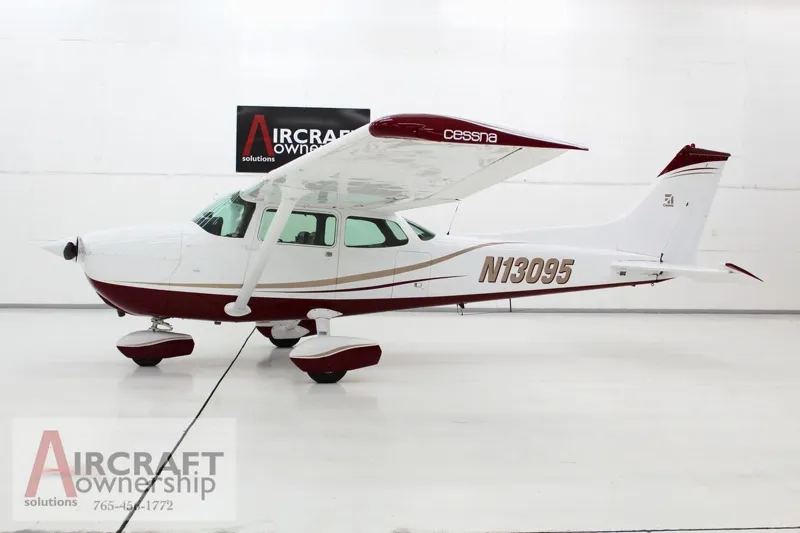
|
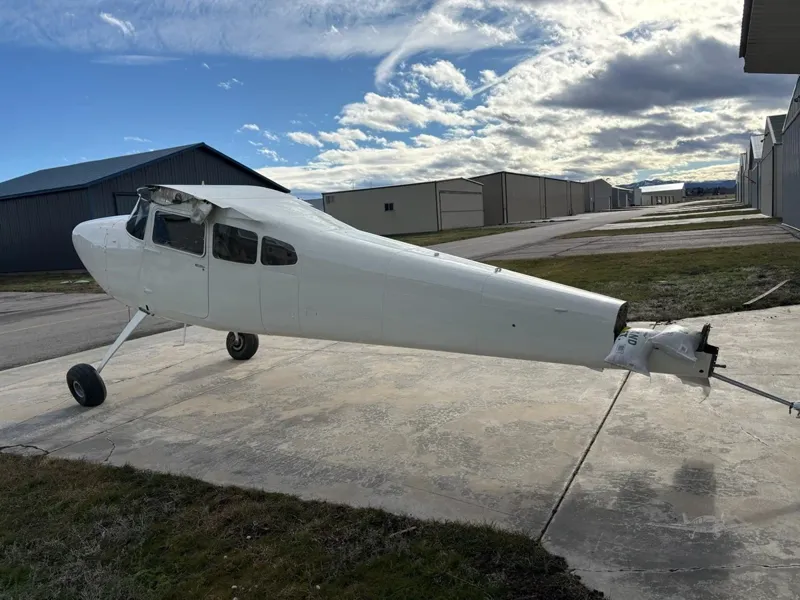
|
|
| Price Range | $61,563 – $324,965 | $189,000 – $429,900 |
| Category | Single Engine Piston | Single Engine Piston |
| Model Specifications | ||
| Seats | 4 | 6 |
| Horsepower | 145–160 HP | 300 HP |
| Cruise Speed | 118–122 kts (226 km/h) | 145 kts (269 km/h) |
| Range | 520–585 nm (1,083 km) | 720 nm (1,333 km) |
| Service Ceiling | 14,000 ft (4,267 m) | 17,150 ft (5,227 m) |
| Max Gross Weight | 2300–2,400 lbs (1,089 kg) | 3,350 lbs (1,520 kg) |
| Useful Load | 878 lbs (398 kg) | 1,440 lbs (653 kg) |
| Fuel Capacity | 56.0 gal (212 L) | 84.0 gal (318 L) |
| Fuel Burn | 8.6 GPH (33 L/h) | 15.5 GPH (59 L/h) |
| TBO | 1,400 hrs | 1,700 hrs |
| Overhaul Cost | $30,000 | $35,000 |
| Annual Fixed | $18,000 | $22,000 |
| Hourly Variable | $130 | $175 |
| Engines | 1 x Piston | 1 x Piston |
Cost of Ownership
EstimateCessna 172
Cessna 185
Which Should You Buy: Cessna 172 or Cessna 185?
Bottom line: Choose the Skyhawk for training, rental, flight school operations, or any mission where predictable handling, low operating cost, and a massive maintenance base outweigh raw hauling capacity. The 172's gentle stall characteristics and benign crosswind handling make it the right choice for developing pilots and low-stress utility work. Choose the Skywagon when payload, rough-field access, or float/ski operations define the mission. The 185's torque demands better tailwheel discipline — and in tailwheel configuration, a tailwheel endorsement — but rewards the skilled pilot with capability the Skyhawk simply cannot replicate. Safety axis: the Cessna 185 in tailwheel configuration demands respect during ground operations — torque on takeoff roll and the classic groundloop tendency of conventional gear require active rudder discipline absent in the 172's tricycle setup. Float and backcountry operations introduce additional terrain and environment considerations that the Skyhawk's typical mission envelope doesn't encounter.
Pick the 172 if…
- Budget matters — from $61,563 vs $189,000, you save ~$127,437.
- Lower operating cost — ~$130/hr vs $175/hr.
- More inventory — 163 listings vs 17.
Pick the 185 if…
- More seats — 6 vs 4.
- Faster cruise — 145 kts vs 118 kts.
- Longer range — 720 nm vs 518 nm.
- Newer design — production from 1961 vs 1956.
Auto-generated from current market data and published specs. Confirm with a pre-buy inspection and professional appraisal.