
Cessna 182 vs Piper Seneca
The Piper PA-34 Seneca and Cessna 182 Skylane address a similar mission — four-to-six passengers on IFR touring routes — but they answer the question with fundamentally different propositions. The 182 Skylane is the high-wing fixed-gear single: 230 hp, four seats, and a safety record and maintenance ecosystem that has few equals in light aviation. The Seneca is a twin-engine low-wing aircraft with 200 hp per side, five to six seats, and the redundancy that two engines provide. The buyer who is seriously considering both is at a crossroads: simplicity and low cost versus cabin size and twin-engine peace of mind.
Live Market Snapshot
Current asking-price market, aggregated across multiple marketplaces · refreshed daily
- For sale now
- 489
- Median asking
- $218,897
- Range
- $104,725–$564,768
- Listed on 2+ marketplaces
- 167
- Source marketplaces
- 21
- Model years available
- 1956–2026
- For sale now
- 111
- Median asking
- $227,990
- Range
- $89,465–$640,128
- Listed on 2+ marketplaces
- 39
- Source marketplaces
- 11
- Model years available
- 1967–2023
Live data from AeroGurus, aggregated daily across the used-aircraft market. Figures are current asking prices, not appraisals — confirm with a pre-buy inspection.
Generations Breakdown
Per-generation specs — engine/weight/performance differ materially across production eras.
Per-era “For sale” counts exclude listings with unspecified year and separate variants (RG retractable, Hawk XP), so they may not sum to the total above.
Cessna 182 — 4 generations
| Generation | Years | Engine | MTOW | Cruise | Range | For sale |
|---|---|---|---|---|---|---|
| 182 Continental (early) | 1956–1976 | O-470-L/R | 2650 | 140 | 640 | 209 |
| 182 Continental (late) | 1977–1986 | O-470-U | 3100 | 142 | 700 | 82 |
| T182 Turbo | 1981–1986 | TIO-540-AK1A | 3100 | 158 | 970 | 49 |
| 182 Lycoming | 1997–now | IO-540-AB1A5 | 3100 | 145 | 930 | 166 |
Piper Seneca — 0 generations
| Generation | Years | Engine | MTOW | Cruise | Range | For sale |
|---|
Safety Record
Absolute counts scale with fleet size — the most-produced types log more events without being less safe. Compare the % fatal.
| NTSB (1982–now) | Cessna 182 | Piper Seneca |
|---|---|---|
| All events | 2779 | 2 |
| Serious | 249 | 0 |
| Fatal | 529 | 0 |
| Fatalities | 1000 | 0 |
| % Fatal | 19% | 0% |
Full Specs Comparison
| Spec / Model | Cessna 182 | Piper Seneca |
|---|---|---|
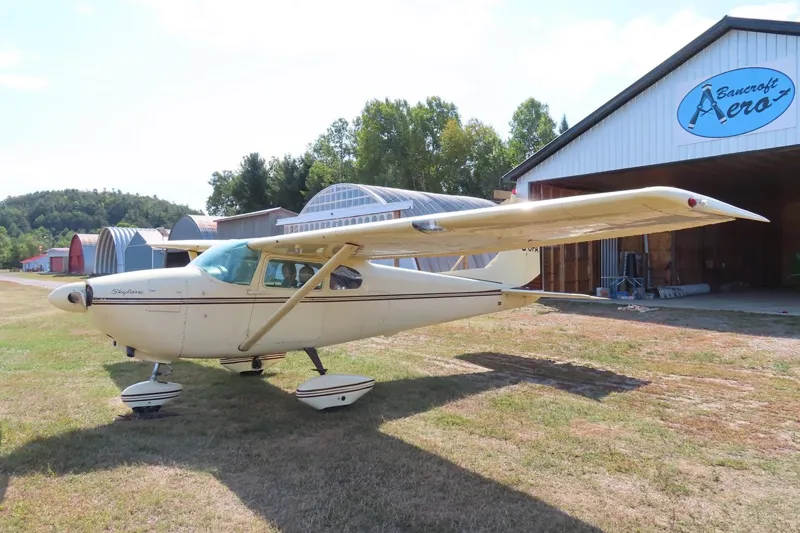
|
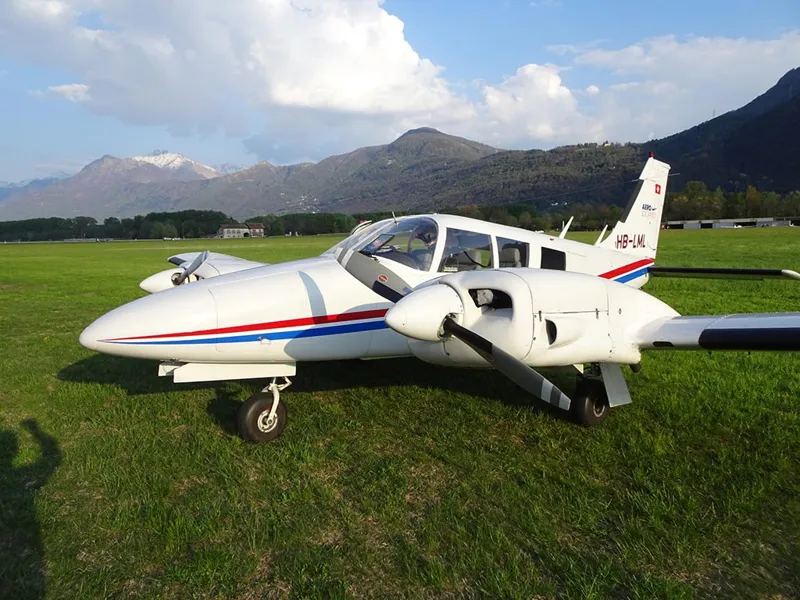
|
|
| Price Range | $104,725 – $564,768 | $89,465 – $640,128 |
| Category | Single Engine Piston | Multi Engine Piston |
| Model Specifications | ||
| Seats | 4 | 6 |
| Horsepower | 230–235 HP | 220 HP |
| Cruise Speed | 140–158 kts (293 km/h) | 180 kts (333 km/h) |
| Range | 640–970 nm (1,796 km) | 750 nm (1,389 km) |
| Service Ceiling | 18,100 ft (5,517 m) | 25,000 ft (7,620 m) |
| Max Gross Weight | 2650–3,100 lbs (1,406 kg) | 4,750 lbs (2,155 kg) |
| Useful Load | 1,110 lbs (503 kg) | 1,590 lbs (721 kg) |
| Fuel Capacity | 92.0 gal (348 L) | 123.0 gal (466 L) |
| Fuel Burn | 12.5 GPH (47 L/h) | 22.0 GPH (83 L/h) |
| TBO | 1,700 hrs | 1,800 hrs |
| Overhaul Cost | $32,000 | $40,000 |
| Annual Fixed | $20,000 | $25,000 |
| Hourly Variable | $160 | $280 |
| Engines | 1 x Piston | 2 x Piston (Turbocharged) |
Cost of Ownership
EstimateCessna 182
Piper Seneca
Which Should You Buy: Cessna 182 or Piper Seneca?
Bottom line: Choose the 182 Skylane for the lowest total ownership cost and the cleanest, most risk-free operating model — ~11 gph, a massive maintenance base, fixed gear, and no multi-engine currency to maintain. For four people on trips under 600 nm, the 182 handles the mission without the additional complexity or cost the Seneca imposes. Choose the Seneca when six seats, Part 135 twin-engine requirements, or the psychological and practical redundancy of two engines changes the risk calculation. The Seneca V still in production provides modern avionics and genuine twin-engine operational security. Safety axis: the Seneca's twin advantage is most meaningful over water, at night in IMC over unsurvivable terrain, or in commercial operations where charter regulations specify twin-engine aircraft. For VFR day local flying, the 182's fixed gear and simpler systems represent a lower-risk profile for occasional pilots. The twin only earns its safety premium through proper training currency.
Pick the 182 if…
- Lower operating cost — ~$160/hr vs $280/hr.
Pick the Seneca if…
- Budget matters — from $89,465 vs $104,725, you save ~$15,260.
- More seats — 6 vs 4.
- Faster cruise — 180 kts vs 140 kts.
- Longer range — 750 nm vs 640 nm.
- Newer design — production from 1972 vs 1956.
- More inventory — 114 listings vs 102.
Auto-generated from current market data and published specs. Confirm with a pre-buy inspection and professional appraisal.