
Cessna 182 vs Cessna P210
The Cessna P210 Centurion occupies a unique slot in piston aviation: it was the only pressurized single-engine aircraft Cessna produced, and for a long period one of very few pressurized single-engine piston aircraft in production anywhere. The 182 Skylane is its lineage cousin — same manufacturer, similar four-seat touring mission, same high-wing layout — but without pressurization, roughly 40 knots slower in cruise, and at a purchase price that makes the P210 feel like a fundamentally different aircraft tier. The cross-shop surfaces when a Skylane pilot starts asking "what happens above 12,500 feet?"
Live Market Snapshot
Current asking-price market, aggregated across multiple marketplaces · refreshed daily
- For sale now
- 489
- Median asking
- $218,897
- Range
- $104,725–$564,768
- Model years available
- 1956–2026
- For sale now
- 25
- Median asking
- $557,500
- Range
- $207,750–$956,175
- Model years available
- 1978–1982
Live data from AeroGurus, aggregated daily across the used-aircraft market. Figures are current asking prices, not appraisals — confirm with a pre-buy inspection.
Generations Breakdown
Per-generation specs — engine/weight/performance differ materially across production eras.
Per-era “For sale” counts exclude listings with unspecified year and separate variants (RG retractable, Hawk XP), so they may not sum to the total above.
Cessna 182 — 4 generations
| Generation | Years | Engine | MTOW | Cruise | Range | For sale |
|---|---|---|---|---|---|---|
| 182 Continental (early) | 1956–1976 | O-470-L/R | 2650 | 140 | 640 | 216 |
| 182 Continental (late) | 1977–1986 | O-470-U | 3100 | 142 | 700 | 86 |
| T182 Turbo | 1981–1986 | TIO-540-AK1A | 3100 | 158 | 970 | 50 |
| 182 Lycoming | 1997–now | IO-540-AB1A5 | 3100 | 145 | 930 | 165 |
Cessna P210 — 0 generations
| Generation | Years | Engine | MTOW | Cruise | Range | For sale |
|---|
Safety Record
Absolute counts scale with fleet size — the most-produced types log more events without being less safe. Compare the % fatal.
| NTSB (1982–now) | Cessna 182 | Cessna P210 |
|---|---|---|
| All events | 2779 | 257 |
| Serious | 249 | 39 |
| Fatal | 529 | 73 |
| Fatalities | 1000 | 152 |
| % Fatal | 19% | 28% |
Full Specs Comparison
| Spec / Model | Cessna 182 | Cessna P210 |
|---|---|---|
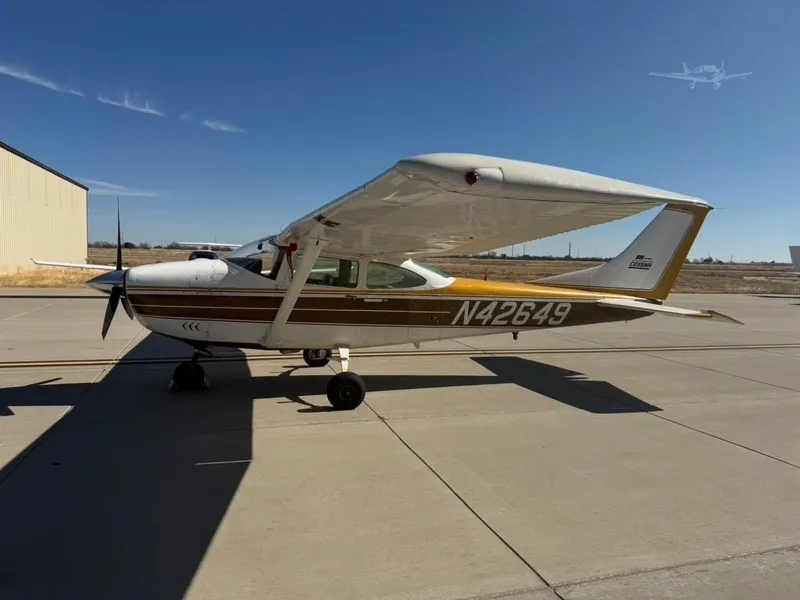
|
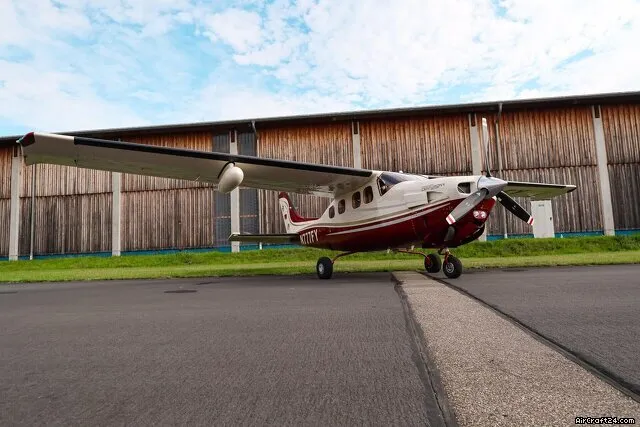
|
|
| Price Range | $104,725 – $564,768 | $207,750 – $956,175 |
| Category | Single Engine Piston | Single Engine Piston |
| Model Specifications | ||
| Seats | 4 | 6 |
| Horsepower | 230–235 HP | 310 HP |
| Cruise Speed | 140–158 kts (293 km/h) | 180 kts (333 km/h) |
| Range | 640–970 nm (1,796 km) | 850 nm (1,574 km) |
| Service Ceiling | 18,100 ft (5,517 m) | 23,000 ft (7,010 m) |
| Max Gross Weight | 2650–3,100 lbs (1,406 kg) | 4,000 lbs (1,814 kg) |
| Useful Load | 1,110 lbs (503 kg) | 1,200 lbs (544 kg) |
| Fuel Capacity | 92.0 gal (348 L) | 90.0 gal (341 L) |
| Fuel Burn | 12.5 GPH (47 L/h) | 16.0 GPH (61 L/h) |
| TBO | 1,700 hrs | 1,800 hrs |
| Overhaul Cost | $32,000 | $35,000 |
| Annual Fixed | $20,000 | $22,000 |
| Hourly Variable | $160 | $190 |
| Engines | 1 x Piston | 1 x Piston (Turbocharged) |
Cost of Ownership
EstimateCessna 182
Cessna P210
Which Should You Buy: Cessna 182 or Cessna P210?
Bottom line: Choose the 182 for accessible, well-supported touring with a large maintenance base, reasonable operating costs, and a forgiving airplane that doesn't demand high-altitude proficiency. For pilots who stay below 10,000 ft, the 182's advantages are real: simpler systems, lower avgas burn (~11 gph vs ~18–22 gph for the P210), and far more mechanics familiar with the airframe. Choose the P210 if you need pressurized cabin comfort at altitude — flying oxygen-free at FL200 in weather that the Skylane would need to go around. The speed advantage is real (roughly 190 kt vs 148 kt), and the ability to use high-altitude ATC routing with cabin pressure makes a genuine difference in long-distance travel. Safety axis: the P210's pressurization system adds a class of failure risk that doesn't exist in the 182 — pressurization seals, pressure controllers, and turbocharger over-boost management all require diligent oversight. An unpressurized engine failure at FL200 is also a more urgent emergency than one at 8,000 ft. The Skylane, unpressurized and typically flown lower, is a fundamentally simpler risk profile.
Pick the 182 if…
- Budget matters — from $104,725 vs $207,750, you save ~$103,025.
- Lower operating cost — ~$160/hr vs $190/hr.
- More inventory — 106 listings vs 13.
Pick the P210 if…
- More seats — 6 vs 4.
- Faster cruise — 180 kts vs 140 kts.
- Longer range — 850 nm vs 640 nm.
- Newer design — production from 1978 vs 1956.
Auto-generated from current market data and published specs. Confirm with a pre-buy inspection and professional appraisal.