
Cessna 177 vs Cessna 180
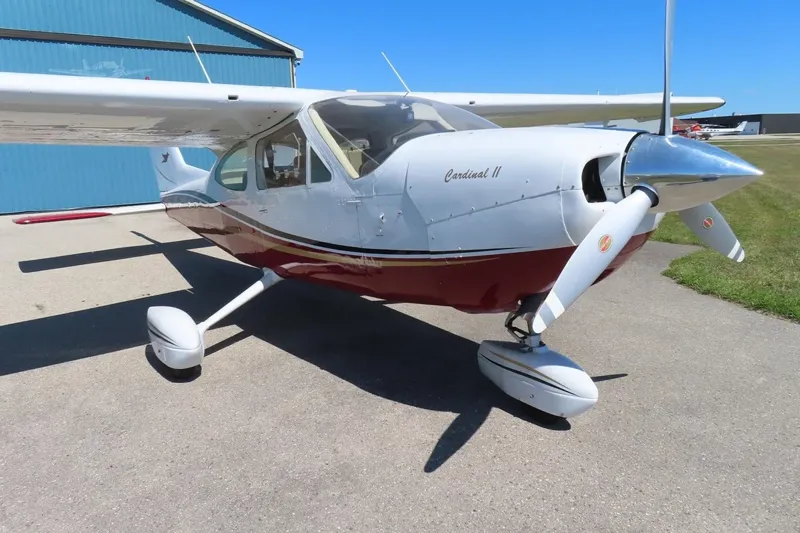
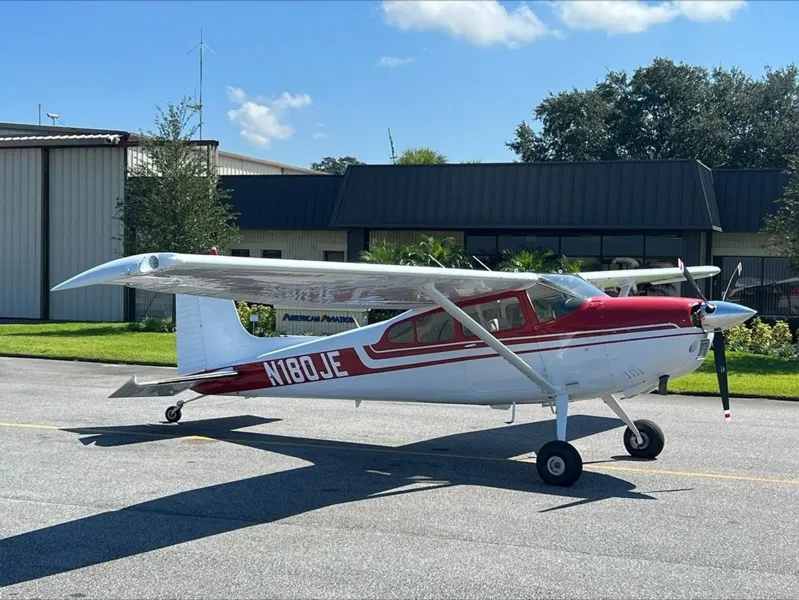
The Cessna 177 Cardinal and the Cessna 180 Skywagon are both high-wing Cessnas from the same era with radically different personalities. The Cardinal (1967–1978) was Cessna's modernist experiment — a cantilever wing without the iconic strut, a wider cabin with a sliding door, and a roofline that looked more like a contemporary car than an airplane. Cessna designed it to replace the 172 and nearly killed the program in year one when early 150 hp variants struggled to climb; the later 177B with the 180 hp Lycoming O-360 resolved that problem and earned the Cardinal a devoted following. The Cessna 180 Skywagon (1953–1981) was the opposite of all that — a rugged, tailwheel-equipped utility hauler with a Continental O-470, serious useful load, and the unpretentious purpose of moving people and things into and out of places other Cessnas wouldn't go. The cross-shop happens when a buyer wants a vintage high-wing Cessna that does something the other genuinely cannot.
Live Market Snapshot
Current asking-price market, aggregated across multiple marketplaces · refreshed daily
- For sale now
- 71
- Median asking
- $134,500
- Range
- $91,273–$189,850
- Model years available
- 1967–1978
- For sale now
- 50
- Median asking
- $180,000
- Range
- $121,500–$304,430
- Model years available
- 1953–1981
Live data from AeroGurus, aggregated daily across the used-aircraft market. Figures are current asking prices, not appraisals — confirm with a pre-buy inspection.
Safety Record
Absolute counts scale with fleet size — the most-produced types log more events without being less safe. Compare the % fatal.
| NTSB (1982–now) | Cessna 177 | Cessna 180 |
|---|---|---|
| All events | 766 | 1114 |
| Serious | 84 | 51 |
| Fatal | 141 | 87 |
| Fatalities | 281 | 166 |
| % Fatal | 18% | 8% |
Full Specs Comparison
| Spec / Model | Cessna 177 | Cessna 180 |
|---|---|---|
|
|
|
| Price Range | $91,273 – $189,850 | $121,500 – $304,430 |
| Category | Single Engine Piston | Single Engine Piston |
| Model Specifications | ||
| Seats | 4 | 4 |
| Horsepower | 150 HP | 230 HP |
| Cruise Speed | 120 kts (222 km/h) | 140 kts (259 km/h) |
| Range | 600 nm (1,111 km) | 700 nm (1,296 km) |
| Service Ceiling | 14,600 ft (4,450 m) | 20,000 ft (6,096 m) |
| Max Gross Weight | 2,350 lbs (1,066 kg) | 2,650 lbs (1,202 kg) |
| Useful Load | 900 lbs (408 kg) | 1,400 lbs (635 kg) |
| Fuel Capacity | 50.0 gal (189 L) | 60.0 gal (227 L) |
| Fuel Burn | 9.0 GPH (34 L/h) | 12.0 GPH (45 L/h) |
| TBO | 2,000 hrs | 1,700 hrs |
| Overhaul Cost | $32,000 | $30,000 |
| Annual Fixed | $18,000 | $18,000 |
| Hourly Variable | $150 | $155 |
| Engines | 1 x Piston | 1 x Piston |
Cost of Ownership
EstimateCessna 177
Cessna 180
Which Should You Buy: Cessna 177 or Cessna 180?
Bottom line: Choose the Cessna 177 Cardinal for the wider, more comfortable cabin and tricycle gear — the Cardinal's cantilever wing gives it cleaner lines, and the sliding door makes entry and exit more natural than a conventional Cessna. The later 177B with the O-360 is the one to buy: adequate climb, 130 kt cruise, and the Cardinal's aesthetic without the early model's performance apology. Choose the Cessna 180 Skywagon for payload and versatility — the 180's Continental O-470 and higher gross weight give it genuine useful load for four adults with luggage, and its tailwheel configuration opens short, soft, and backcountry strips that reward the aircraft's intended purpose. Safety axis: the Cessna 180 requires a tailwheel endorsement and current tailwheel discipline — ground loops in a conventional-gear aircraft typically don't announce themselves in time for a rusty tailwheel pilot to correct, and the 180 does not forgive departure from proper technique the way a 172 does. Pilots who learned on tricycle gear and haven't flown a taildragger recently should log dual before considering 180 ownership.
Pick the 177 if…
- Budget matters — from $91,273 vs $121,500, you save ~$30,227.
- Lower operating cost — ~$150/hr vs $155/hr.
- Newer design — production from 1968 vs 1953.
- More inventory — 34 listings vs 26.
Pick the 180 if…
- Faster cruise — 140 kts vs 120 kts.
- Longer range — 700 nm vs 600 nm.
Auto-generated from current market data and published specs. Confirm with a pre-buy inspection and professional appraisal.