
Cessna 172 vs Tecnam P2010
The Tecnam P2010 and Cessna 172 are certified four-seat singles — the P2010 a modern, larger-cabin high-wing (with diesel/avgas and 180-215 hp options), the 172 the world's benchmark trainer/ tourer.
Live Market Snapshot
Current asking-price market, aggregated across multiple marketplaces · re-checked on a rolling daily cycle
- For sale now
- 527
- Median asking
- $129,925
- Range
- $56,023–$321,435
- Model years available
- 1951–2026
- For sale now
- 31
- Median asking
- $504,938
- Range
- $299,000–$682,080
- Model years available
- 2015–2026
Live data from AeroGurus, aggregated daily across the used-aircraft market. Figures are current asking prices, not appraisals — confirm with a pre-buy inspection.
Generations Breakdown
Per-generation specs — engine/weight/performance differ materially across production eras.
Per-era “For sale” counts exclude listings with unspecified year and separate variants (RG retractable, Hawk XP), so they may not sum to the total above.
Cessna 172 — 3 generations
| Generation | Years | Engine | MTOW | Cruise | Range | For sale |
|---|---|---|---|---|---|---|
| 172 Continental | 1956–1967 | O-300 | 2300 | 118 | 520 | 144 |
| 172 O-320 150hp | 1968–1976 | O-320-E2D | 2300 | 120 | 585 | 124 |
| 172 O-320 160hp | 1977–1986 | O-320-H2AD/D2J | 2400 | 122 | 585 | 102 |
Tecnam P2010 — 0 generations
| Generation | Years | Engine | MTOW | Cruise | Range | For sale |
|---|
Safety Record
Absolute counts scale with fleet size — the most-produced types log more events without being less safe. Compare the % fatal.
| NTSB (1982–now) | Cessna 172 | Tecnam P2010 |
|---|---|---|
| All events | 6810 | 3 |
| Serious | 542 | 1 |
| Fatal | 960 | 0 |
| Fatalities | 1802 | 0 |
| % Fatal | 14% | 0% |
Full Specs Comparison
| Spec / Model | Cessna 172 | Tecnam P2010 |
|---|---|---|
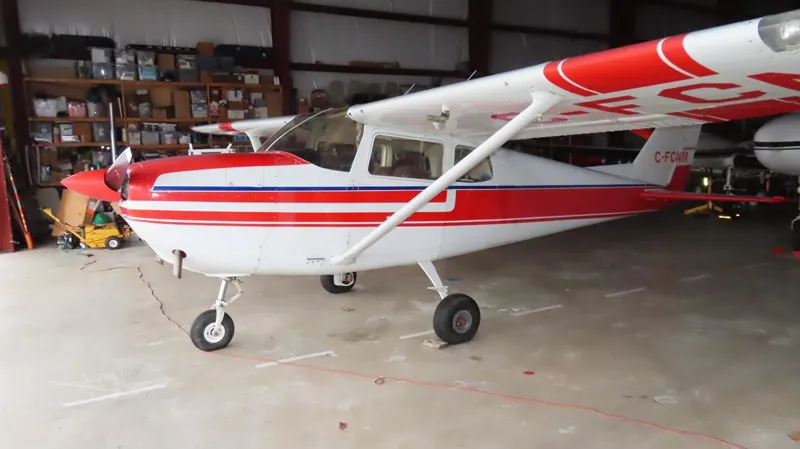
|
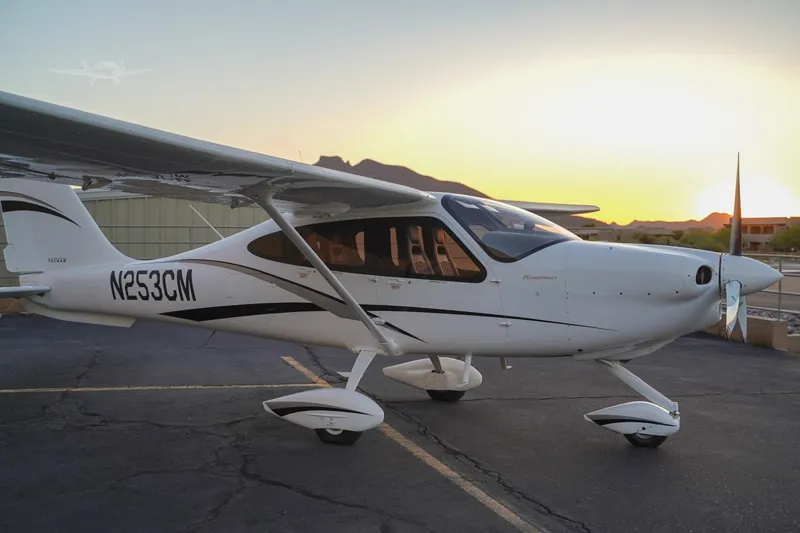
|
|
| Price Range | $56,023 – $321,435 | $299,000 – $682,080 |
| Category | Single Engine Piston | Single Engine Piston |
| Model Specifications | ||
| Seats | 4 | 4 |
| Horsepower | 145–160 HP | 180 HP |
| Cruise Speed | 118–122 kts (226 km/h) | 140 kts (259 km/h) |
| Range | 520–585 nm (1,083 km) | 720 nm (1,333 km) |
| Service Ceiling | 14,000 ft (4,267 m) | 15,000 ft (4,572 m) |
| Max Gross Weight | 2300–2,400 lbs (1,089 kg) | 2,557 lbs (1,160 kg) |
| Useful Load | 878 lbs (398 kg) | 850 lbs (386 kg) |
| Fuel Capacity | 56.0 gal (212 L) | — |
| Fuel Burn | 8.6 GPH (33 L/h) | 9.0 GPH (34 L/h) |
| TBO | 1,400 hrs | — |
| Overhaul Cost | $30,000 | — |
| Annual Fixed | $18,000 | — |
| Hourly Variable | $130 | — |
| Engines | 1 x Piston | 1 x Piston |
Cost of Ownership
EstimateCessna 172
Tecnam P2010
Which Should You Buy: Cessna 172 or Tecnam P2010?
Bottom line: Choose the Cessna 172 for the largest support/training network, easy financing/insurance and proven resale; choose the Tecnam P2010 for a newer airframe, a wider cabin, four real seats and modern glass — often with diesel economy. 172 = ubiquity/resale; P2010 = modern/cabin/economy.
Pick the 172 if…
- Budget matters — from $56,023 vs $299,000, you save ~$242,977.
- More inventory — 170 listings vs 10.
Pick the P2010 if…
- Faster cruise — 140 kts vs 118 kts.
- Longer range — 720 nm vs 518 nm.
- Newer design — production from 2014 vs 1956.
Auto-generated from current market data and published specs. Confirm with a pre-buy inspection and professional appraisal.