
Cessna 172 vs Mooney 201
The Mooney M20J (Mooney 201) and Cessna 172 Skyhawk are built on entirely different engineering philosophies, and the difference is as clear as their cruise speeds: 175 kt for the M20J, 120 kt for the 172. Both are four-seat piston singles at roughly similar price points in the used market; both can legitimately be called "good all-around aircraft." The cross-shop exists because the pilot moving beyond basic training faces a fork: the affordable, forgiving Skyhawk that does everything adequately, or the more demanding, dramatically more efficient Mooney that rewards precision flying with capabilities the 172 never approaches.
Live Market Snapshot
Current asking-price market, aggregated across multiple marketplaces · re-checked on a rolling daily cycle
- For sale now
- 421
- Median asking
- $134,231
- Range
- $61,563–$324,965
- Model years available
- 1956–2026
- For sale now
- 57
- Median asking
- $139,450
- Range
- $96,250–$234,955
- Model years available
- 1977–1998
Live data from AeroGurus, aggregated daily across the used-aircraft market. Figures are current asking prices, not appraisals — confirm with a pre-buy inspection.
Generations Breakdown
Per-generation specs — engine/weight/performance differ materially across production eras.
Per-era “For sale” counts exclude listings with unspecified year and separate variants (RG retractable, Hawk XP), so they may not sum to the total above.
Cessna 172 — 3 generations
| Generation | Years | Engine | MTOW | Cruise | Range | For sale |
|---|---|---|---|---|---|---|
| 172 Continental | 1956–1967 | O-300 | 2300 | 118 | 520 | 139 |
| 172 O-320 150hp | 1968–1976 | O-320-E2D | 2300 | 120 | 585 | 132 |
| 172 O-320 160hp | 1977–1986 | O-320-H2AD/D2J | 2400 | 122 | 585 | 104 |
Mooney 201 — 0 generations
| Generation | Years | Engine | MTOW | Cruise | Range | For sale |
|---|
Safety Record
Absolute counts scale with fleet size — the most-produced types log more events without being less safe. Compare the % fatal.
| NTSB (1982–now) | Cessna 172 | Mooney 201 |
|---|---|---|
| All events | 6810 | 1 |
| Serious | 542 | 0 |
| Fatal | 960 | 0 |
| Fatalities | 1802 | 0 |
| % Fatal | 14% | 0% |
Full Specs Comparison
| Spec / Model | Cessna 172 | Mooney 201 |
|---|---|---|
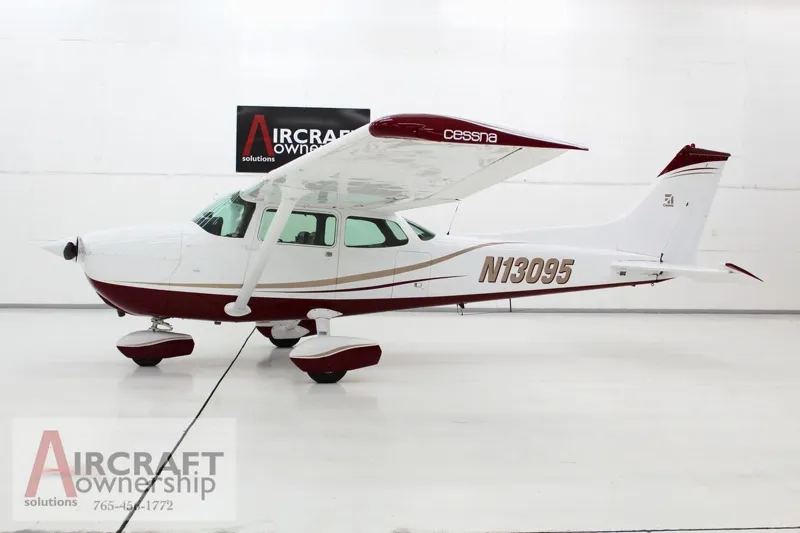
|
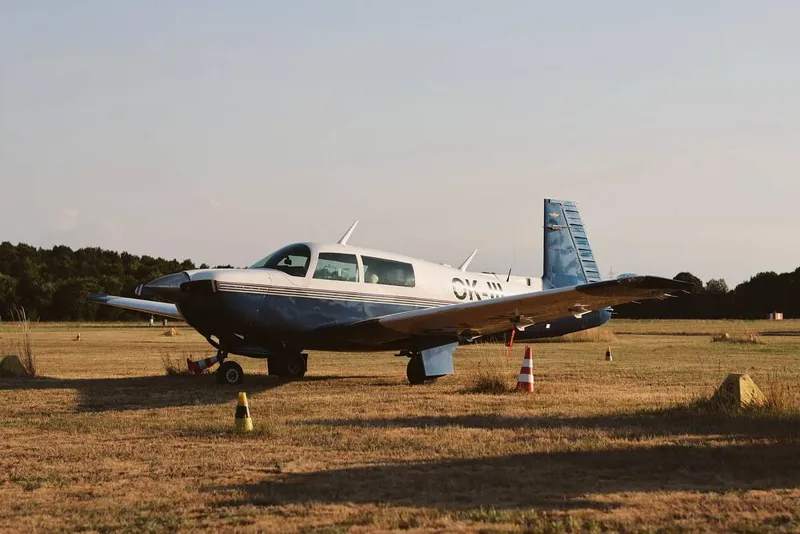
|
|
| Price Range | $61,563 – $324,965 | $96,250 – $234,955 |
| Category | Single Engine Piston | Single Engine Piston |
| Model Specifications | ||
| Seats | 4 | 4 |
| Horsepower | 145–160 HP | 200 HP |
| Cruise Speed | 118–122 kts (226 km/h) | 161 kts (298 km/h) |
| Range | 520–585 nm (1,083 km) | 820 nm (1,519 km) |
| Service Ceiling | 14,000 ft (4,267 m) | 18,800 ft (5,730 m) |
| Max Gross Weight | 2300–2,400 lbs (1,089 kg) | 2,740 lbs (1,243 kg) |
| Useful Load | 878 lbs (398 kg) | 900 lbs (408 kg) |
| Fuel Capacity | 56.0 gal (212 L) | 64.0 gal (242 L) |
| Fuel Burn | 8.6 GPH (33 L/h) | 10.0 GPH (38 L/h) |
| TBO | 1,400 hrs | 2,000 hrs |
| Overhaul Cost | $30,000 | $30,000 |
| Annual Fixed | $18,000 | $18,000 |
| Hourly Variable | $130 | $140 |
| Engines | 1 x Piston | 1 x Piston |
Cost of Ownership
EstimateCessna 172
Mooney 201
Which Should You Buy: Cessna 172 or Mooney 201?
Bottom line: Choose the 172 if you fly infrequently, use your aircraft primarily for local flying or training, or value a wide support ecosystem and forgiving handling above all else. The 172's gentle stall, stable platform, and globally available maintenance make it the right first aircraft for a pilot who isn't sure of their mission yet. Choose the M20J when cross-country efficiency is the mission — 175 kt / 10 gph is genuinely exceptional performance for a piston single at any price point, and for a pilot flying 400–600 nm legs regularly, the Mooney saves meaningful time and fuel dollars per year. Safety axis: the M20J's retractable gear introduces the gear-up landing risk entirely absent in the 172. Approximately 1–2% of complex aircraft accidents involve gear-up landings, and a Mooney pilot who flies fewer than 50 hours per year or who lacks retractable-gear currency is statistically more vulnerable to this category of accident than a 172 pilot. The Mooney also has Mooney's famous landing light position as a gear-down visual confirmation.
Pick the 172 if…
- Budget matters — from $61,563 vs $96,250, you save ~$34,687.
- Lower operating cost — ~$130/hr vs $140/hr.
- More inventory — 164 listings vs 11.
Pick the 201 if…
- Faster cruise — 161 kts vs 118 kts.
- Longer range — 820 nm vs 518 nm.
- Newer design — production from 1977 vs 1956.
Auto-generated from current market data and published specs. Confirm with a pre-buy inspection and professional appraisal.