
Cessna 120 vs Cessna 140
The Cessna 120 and Cessna 140 are the post-war two-seat taildraggers that put many pilots in the air — and the 120 vs 140 choice is stripped-down economy versus the fuller-featured version. Both are light tailwheel singles with the same basic airframe; the 140 added flaps, rear side windows and an electrical system, while the 120 was the simpler, lower-cost model. What each costs now, and how many are listed, is below.
Live Market Snapshot
Current asking-price market, aggregated across multiple marketplaces · refreshed daily
- For sale now
- 4
- Source marketplaces
- 2
- Model years available
- 1946–1948
- For sale now
- 13
- Median asking
- $39,000
- Range
- $24,200–$57,500
- Listed on 2+ marketplaces
- 2
- Source marketplaces
- 4
- Model years available
- 1946–1966
Live data from AeroGurus, aggregated daily across the used-aircraft market. Figures are current asking prices, not appraisals — confirm with a pre-buy inspection.
Safety Record
Absolute counts scale with fleet size — the most-produced types log more events without being less safe. Compare the % fatal.
| NTSB (1982–now) | Cessna 120 | Cessna 140 |
|---|---|---|
| All events | 163 | 460 |
| Serious | 15 | 32 |
| Fatal | 12 | 35 |
| Fatalities | 19 | 51 |
| % Fatal | 7% | 8% |
Full Specs Comparison
| Spec / Model | Cessna 120 | Cessna 140 |
|---|---|---|
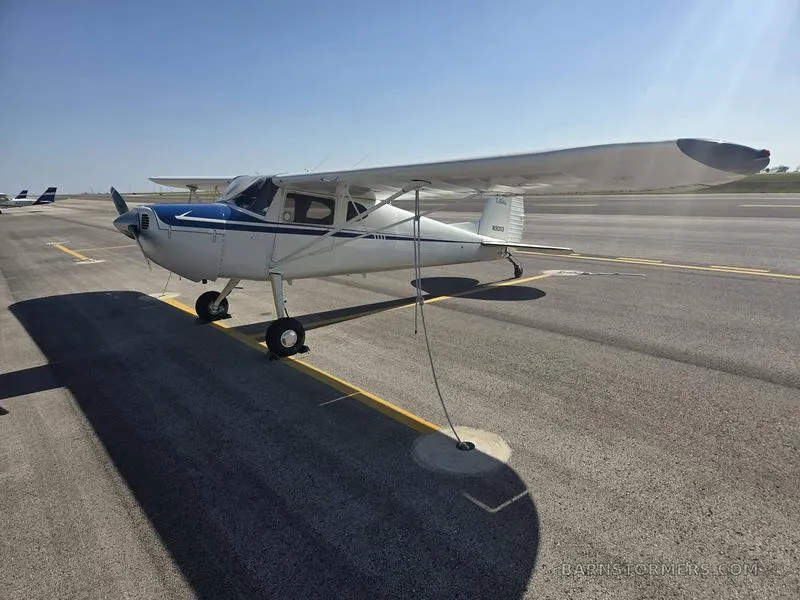
|
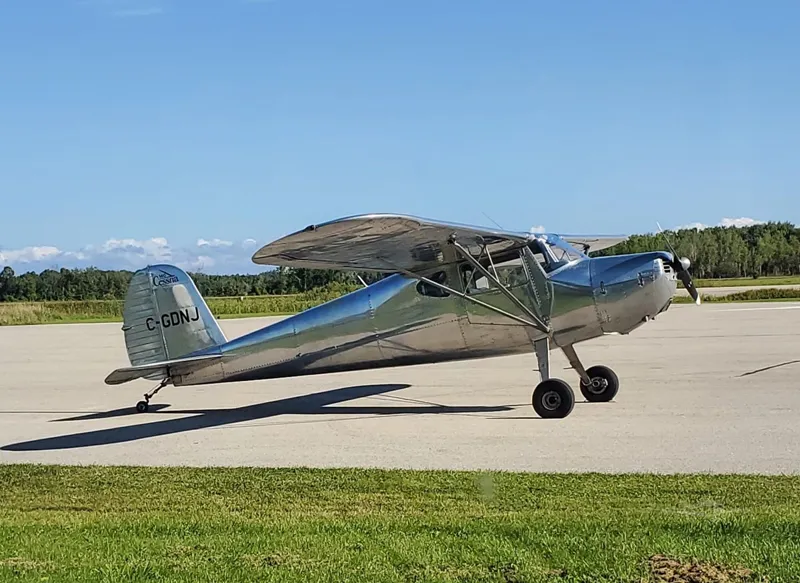
|
|
| Price Range | $20,900 – $43,053 | $24,200 – $57,500 |
| Category | Single Engine Piston | Single Engine Piston |
| Model Specifications | ||
| Seats | 2 | 2 |
| Horsepower | 85 HP | 85 HP |
| Cruise Speed | 90 kts (167 km/h) | 90 kts (167 km/h) |
| Range | 400 nm (741 km) | 420 nm (778 km) |
| Service Ceiling | 15,000 ft (4,572 m) | 15,500 ft (4,724 m) |
| Max Gross Weight | 1,450 lbs (658 kg) | 1,450 lbs (658 kg) |
| Useful Load | 500 lbs (227 kg) | 500 lbs (227 kg) |
| Fuel Capacity | 25.0 gal (95 L) | 25.0 gal (95 L) |
| Fuel Burn | 5.0 GPH (19 L/h) | 5.0 GPH (19 L/h) |
| TBO | 1,800 hrs | 1,800 hrs |
| Overhaul Cost | $18,000 | $18,000 |
| Annual Fixed | $10,000 | $10,000 |
| Hourly Variable | $80 | $80 |
| Engines | 1 x Piston | 1 x Piston |
Cost of Ownership
EstimateCessna 120
Cessna 140
Which Should You Buy: Cessna 120 or Cessna 140?
Bottom line: Choose the 120 for the most affordable way into a classic taildragger — simple, light and cheap to own, perfect for sport flying and building tailwheel time. Choose the 140 for the more complete airplane — flaps, an electrical system and rear windows make it a bit more practical and comfortable, usually at a modest premium. On safety both are honest, forgiving taildraggers that reward tailwheel proficiency and currency; the differences are features and comfort, not safety. The 120 is the economy classic; the 140 is the better-equipped version.
Pick the 120 if…
- Budget matters — from $20,900 vs $24,200, you save ~$3,300.
Pick the 140 if…
- Longer range — 420 nm vs 400 nm.
- More inventory — 12 listings vs 5.
Auto-generated from current market data and published specs. Confirm with a pre-buy inspection and professional appraisal.