
Bell 206 JetRanger vs Bell 427
The Bell 206 JetRanger and Bell 427 are both commercial turbine helicopters from Fort Worth — but the 427, introduced in 1999, represents Bell's answer to a question the JetRanger couldn't: what does a modern, IFR-capable, seven-seat twin-turbine light helicopter look like? The JetRanger is the helicopter the industry knows — legacy, single-turbine, time-tested. The 427 is the more capable successor that Bell developed for operators who had outgrown the JetRanger's single-engine limits and needed twin redundancy in a light helicopter package. The comparison is generational and conceptual: the classic single vs. the modern twin.
Live Market Snapshot
Current asking-price market, aggregated across multiple marketplaces · refreshed daily
- For sale now
- 78
- Median asking
- $453,960
- Range
- $301,200–$695,200
- Model years available
- 1966–2009
- For sale now
- 8
- Model years available
- 2000–2009
Live data from AeroGurus, aggregated daily across the used-aircraft market. Figures are current asking prices, not appraisals — confirm with a pre-buy inspection.
Safety Record
Absolute counts scale with fleet size — the most-produced types log more events without being less safe. Compare the % fatal.
| NTSB (1982–now) | Bell 206 JetRanger | Bell 427 |
|---|---|---|
| All events | — | 1 |
| Serious | — | 0 |
| Fatal | — | 0 |
| Fatalities | — | 0 |
| % Fatal | — | 0% |
Full Specs Comparison
| Spec / Model | Bell 206 JetRanger | Bell 427 |
|---|---|---|
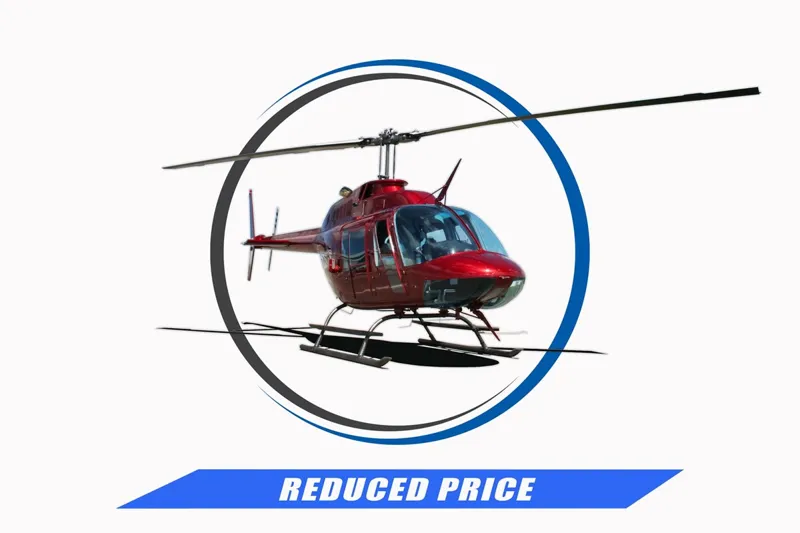
|
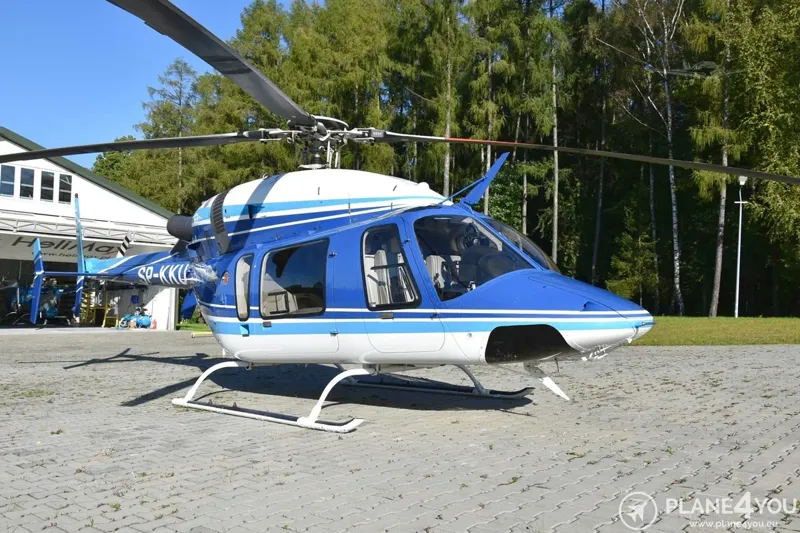
|
|
| Price Range | $301,200 – $695,200 | $926,300 – $2,675,000 |
| Category | Single Turbine Helicopter | Twin Turbine Helicopter |
| Model Specifications | ||
| Seats | 5 | 8 |
| Horsepower | — | 710 HP |
| Cruise Speed | 120 kts (222 km/h) | 138 kts (256 km/h) |
| Range | 337 nm (624 km) | 394 nm (730 km) |
| Service Ceiling | 20,000 ft (6,096 m) | 20,000 ft (6,096 m) |
| Max Gross Weight | 3,200 lbs (1,452 kg) | — |
| Useful Load | 1,492 lbs (677 kg) | 2,200 lbs (998 kg) |
| Fuel Burn | 30.0 GPH (114 L/h) | 55.0 GPH (208 L/h) |
| TBO | — | 3,500 hrs |
| Overhaul Cost | — | $400,000 |
| Annual Fixed | — | $150,000 |
| Hourly Variable | — | $700 |
| Engines | 1 x Turboshaft | 2 x Turboshaft |
Cost of Ownership
EstimateBell 206 JetRanger
Bell 427
Which Should You Buy: Bell 206 JetRanger or Bell 427?
Bottom line: Choose the Bell 206 JetRanger for established reliability, single-turbine economics, and the largest aftermarket support base of any civilian turbine helicopter in history. For operations that don't require twin-engine certification and don't fly passengers over water, the JetRanger's economics are genuinely hard to beat. Choose the Bell 427 for IFR operations, over-water routes, seven-seat capacity, and the twin-engine safety that modern commercial operators and insurers increasingly specify. The 427's dual Pratt & Whitney Canada PW207D1 engines and Cat A performance enable operations the JetRanger structurally cannot support. Safety axis: the 427's twin-engine configuration enables Category A operations — meaning the helicopter can suffer a single-engine failure at any point in flight and still complete the takeoff, climb, and reach a safe landing site without loss of control. The JetRanger, as a single-engine helicopter, cannot provide this guarantee. For commercial operations where passengers pay for transport, particularly over water or in terrain where emergency landing sites are limited, the 427's Cat A certification is a material safety distinction.
Pick the 206 JetRanger if…
- Budget matters — from $301,200 vs $926,300, you save ~$625,100.
- More inventory — 85 listings vs 8.
Pick the 427 if…
- More seats — 8 vs 5.
- Faster cruise — 138 kts vs 120 kts.
- Longer range — 394 nm vs 337 nm.
Auto-generated from current market data and published specs. Confirm with a pre-buy inspection and professional appraisal.