
Beechcraft King Air 200 vs Beechcraft King Air 250
The King Air 200 and the King Air 250 are not two different aircraft — they are the same aircraft at different points in Beechcraft's model naming history. The King Air 200 (introduced in the early 1970s and produced in progressive variants through the B200 series) became one of the most widely operated turboprops in the world: PT6A-powered, pressurized, eight-to-nine seat capacity, and a production run that made it the default choice across corporate flight departments, regional operators, and fractional programs worldwide. In 2009, Textron Beechcraft rebranded the current production B200 as the King Air 250 as part of a lineup refresh — bringing the PT6A-52 engine variant and contemporary avionics options including the Garmin G1000, while retaining the same airframe, pressurized cabin, and basic systems that operators had flown since the 1970s. For buyers evaluating the used market, this history matters: a 2010 King Air 250 and a 2008 B200 are effectively the same aircraft, differing primarily in age and whatever STC upgrades each has accumulated.
Live Market Snapshot
Current asking-price market, aggregated across multiple marketplaces · refreshed daily
- For sale now
- 95
- Median asking
- $1,495,000
- Range
- $253,500–$3,170,000
- Model years available
- 1971–2013
- For sale now
- 20
- Model years available
- 2011–2020
Live data from AeroGurus, aggregated daily across the used-aircraft market. Figures are current asking prices, not appraisals — confirm with a pre-buy inspection.
Full Specs Comparison
| Spec / Model | Beechcraft King Air 200 | Beechcraft King Air 250 |
|---|---|---|
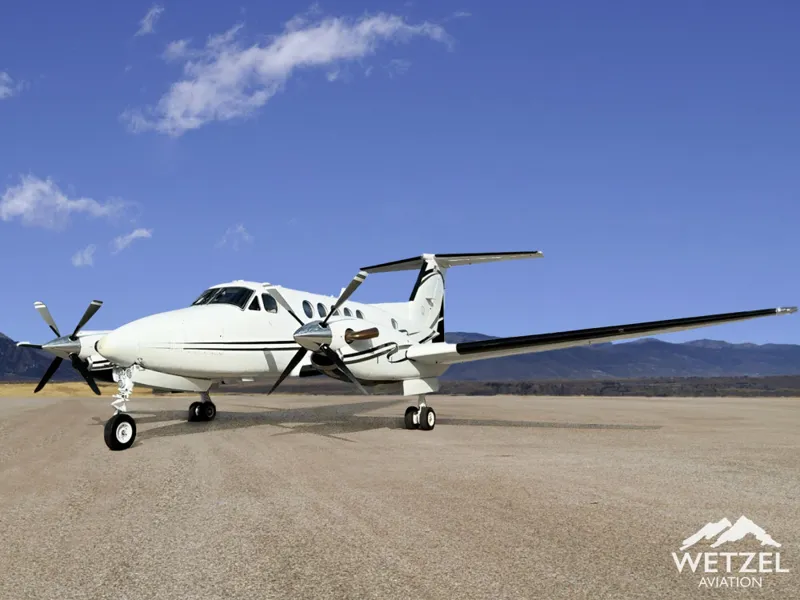
|
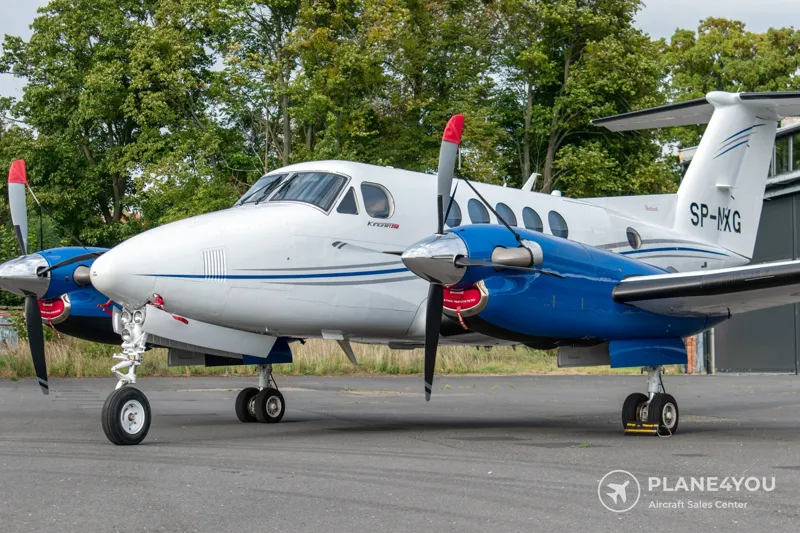
|
|
| Price Range | $253,500 – $3,170,000 | $3,853,800 – $4,840,200 |
| Category | Multi Engine Turboprop | Multi Engine Turboprop |
| Model Specifications | ||
| Seats | 9 | 10 |
| Horsepower | 850 HP | 850 HP |
| Cruise Speed | 272 kts (504 km/h) | 310 kts (574 km/h) |
| Range | 1,580 nm (2,926 km) | 1,720 nm (3,185 km) |
| Service Ceiling | 35,000 ft (10,668 m) | 35,000 ft (10,668 m) |
| Max Gross Weight | 12,500 lbs (5,670 kg) | 12,500 lbs (5,670 kg) |
| Useful Load | 4,045 lbs (1,835 kg) | 3,300 lbs (1,497 kg) |
| Fuel Capacity | 544.0 gal (2059 L) | — |
| Fuel Burn | 80.0 GPH (303 L/h) | 105.0 GPH (397 L/h) |
| TBO | 3,600 hrs | 3,600 hrs |
| Overhaul Cost | $380,000 | $400,000 |
| Annual Fixed | $180,000 | $200,000 |
| Hourly Variable | $950 | $1,100 |
| Engines | 2 x Turboprop | 2 x Turboprop |
Cost of Ownership
EstimateBeechcraft King Air 200
Beechcraft King Air 250
Which Should You Buy: Beechcraft King Air 200 or Beechcraft King Air 250?
Bottom line: Choose a King Air B200 (pre-2009 designation) for the mature used platform with proven systems, an enormous available fleet, and appraisal data going back decades. B200s are among the most common turboprops in the world — deep MRO support, strong parts availability, and the track record that makes pre-purchase valuation straightforward. Choose a King Air 250 (2009+) when buying newer production or seeking the standardized PT6A-52 engines and modern avionics packages that 250-designated aircraft typically carried at delivery. Safety axis: the King Air 200/250 family has an exceptional safety record built on the PT6A's reliability and the type's comprehensive training infrastructure. The meaningful operational safety variable for any King Air 200/250 buyer is icing certification — FIKI (Flight Into Known Icing) is available on B200 and King Air 250 variants and meaningfully expands the operational envelope in winter IFR. Confirm FIKI installation status on any specific aircraft before purchase if winter operations are central to the mission.
Pick the King Air 200 if…
- Budget matters — from $253,500 vs $3,853,800, you save ~$3,600,300.
- Lower operating cost — ~$950/hr vs $1100/hr.
- More inventory — 39 listings vs 21.
Pick the King Air 250 if…
- More seats — 10 vs 9.
- Faster cruise — 310 kts vs 272 kts.
- Longer range — 1720 nm vs 1580 nm.
- Newer design — production from 2011 vs 1974.
Auto-generated from current market data and published specs. Confirm with a pre-buy inspection and professional appraisal.